From “bro brooches” to necklaces and earrings, male jewellery is one of this season's hottest trends. We find out more
Words: Luciana Bellini
If you happened to spot the male celebrities' outfits on the red carpet during awards season this year, you may have noticed something unusual. The customary slick tuxes and smartly tailored suits were there, but something new had been added to them: a touch of bling.
This year, male A-listers have embraced jewellery in a big way, with one of the main talking points at the 2026 Academy Awards centred around the brooches worn by some of the biggest actors on the night. Leonardo DiCaprio sported a vintage Boucheron bumble bee pin from 1964; Adrien Brody donned an enormous brooch by Elsa Jin featuring a 20-carat sapphire and 1,279 diamonds; and Michael B Jordan, who won best actor, wore three custom David Yurman brooches to the Vanity Fair after party.
It's not only “bro brooches” that are on the rise and it's not only celebrities embracing the trend – men's jewellery is having a moment right now. “I have seen a huge surge in women's jewellery brands entering the male jewellery sphere,” says Ailsa Miller, a former Condé Nast fashion editor, stylist and founder of Disco, a content creation agency for the luxury sector. “It has the potential to be incredibly lucrative – it's another 50 per cent of the population that were previously considered ‘outside the market, so it benefits any jewellery retailer to consider this customer base now.
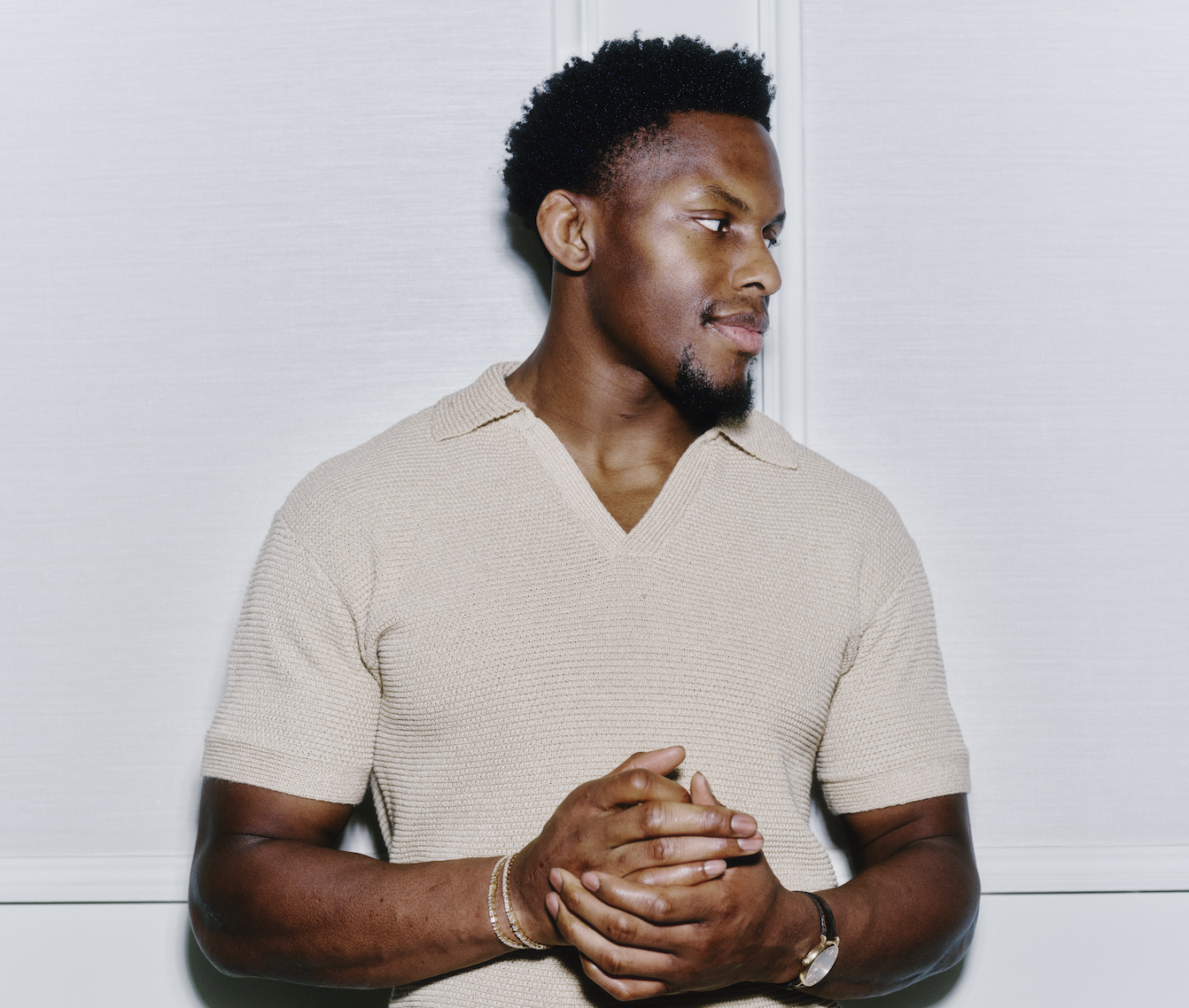
MARO ITOJE, ASTREA LONDON
“It stems from a combination of streetwear culture and the fact that so many celebrity stylists are taking bigger risks with men's styling, pushing the boundaries and looking for elements of interest. In today's world, male celebrities will see a big return on making the best-dressed lists on the red carpet The more interesting and unexpected their look, the hotter the commodity they are.”
Jewellery brands confirm they have seen a major increase in demand in recent months. Nathalie Morrison, chief executive and founder of lab-grown diamond jewellery brand Astrea London, which released its debut men's collection in January, says: “We have noticed a big shift in male consumers. We're currently up 10 per cent and male consumers are projected to reach 15 per cent of our total sales by the end of 2026”
The company has also welcomed Maro Itoje, the England rugby captain and British and Irish Lions captain, as its first male ambassador. Known for wearing a signature single pearl earring, which has become something of an off-field trademark for him, Itoje has been celebrated for ushering in a new era of modern masculinity and helping to reshape the conversation around men's jewellery.
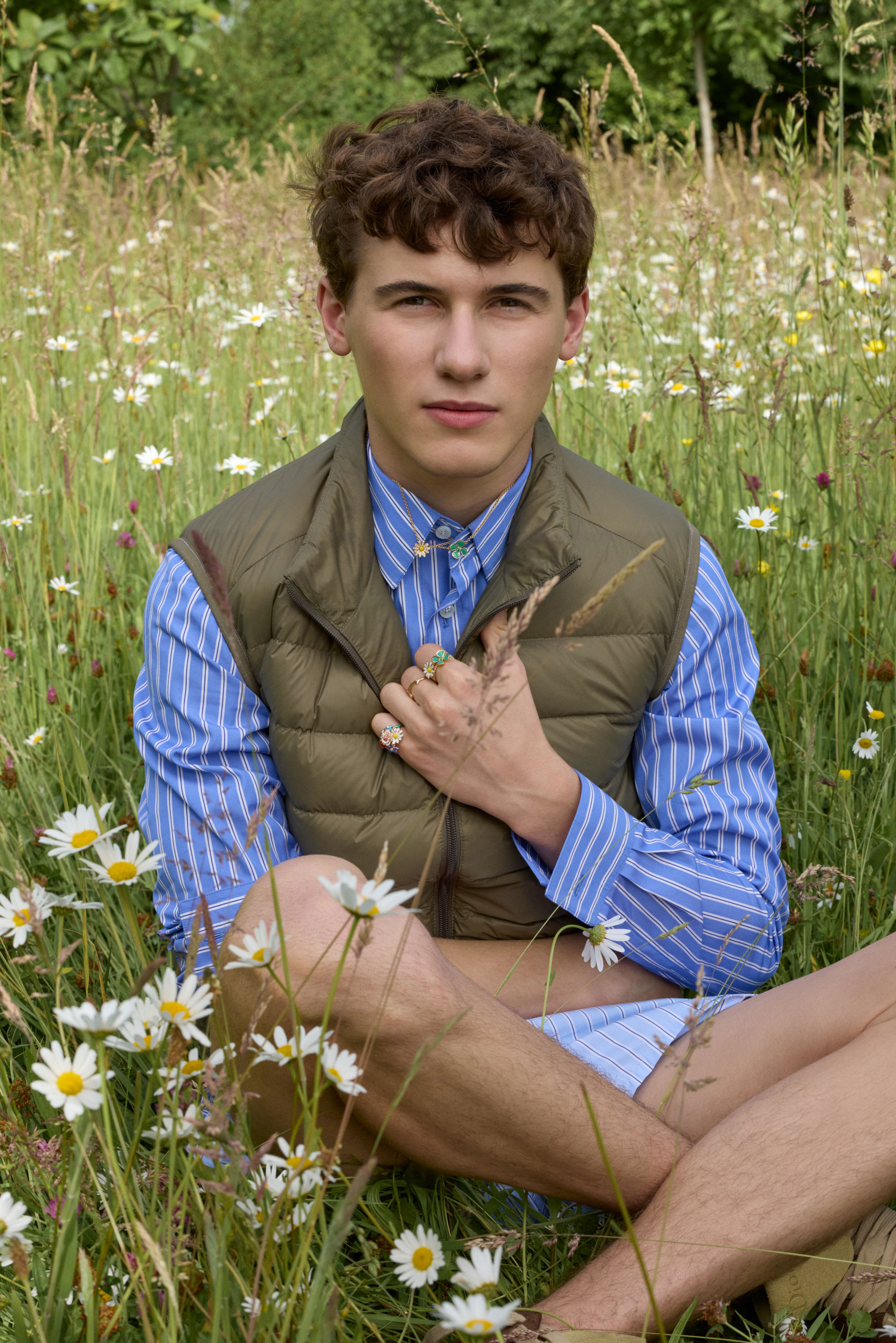
SAM NIVOLA, DIORETTE IMAGE: BUCK ELLISON
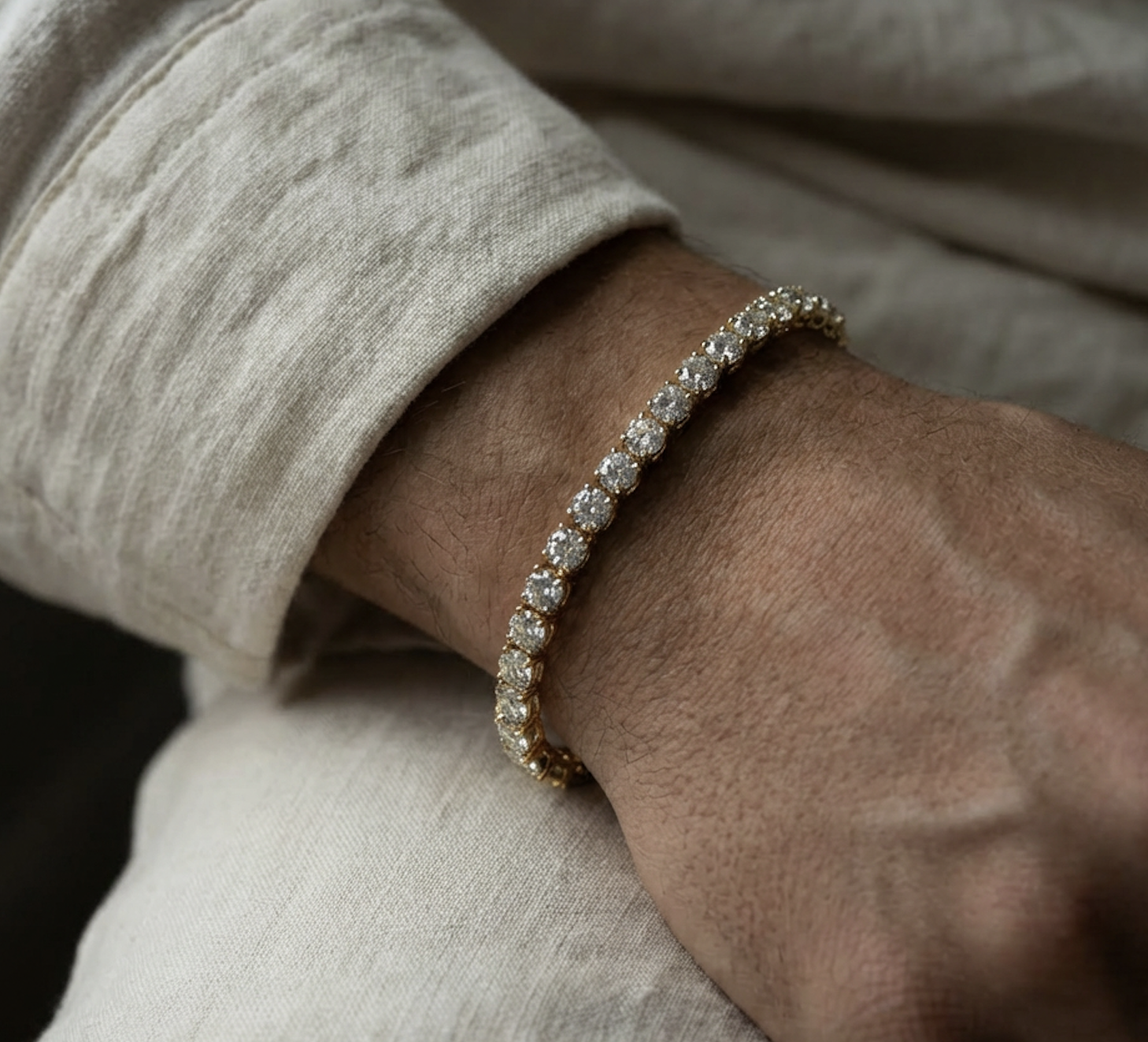
“If you look back 30 or 40 years, the only jewellery you'd really see a man wearing would be a watch or cufflinks,” he says. “That was about it. Now we're moving into a society where there's more freedom to express ourselves through clothes and jewellery. We are no longer constrained to old social norms.” Morrison says she has seen this mirrored in the bestsellers from the men's collection. “This has been reflected in the choices our male consumers make, which tend to be Maro's favourite pieces too, [such as] our yellow-gold tennis bracelet and our pear-cut drop earrings, which can feature customised initials.” Another brand that has seen a distinct shift towards more expressive forms of male jewellery is Deakin & Francis (19-21 Piccadilly Arcade).
Founded in 1786, it is England's oldest manufacturing jewellers. “As a heritage men's jewellery brand, we have seen a continued rise in demand for men's jewellery throughout 2026, says Henry Deakin, the seventh-generation owner of the company. “Men are increasingly confident using jewellery as a form of self-expression, while still placing real value on craftsmanship, heritage and timeless design.
“Men are curating jewellery collections in much the same way as they invest in watches or tailoring, balancing classic staples with more expressive pieces. There is also a growing appreciation for individuality, particularly among younger customers who are keen to develop a distinct sense of style.” The company's latest launch – the Resilience ring – taps into that movement.
Created in partnership with Parkinson's UK to support the charity's Parkinson's Rose campaign, the handcrafted signet ring features intricate hand-painted vitreous enamel depicting a pink rose, symbolising strength and resilience for those living with Parkinson's. It's a piece particularly close to Deakin's heart because his father lives with the condition.
ASTREA LONDON
The ring has a softer look than many of the company's more traditional designs, something Deakin confirms his customers are now seeking. “While classic masculine styles remain timeless, men are now much more open to softer, more expressive jewellery than ever before,' ,” he says. “We're seeing a greater willingness to experiment with colour, texture and intricate detailing.
Customers are embracing pieces that feel fashion-led and personal, while still maintaining a sense of sophistication.” Two of the biggest men's jewellery collections to look out for this season are Tiffany & Co's Blue Book 2026: Hidden Garden and Dior's Diorette. The former features updates on Tiffany's iconic Bird on a Rock brooches, which have been spotted on everyone from Robert Downey Jr to Channing Tatum this year.
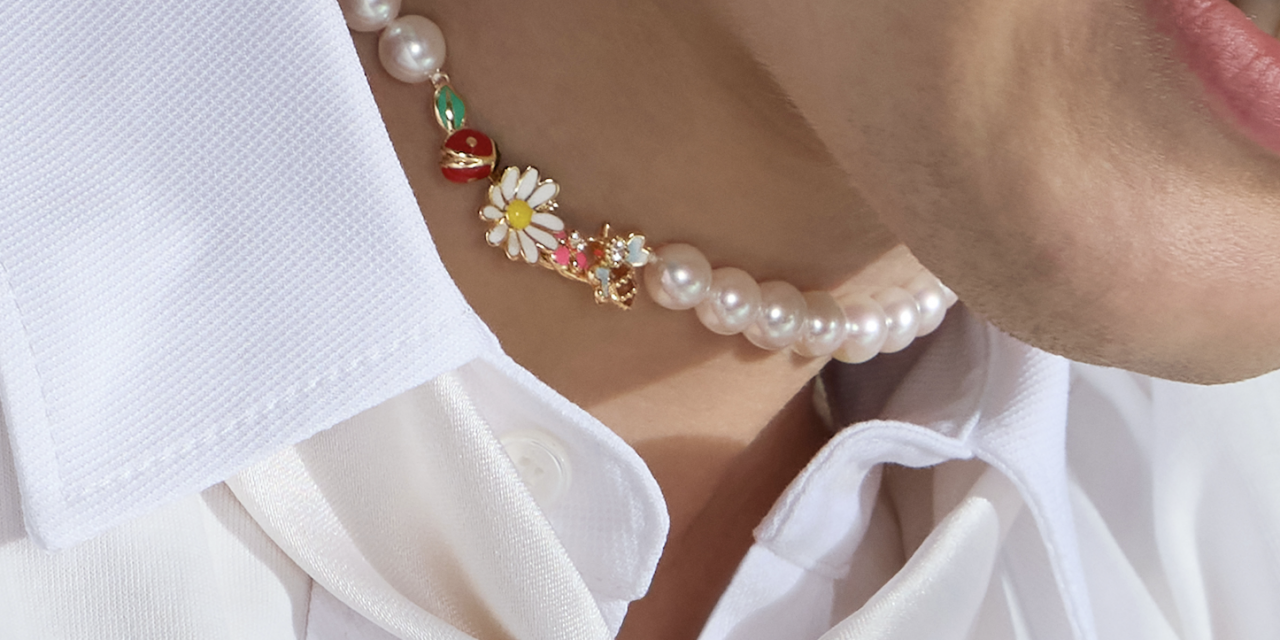
Meanwhile, Dior's collection is aimed at men and women and was revealed at Jonathan Anderson's spring/summer 2026 menswear show. The British-American actor and White Lotus star Sam Nivola is the face of the campaign, for which he has been photographed wearing delicate pearl and diamond necklaces and floral lacquer rings.
As for how modern men should wear their jewellery in 2026, it's all about layering. “T'd look to layer a few interesting pendants of different lengths, one or two metal and one with some stones,” says Miller, who has dressed the likes of Theo James and Douglas Booth. “If a brooch, I'd use it the way women are wearing them unexpectedly now – as a closure for a double-breasted blazer. Men have traditionally only had colour, print and silhouette to play with, but now the opportunities feel endless. Adornment is never, ever a bad thing.”