From Wallis Simpson to Gordon Selfridge and Winston Churchill’s mother Jennie Jerome, we look at some of the Americans who have made a mark on Mayfair
Words: Andy Williamson
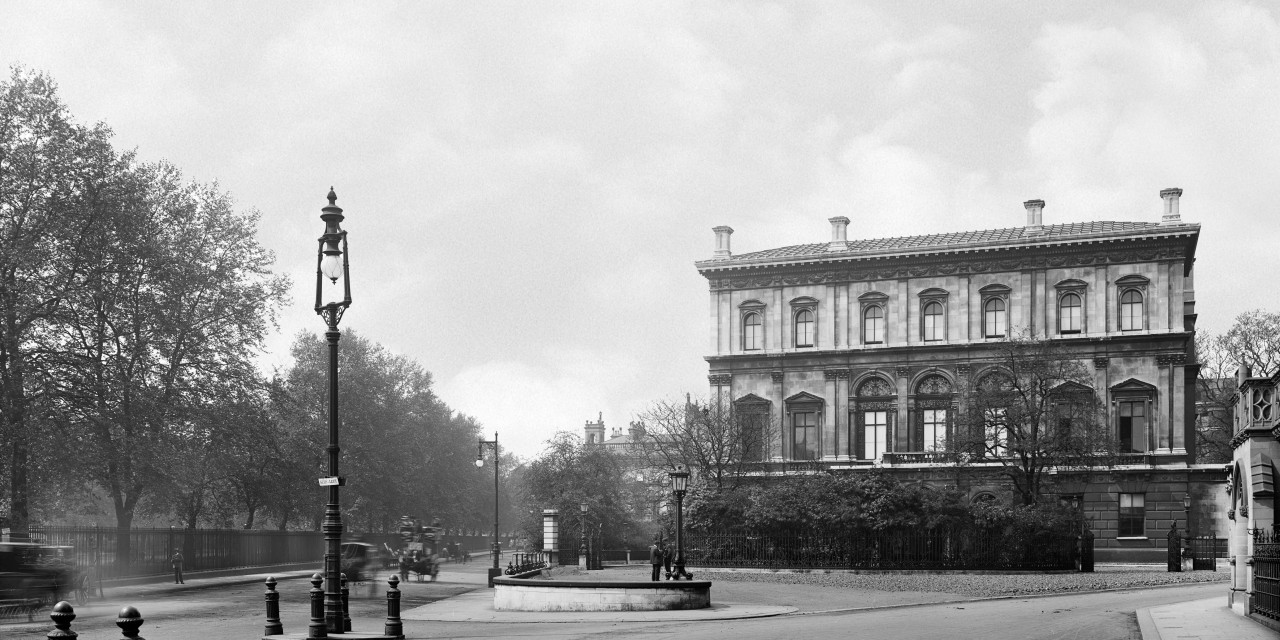
The stars and stripes fluttered gently in the breeze over Dorchester House, one of the grandest mansions in Mayfair, as a long line of carriages queued along Park Lane to enter the courtyard. It was the afternoon of July 4, 1906, and Whitelaw Reid, the American ambassador, was hosting his annual Independence Day party.
The event was open to all respectable residents and visiting Americans in London. More than 3,000 compatriots eventually passed through the marble hall, ascended its grand staircase and shook hands with the ambassador and his wife. Outside, a flower-decked marquee had been erected on the lawn, bands played, refreshments flowed and distinguished guests mingled beneath the summer sky.
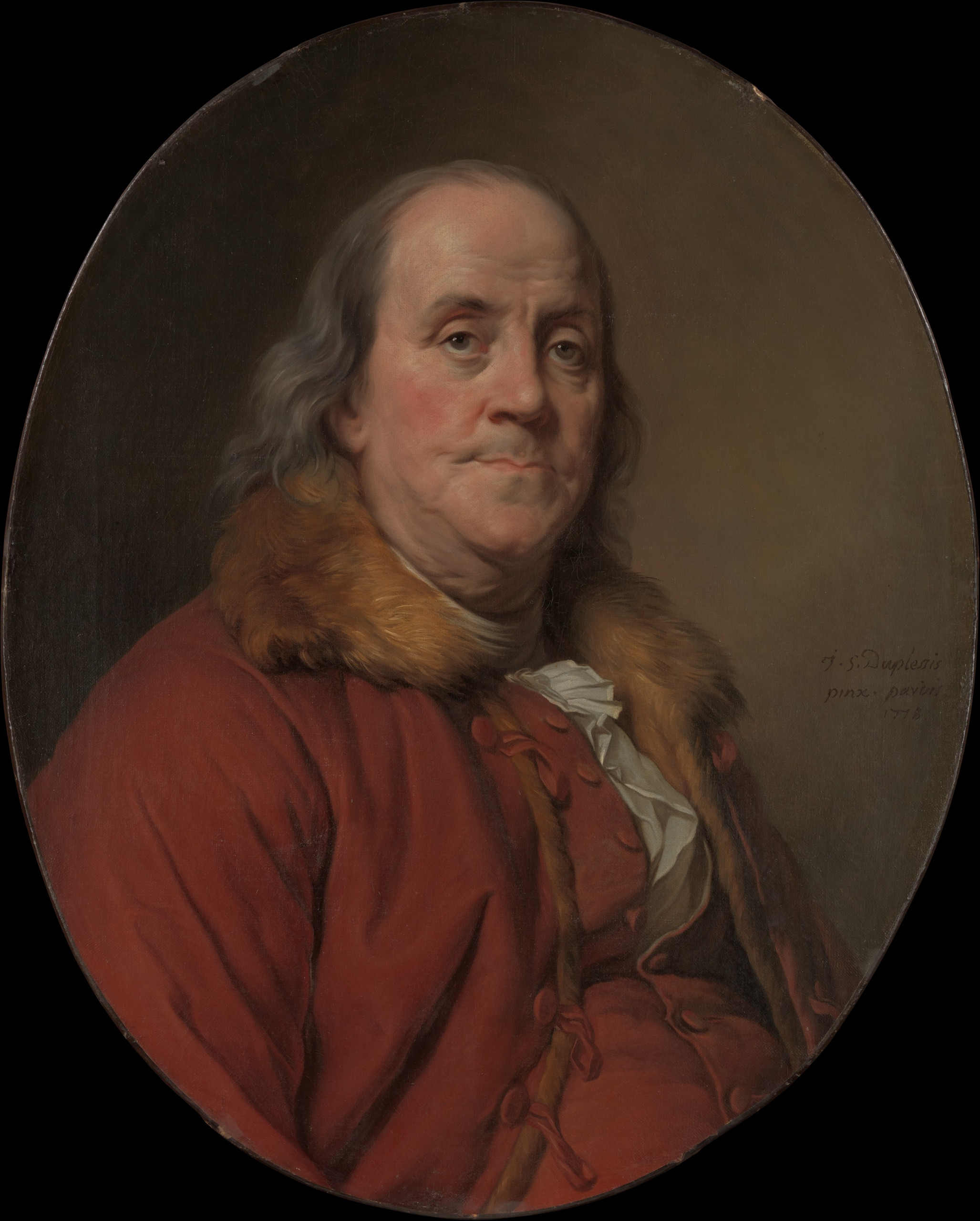
Healing the rift between Britain and its former colonies brought about by the American Revolutionary War began in Mayfair. Benjamin Franklin met the prime minister, William Petty, 2nd Earl of Shelburne, at his mansion to draft the terms of the peace between the two countries. Their mutual respect and existing friendship led to the signing of the Treaty of Paris in 1783, acknowledging America's independence. This mansion – more on it later – is now The Lansdowne Club.
By 1906 Americans had a firm foothold in London, focused around Mayfair and St James's. Some came to play, some to live, some to marry into British society. The last group were well represented at the ambassador's party. There was Consuelo Vanderbilt, Duchess of Marlborough, whose father was one of the richest men in America. William Kissam Vanderbilt used his railway fortune to build Sunderland House on Curzon Street, now owned by Qatari royalty, as a grand London residence for Consuelo and her husband, Charles Spencer-Churchill, 9th Duke of Marlborough. It temporarily became the headquarters of the League of Nations after the First World War.
Also mingling on the ambassador's lawn was Consuelo Montagu, Duchess of Manchester. She was a close friend of Edward VII and leased 5 Grosvenor Square. Then there was Adele Capell, Countess of Essex, whose London home was 72 Brook Street. Her recent conversion to vegetarianism, and her practice of exercising by lifting pumpkins, was discussed when she was out of earshot.
Also in attendance that day was Alice Roosevelt Longworth, daughter of President Theodore Roosevelt, who had recently married a congressman. Four years later her father was the guest of Reid when he came to London to represent the United States at Edward VIl's funeral. Theodore Roosevelt knew Mayfair well. He lived at Brown's Hotel for several weeks before his wedding to Edith Carow in December 1886 at St George's Church, Hanover Square. He is one of only two presidents to marry overseas – the other is John Quincy Adams, who also married in London.
Between 1905 and his death in 1912, Reid rented this vast Park Lane mansion, now the site of The Dorchester hotel, from Sir George Holford for the enormous sum of 4,500 guineas a year – worth over £4 million today. This dwarfed his official pay from the American government of $17,500. His personal fortune took care of the shortfall and the building, both embassy and residence, became renowned for entertaining. Mark Twain attended the Independence Day celebrations in 1907 and was later guest of honour at a private dinner, with Bram Stoker and Arthur Conan Doyle also in attendance. The following year the Reids' daughter married in the Chapel Royal at St James's Palace and King Edward VII and Queen Alexandra attended the reception afterwards at Dorchester House.
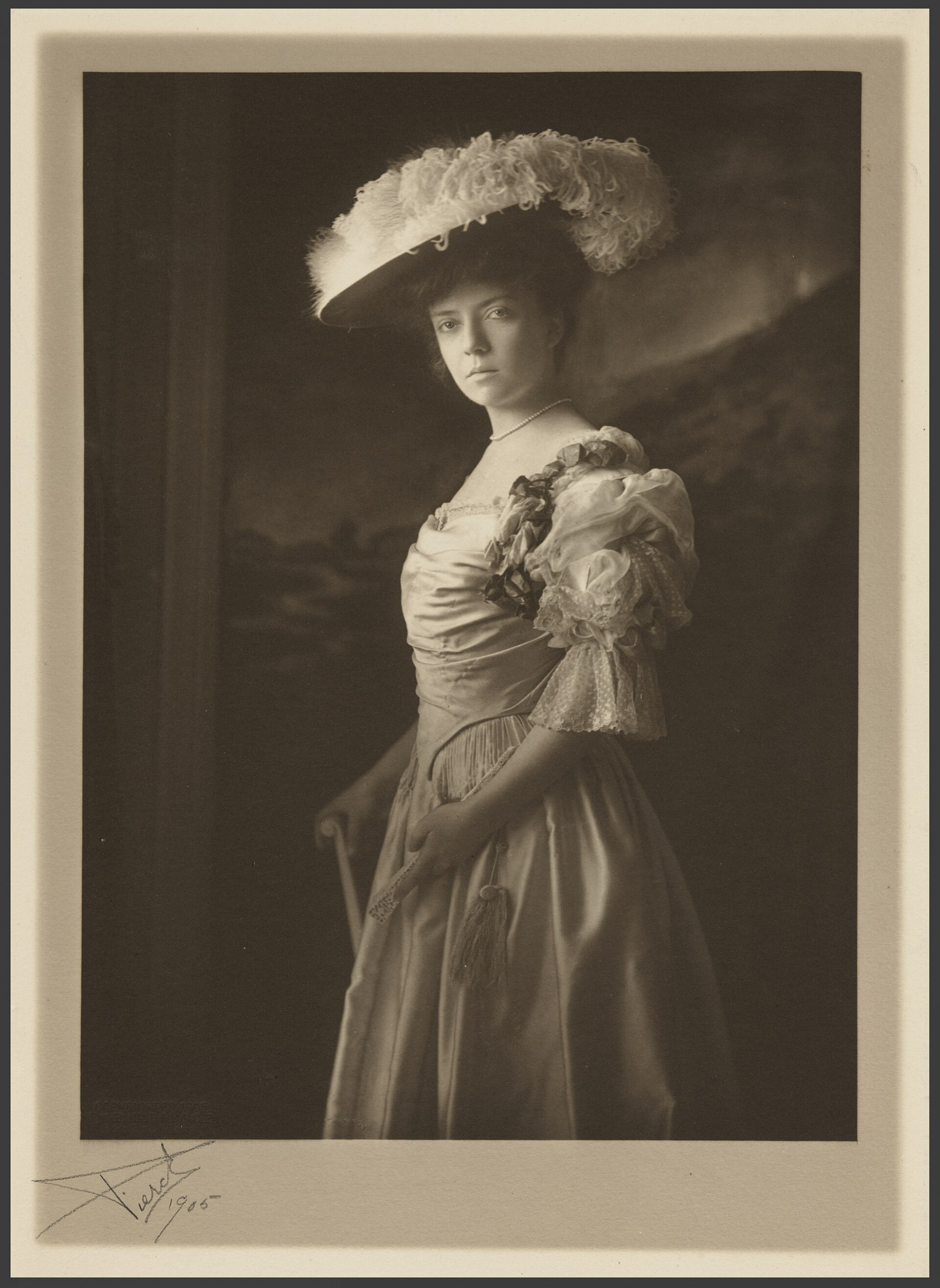
Above: ALICE ROOSEVELT LONGWORTH
Despite Reid's self-assurance, it had taken time for the new republic to find its diplomatic feet. The first ambassador was John Adams, who arrived in 1785 and set up shop at 9 Grosvenor Square. He went on to become the country's second president. At that time there were only 16 states. Texas was governed by Spain and, when it became independent in 1836, it established its embassy above Berry Bros & Rudd wine merchants in St James's. It remained there until Texas joined the United States in 1845.
By 1938 the American embassy had moved to 1 Grosvenor Square, before shifting across the square in 1960 to its first purpose-built home, now The Chancery Rosewood. It was visited by President John Kennedy the following year.
The square is now overrun with US presidents who show no sign of leaving. There are statues of Dwight Eisenhower, who had his headquarters at No 20 during the Second World War, Ronald Reagan and Franklin D Roosevelt. The latter, raised by public subscription in 1948, is one of only two in the world to show the president, who was unable to walk due to polio, standing. He is seen in his more familiar guise on a bench alongside Winston Churchill on New Bond Street.
Churchill's mother, the society figure Jennie Jerome, arrived in London in 1870, joining a long list of Americans who have stayed at Brown's Hotel. After marrying Lord Randolph Churchill, the family set up home at 48 Berkeley Square before moving in 1880 to 29 St James's Place.
Even more dramatic consequences flowed from another American beauty. Thelma, Viscountess Furness, was mistress to Edward, Prince of Wales, in the early 1930s. Her Mayfair home, Farm House, frequently welcomed both the prince and her friend Wallis Simpson.
In 1934, before returning to America to support her sister, Thelma famously asked Wallis to “look after the prince” in her absence. The American divorcee performed the task rather too diligently. The resulting romance between the pair led to the abdication crisis and changed the course of the British monarchy.
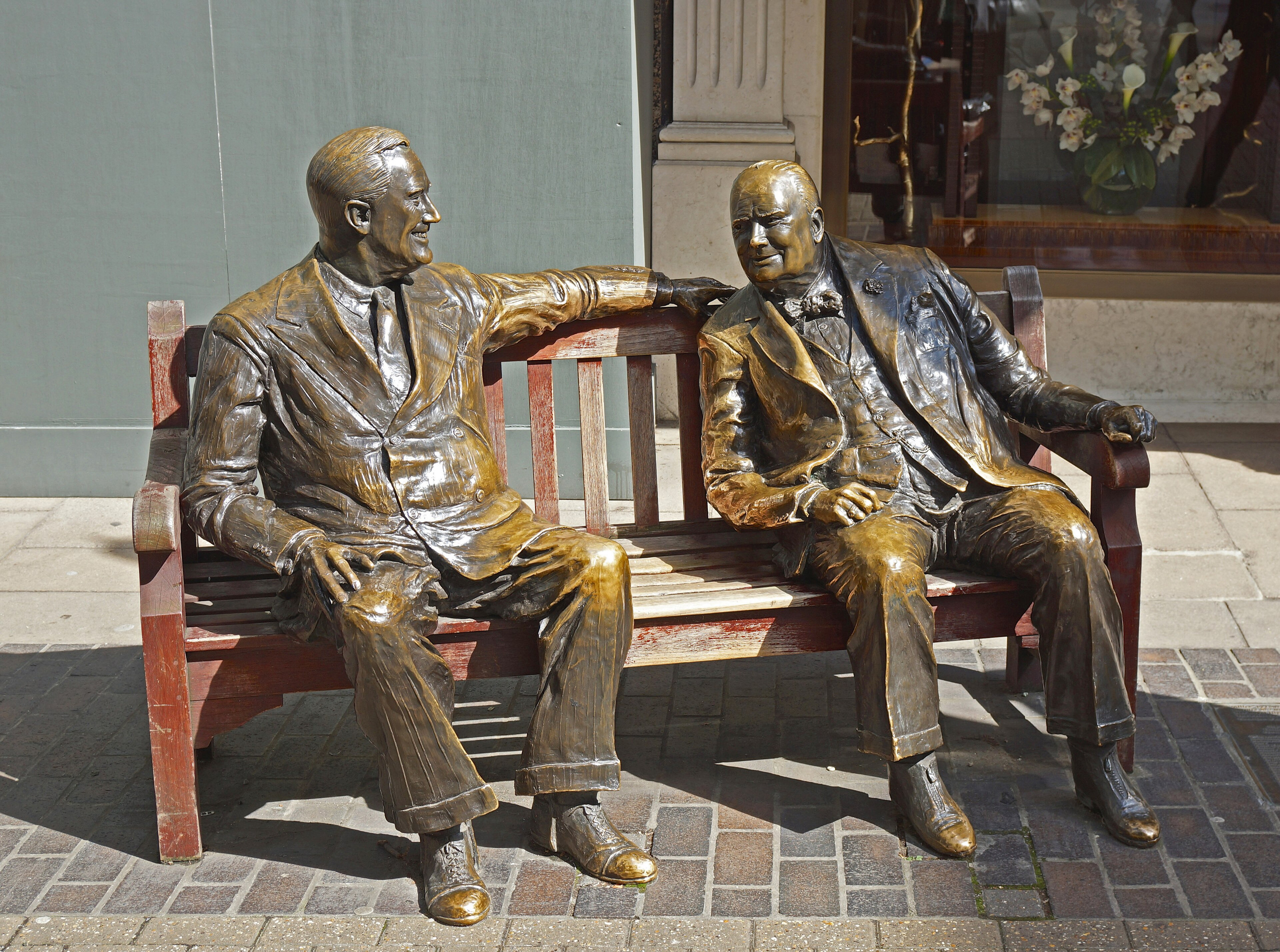
IMAGES: WIKIMEDIA
Back to Lansdowne House, now the home of the club of that name. At the end of the 19th century the cost of its upkeep prompted its aristocratic owners to rent it out. William Waldorf Astor took it for two years from 1891 and then in 1921 it became the home of retail giant Gordon Selfridge. At that time his flagship Oxford Street store was revolutionising the shopping habits of the nation and he was seemingly minting money. Bad cards at the casino, the Dolly sisters and Pol Roger meant he died in 1947 in near poverty. But that's another story.
As the US celebrates its 250th anniversary this month, its own “colony” in the Mayfair area continues to flourish. From John Adams to Eisenhower, from Mark Twain to Selfridge, Americans have repeatedly chosen this corner of the capital as their home away from home.
For more stories about Americans in Mayfair, Brown's Hotel London: A History of Rulers, Writers & Rascals, by Andy Williamson, is out now