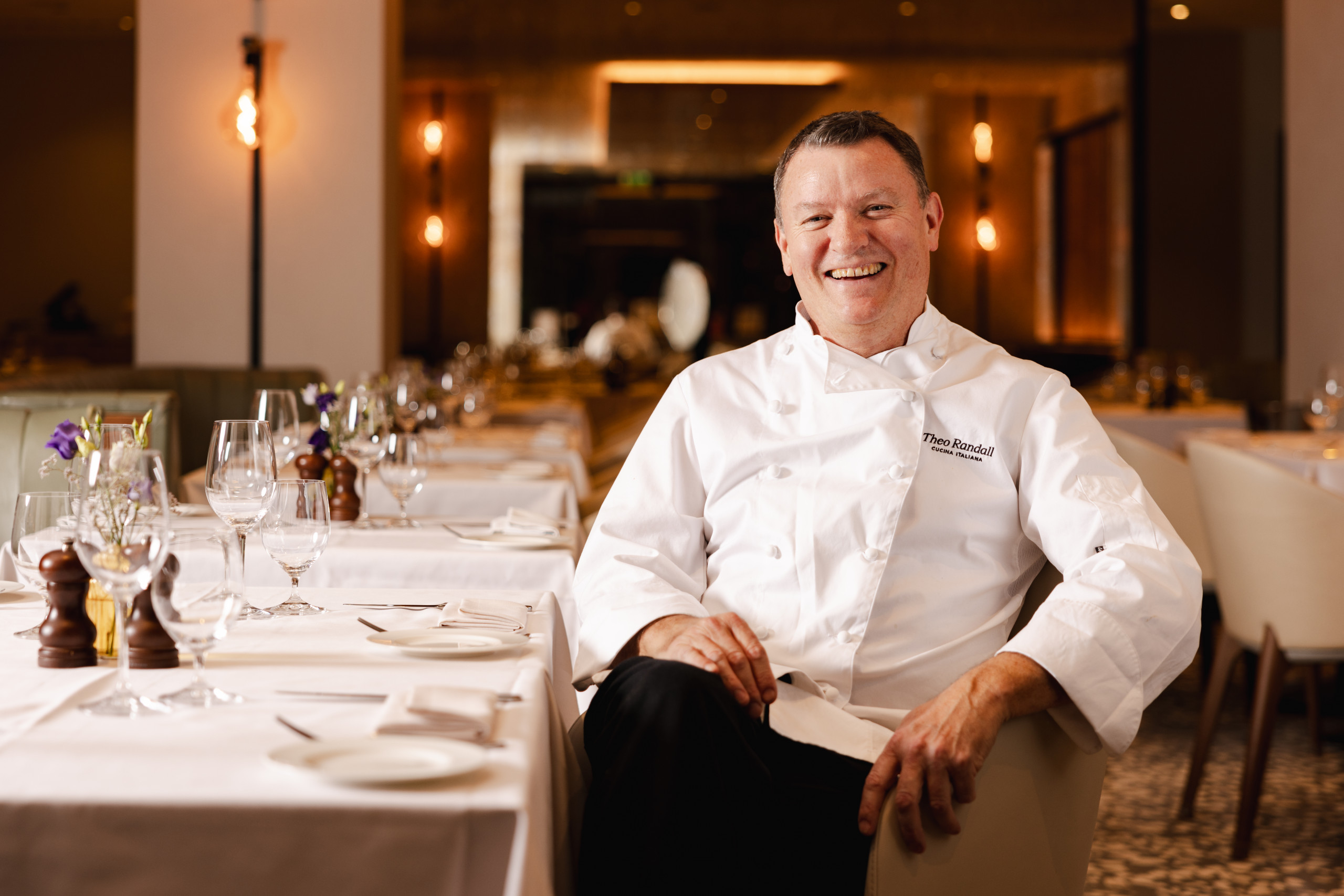

Angela Hartnett
Murano and Café Murano
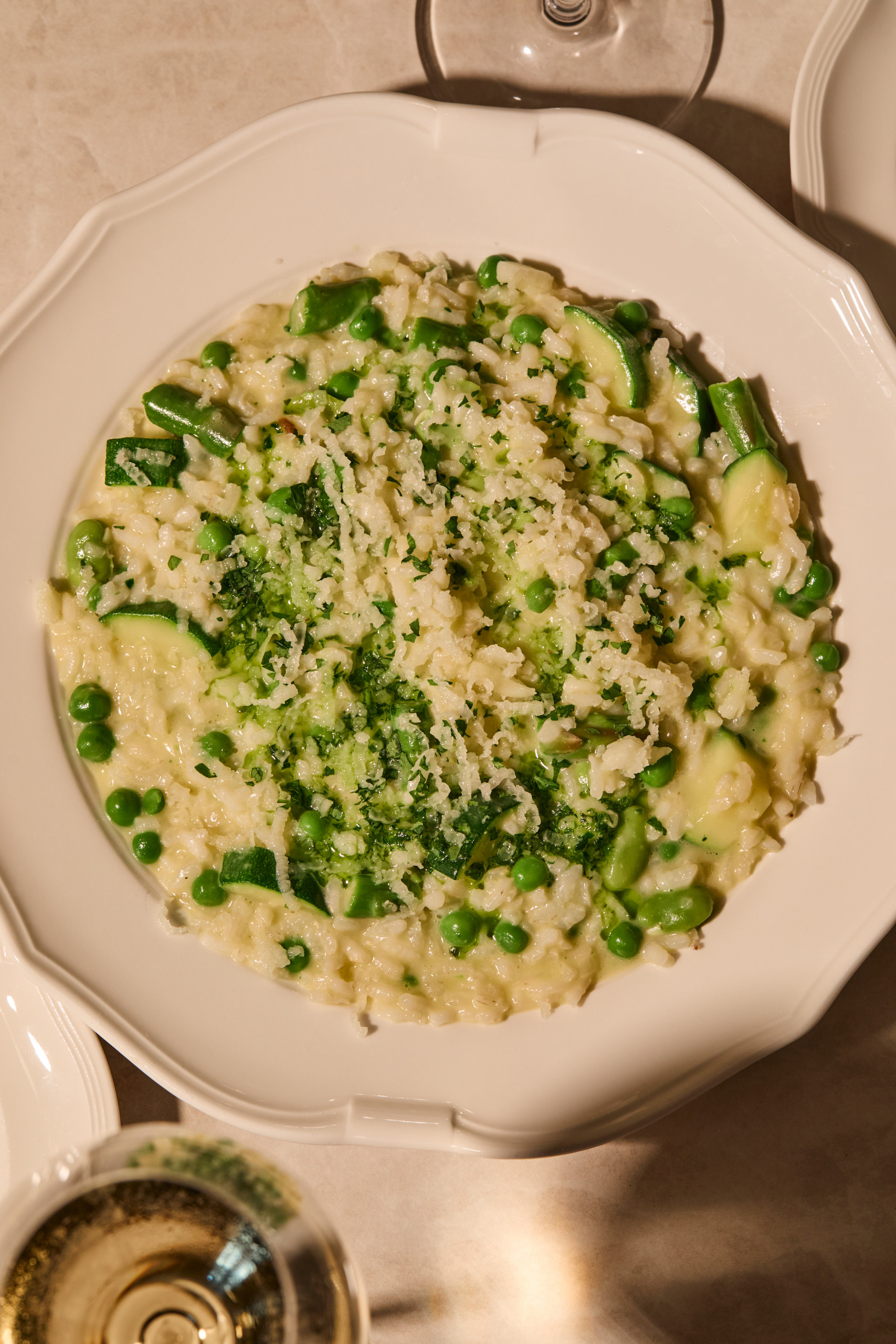
Asparagus Risotto
Asparagus has always signalled the start of spring for me. Every year at Murano, when the first bunches arrive through the kitchen doors, it feels like the season has properly changed. I wait for it impatiently because it’s one of those ingredients that needs very little fussing over –when it’s good, it really shines on its own.
In this risotto, there’s something so comforting about stirring a pot slowly while the asparagus softens into the rice. For me, the key is restraint so don’t over-complicate it. A generous amount of Parmesan, plenty of freshly cracked black pepper, and letting the asparagus be the star is all you really need.
I always reach for green asparagus here. I find it sweeter, fresher, and fuller in flavour. I know the white asparagus purists may disagree, but green asparagus is what tastes like spring to me.
One of my favourite things about making risotto is that the leftovers never go to waste. The next day, I’ll often cook it down a little further until it thickens and becomes almost sticky, then roll it into balls for arancini. Coated in breadcrumbs and fried until golden, they’re one of life’s great kitchen rewards.
Use any leftover risotto for arancini – cook the risotto again until thick and gelatinous, then roll it into balls, coat it in breadcrumbs and deep-fry until golden.
Recipe
Serves 6 as a starter
or 4 as a main
Ingredients
75g unsalted butter, cubed and chilled
2 tablespoons olive oil
1 banana shallot, finely chopped
1 garlic clove, finely chopped
300g carnaroli risotto rice
200ml dry white wine
1 litre hot vegetable stock
1 bunch of asparagus, woody ends discarded, stems chopped into rounds, tops whole
75g Parmesan, finely grated
a handful of flat-leaf parsley, leaves and stems chopped, to serve
salt and freshly ground pepper
Method
Heat 20g of the butter and all the oil in a large pan over a low heat. Add the shallot and garlic, season with salt and pepper and fry for about 7–10 minutes, until the shallot is soft but not coloured.
Add the rice, season again, and add another 20g of butter, stirring the rice to toast it, for 3–4 minutes. Add the wine and cook for about 2–3 minutes to evaporate the alcohol.
Gradually add the hot stock, a ladleful at a time, stirring continuously and allowing the rice to absorb each addition before pouring in the next. Do not let the rice swim in the stock.
After 14 minutes of adding and stirring, add the asparagus and cook, stirring, for a further 4 minutes, until the rice is al dente – the risotto should be pourable but firm and creamy enough to hold itself together. If it’s too thick, add a little more stock.
Remove the pan from the heat and add the remaining butter and the Parmesan, stirring them through the risotto to emulsify and give the risotto a creamy consistency. Check the seasoning and finish with the parsley. Serve immediately.