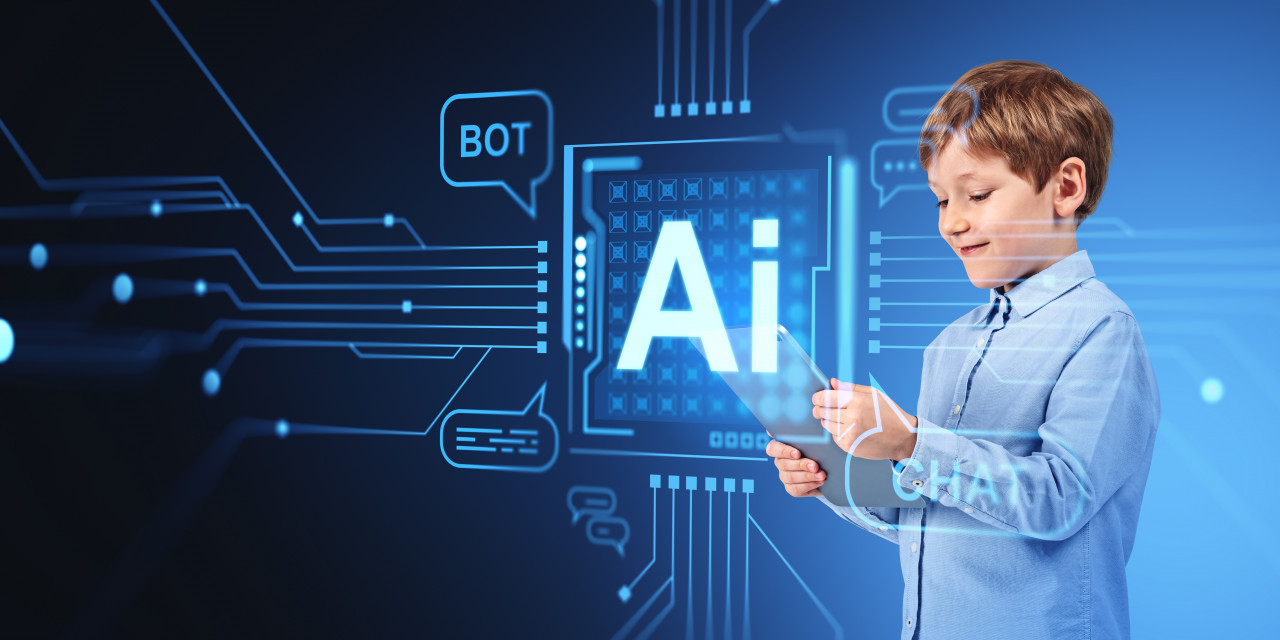
From writing their own AI charters to holding workshops and testing generative learning tools, private schools are anticipating and navigating a brave new world of artificial intelligence
Words: Will Moffitt
“Artificial intelligence can deliver a whole new era. It can be the biggest boost for education in the last 500 years,” the former education secretary Bridget Phillipson declared in January in an impassioned, proselytising speech that heralded the technology as a revolutionary force in British schooling.
Speaking at the UK AI Education Summit on Chancery Lane, Phillipson drew historical parallels to Charles Dickens, whose novel Bleak House drew on the area's courts to paint a picture of a legal system so bogged down in complexity it failed those it was meant to serve. “There's a lesson for us when it comes to AI in education,” Phillipson remarked. “Not to get lost in the fog of complexity.”
The Department for Education (DfE) subsequently launched a £23 million investment to pilot AI and edtech in more than 1,000 schools across England. Phillipson also talked of the technology's potential to supercharge tutoring in secondary schools, providing bespoke support for a greater share of the country, rather than just the “lucky few”. A defining theme of her address was that cold-hearted algorithms would never replace teachers. “Learning will remain a deeply human act,” she reassured her audience.
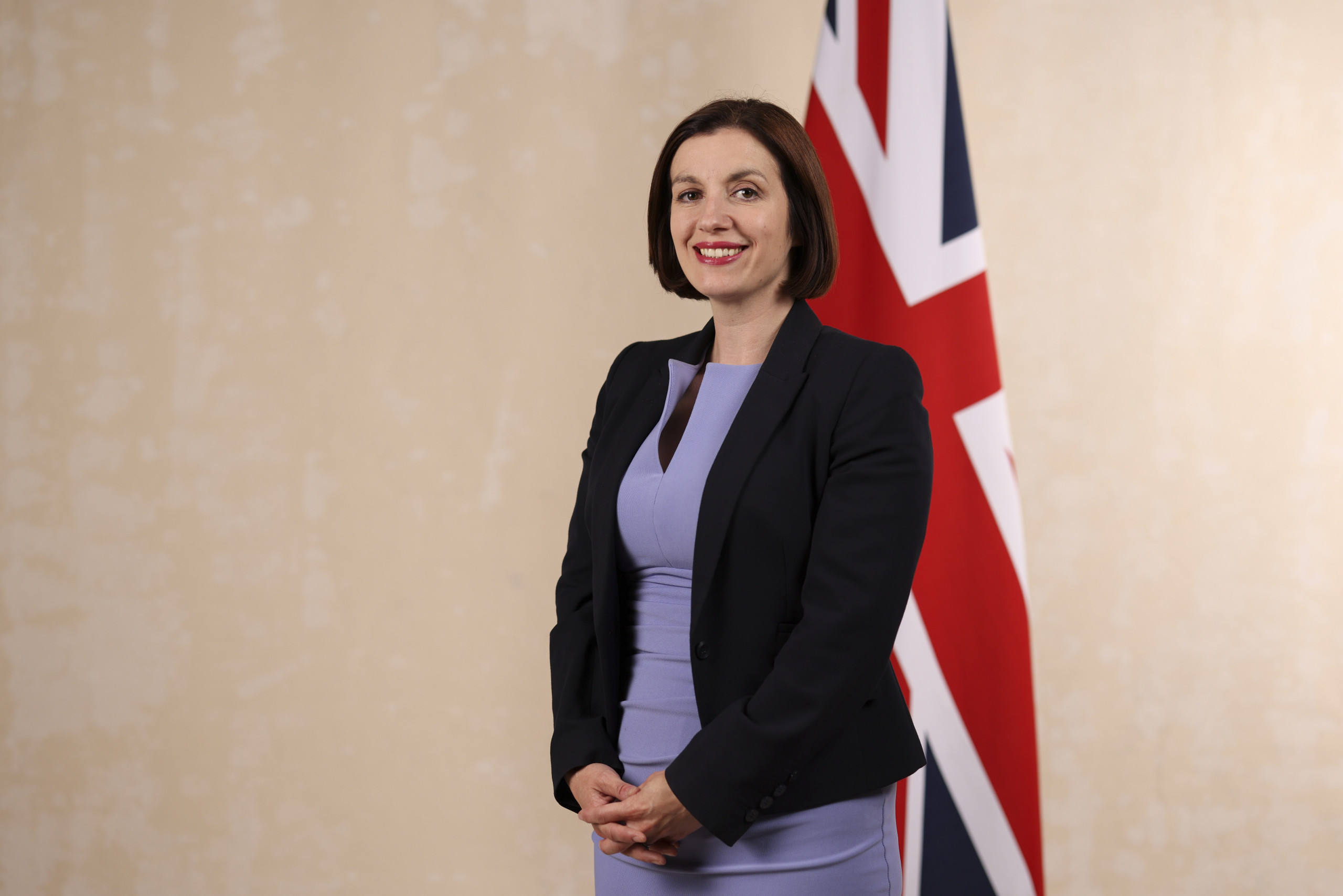
Andy Burnham's appointment of a new education secretary in Lucy Powell is unlikely to yield a radical overhaul of the government's approach to AI and education, which has been understandably cautious, given the risks posed by wholesale adoption. The UK has no specific or compulsory legislation around using AI in schools. Education providers must comply with existing laws such as the UK GDPR and data protection frameworks, and the DfE publishes guidance largely informed by existing safeguarding measures.
Many schools are holding meetings and workshops for teachers as they unpack enigmatic concepts such as generative AI, large language models and deep learning. Others have moved fast and already declared progressive adoption as their ideological governing principle. Some elite schools such as Institut auf dem Rosenberg, the Swiss school attended by children of billionaires, have already established AI charters.
A significant number of private schools in the UK and Europe have embraced the EU Artificial Intelligence Act, a comprehensive set of guidelines on the ethical use of AI and data in teaching and learning. Libby Nicholas, education director at Dukes Education, the private education group that operates London Park School (formerly Eaton Square Mayfair) in Piccadilly, calls the legislative framework “the gold standard for governance of AI”.
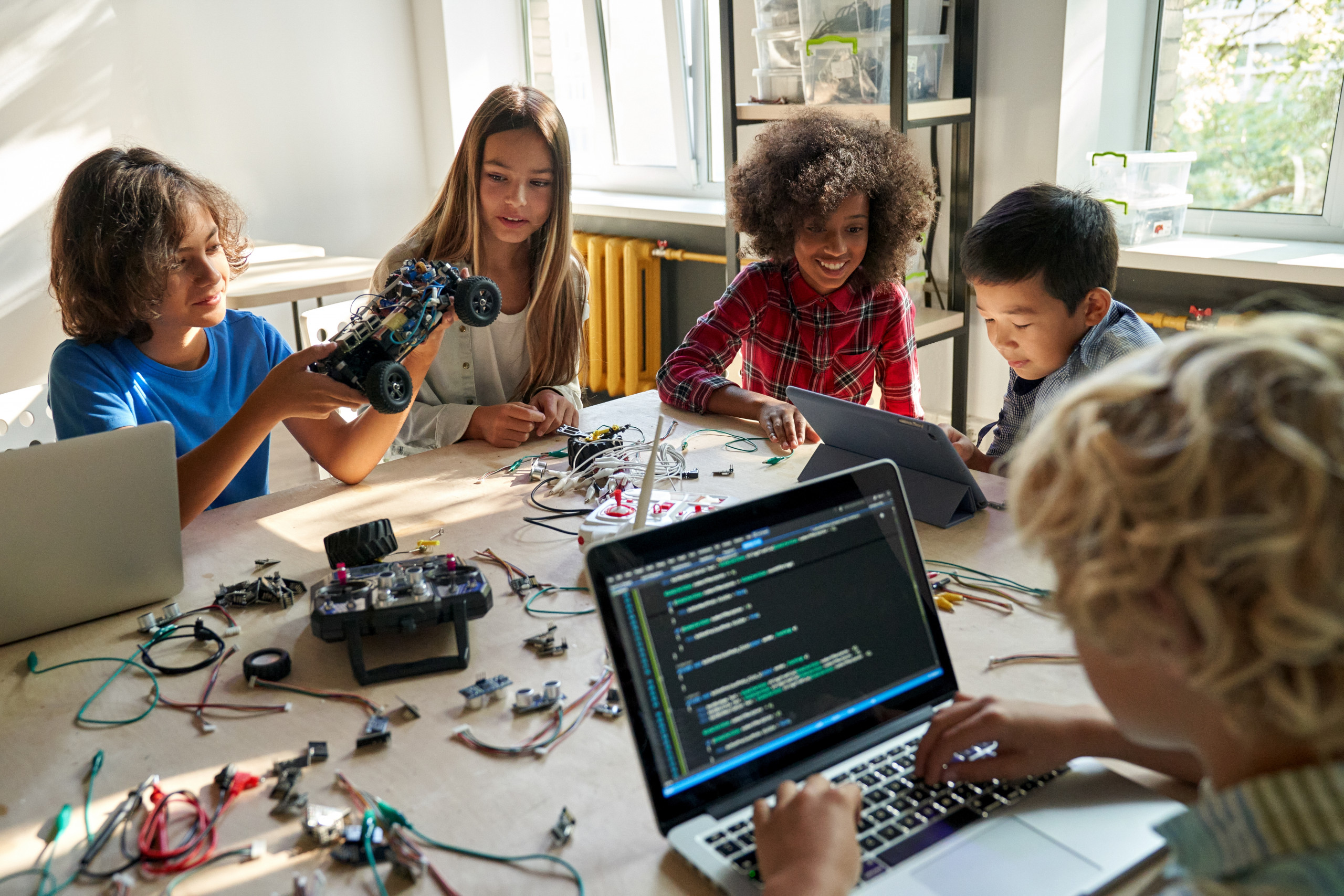
“We created a framework which guides the teacher before, during and after the use of AI to ensure that it's cognitive offloading, [but] not cognitive surrender,” Nicholas says. “Cognitive sovereignty is at the heart of the usage; we're not giving over our own thinking to AI.” Dukes has prohibited staff access to unpaid open AI tools such as ChatGPT to alleviate data compliance breaches and safety risks. Instead, it operates an internal, moderated AI platform. It permits teachers to integrate AI into their teaching strategies, predominantly for brainstorming and sparking creative breakthroughs to assist students.
“Oak Academy has an AI tool which enables you to prompt for lesson planning, and that's been signed off by the UK government, so we know that's fine,” Nicholas explains. “What we are trying to ensure is that teachers aren't creating lesson plans with AI.”
Oak Academy is an executive non- departmental public body that is sponsored by the DfE. It released an AI-powered lesson planning tool in December 2024, which was described as a “lesson assistant” for teachers in the UK, with the aim of reducing their workload. Many high-profile educators believe that the most radical aspect of using AI in education is its ability to free competent and passionate teachers from mountains of mundane and time-consuming admin.
“I think one of the biggest misconceptions is that Al's greatest value lies in teaching pupils,” says Torben Lundberg, chief information officer at Inspired Education, which operates Wetherby preparatory and senior school in Marylebone. “In reality, some of its most transformative potential lies in empowering teachers.
“Teachers consistently tell us that AI helps free up time that can be reinvested into more personalised teaching,” Lundberg adds, explaining that adaptive learning technologies “enable pupils to progress at a pace that reflects their own understanding rather than simply their age”. These insights have helped to shape the Inspired Edge Academy pathway, where AI adaptive platforms help students to build deeper understanding before progressing, while giving educators greater insight into where further support or stretch is needed.
IS AI OVERHYPED?
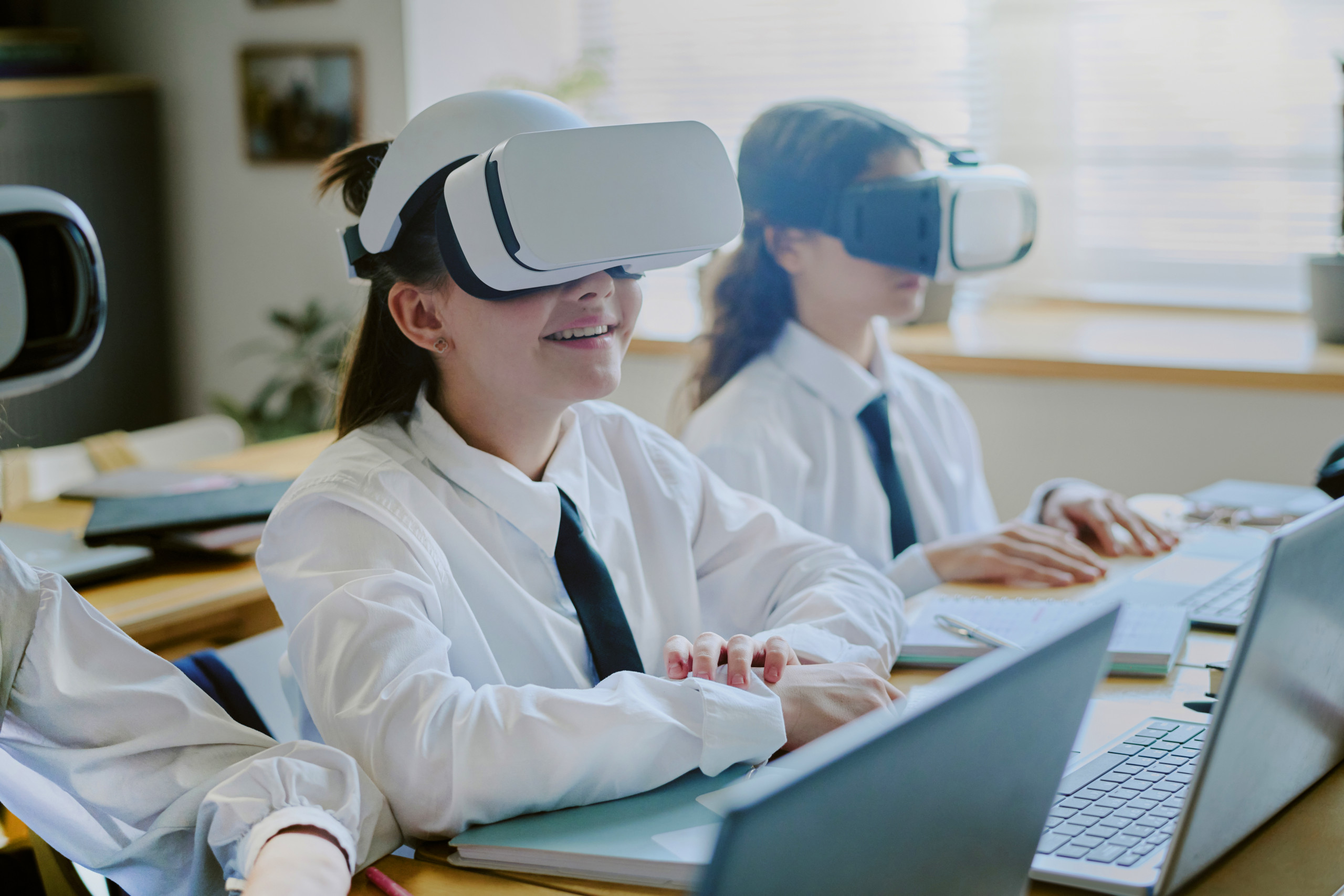
Private schools such as those operated by Dukes are also experimenting with metacognition, using virtual reality headsets under staff supervision. Building immersive virtual worlds to assist learning could be education's next lucrative AI-powered frontier. I follow several Instagram accounts that use AI to teach history. My favourite, itsaihistory, has striking graphics. Its portrayal of the 16th-century conquest of Mexico by Hernán Cortés has the visual richness of a sophisticated video game: Aztec warlords sit atop jungle pyramids gazing out at oceans dotted with Spanish conquistadors.
These pithy, narrated video segments feel purpose-built for a generation familiar with TikTok. They don't have to be substitutes for factual recall, but for students who are visual learners, they may help to fire their imagination. Rod Boswell, founder of ClearFrame Education, an AI consultancy for international schools, has used AI to create engaging homework assignments. He takes me through a Socratic exercise called the Archive, which he built using an AI tool called Fable.
Students are asked a series of questions about the Battle of the Somme. If they answer correctly they can proceed to the next question, but incorrect or underdeveloped responses are picked up by the platform. Near the end of the assignment, Boswell's AI-generated First World War infantryman, Tommy, refuses to answer an inappropriate question about how many Germans he killed fighting in the trenches.”You ask questions; it asks questions of you,” Boswell explains. “The one caveat you've got to put in is that this is a made-up character created by AI. It's based on real accounts from soldiers, [but] he's not a real person and can get things wrong.”
Boswell has spent more than 25 years in international education in the UK, the Middle East and south Asia, most recently as principal of El Alsson British International School in Egypt. Despite working in the trade, he is a self-confessed “AI and education sceptic”.”I think that largely it's overhyped,” Boswell tells me. “Unfortunately in education we've had 30 years of tremendous promises from the tech sector that didn't actually deliver.”
His primary concern is ensuring that schools are using the most ethical and trustworthy AI platforms and have implemented adequate guardrails around AI use. Anthropic is Boswell's preferred AI platform because he feels it is the most transparent. It has a baked-in proclivity to admit when it is not 100 per cent certain answering a question. AI may be adept at collating and analysing data, and making rapid-fire inferences, but Boswell cautions against venerating it. “An inference is not a theory. It's not a law. It's a really good guess with some nice context attached to it,” he says. “That's where AI sits at the moment.”
Boswell's concluding remark neatly sums up how most AI-curious educators feel right now: “You can build a tool that really serves a purpose well, but you can't replace a teacher.”