Grosvenor Square has been transformed into an urban garden, filled with plants and teeming with wildlife
Words: Selma Day
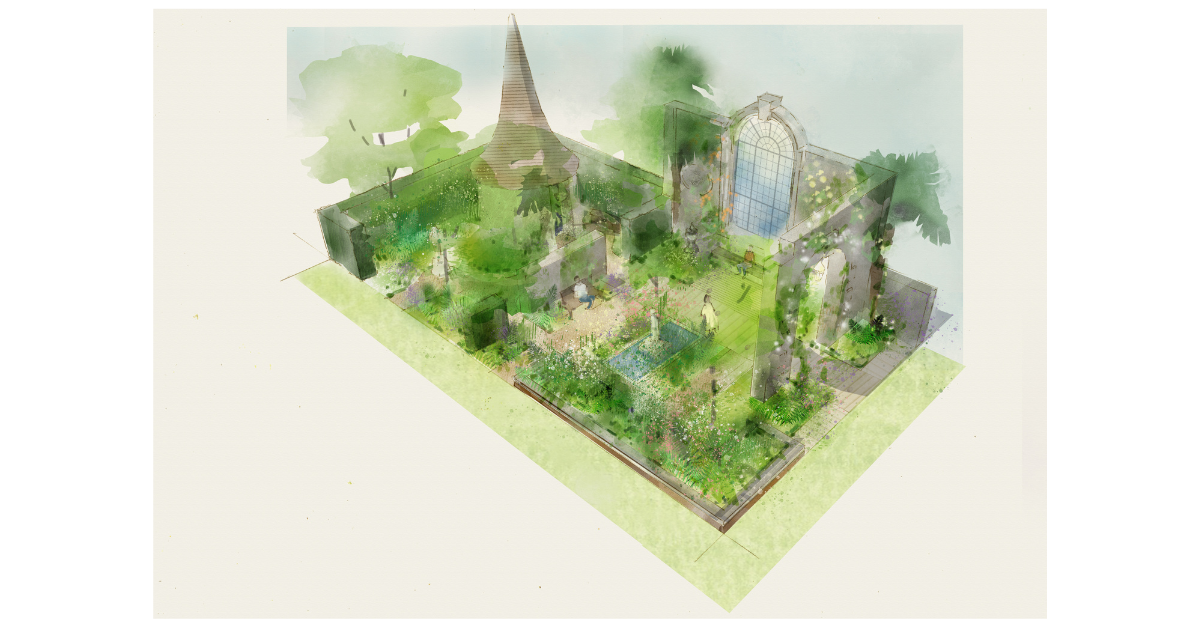
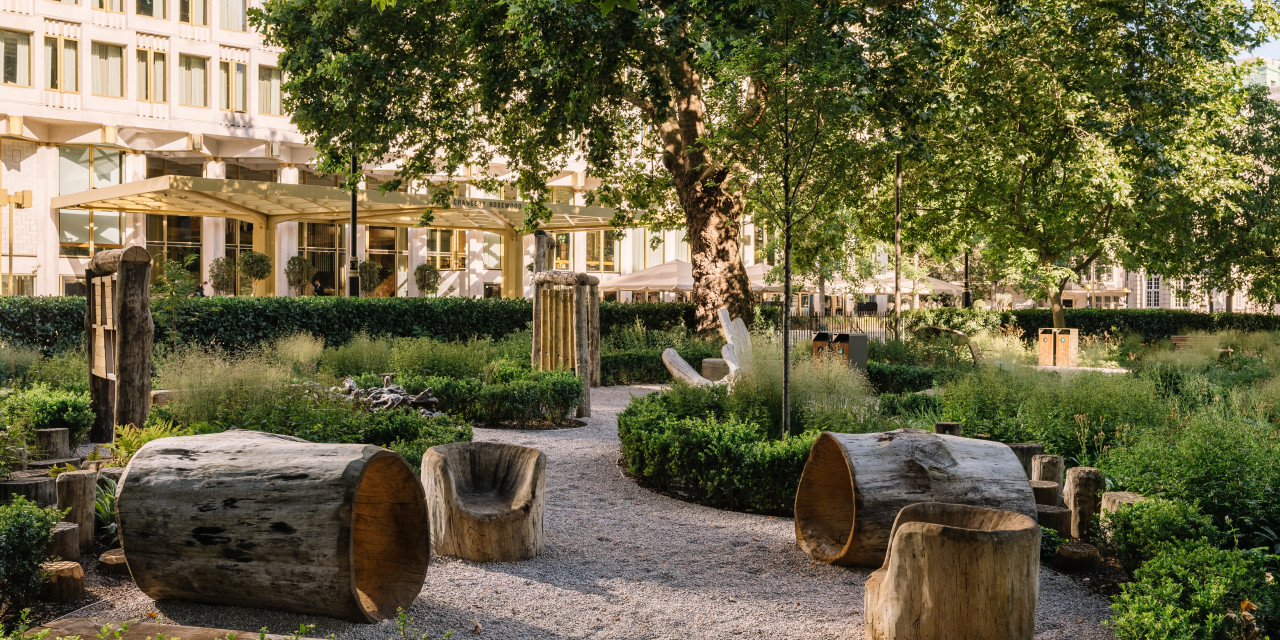
Last month Grosvenor Square reopened after a £25 million investment – the result of a decade- long vision. In only the fourth redesign in its 300-year history, the square has been transformed into a climate- resilient urban garden, which is home to 150,000 plants and bulbs, new trees, wildlife and a greener, calmer destination for people in the heart of the city.
Combining ecological ambition with practical, human-centred design, the space has been created to respond to the climate challenges facing cities today: wetter winters, hotter summers and a link between access to nature and mental health and wellbeing. Previously, less than one per cent of the square was planted. Today, that figure is close to half, with 70,000 plants across 63 species, 80,000 bulbs and 44 trees planted.
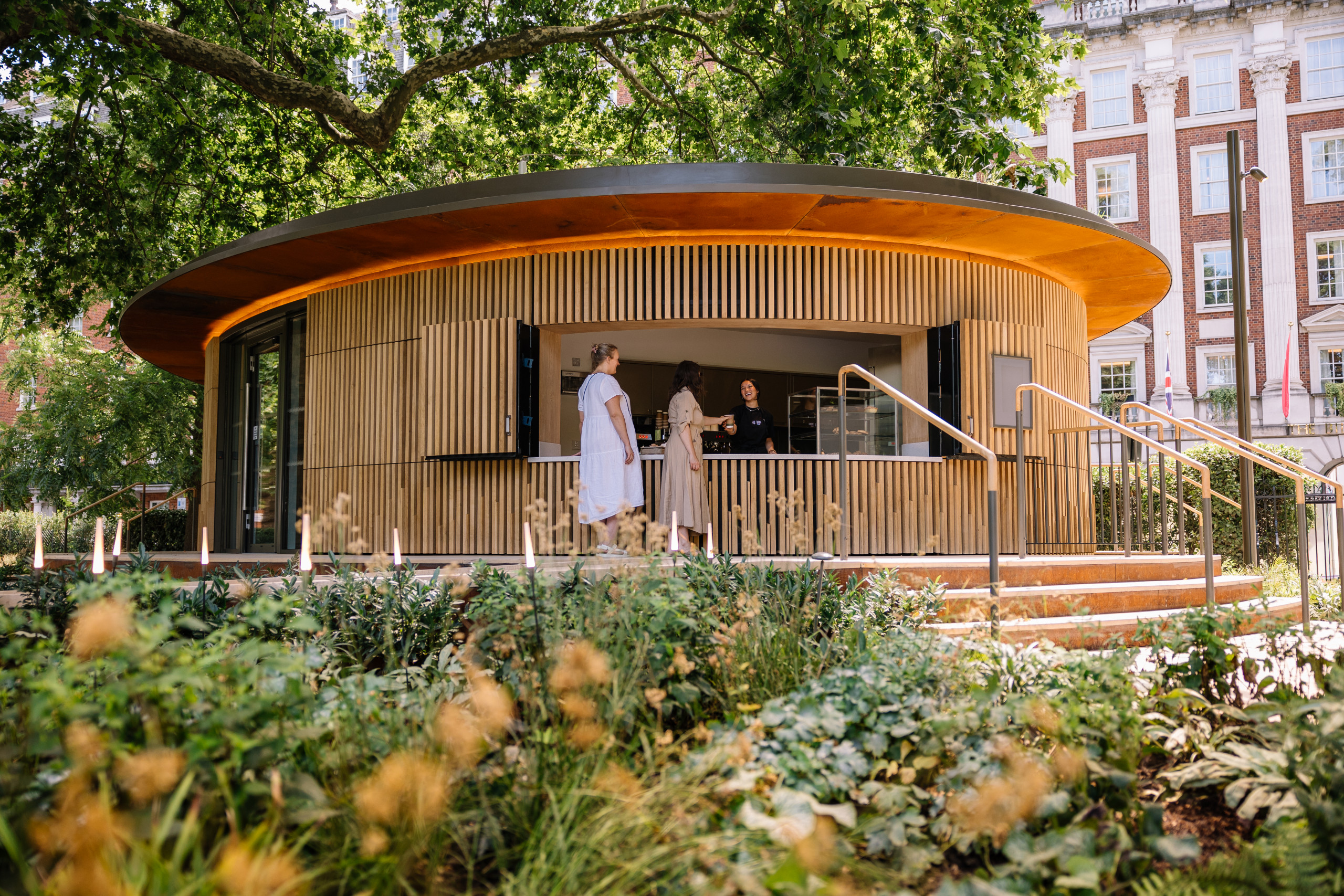
New woodland planting and two wetlands have been introduced, providing space for birds, pollinators and other species in the heart of central London. Seasonal gardens, woodland paths, additional seating and a new café kiosk offer visitors more reasons to linger and explore. Wildlife has already returned, with ducks, butterflies and dragonflies all sighted in the weeks before opening.
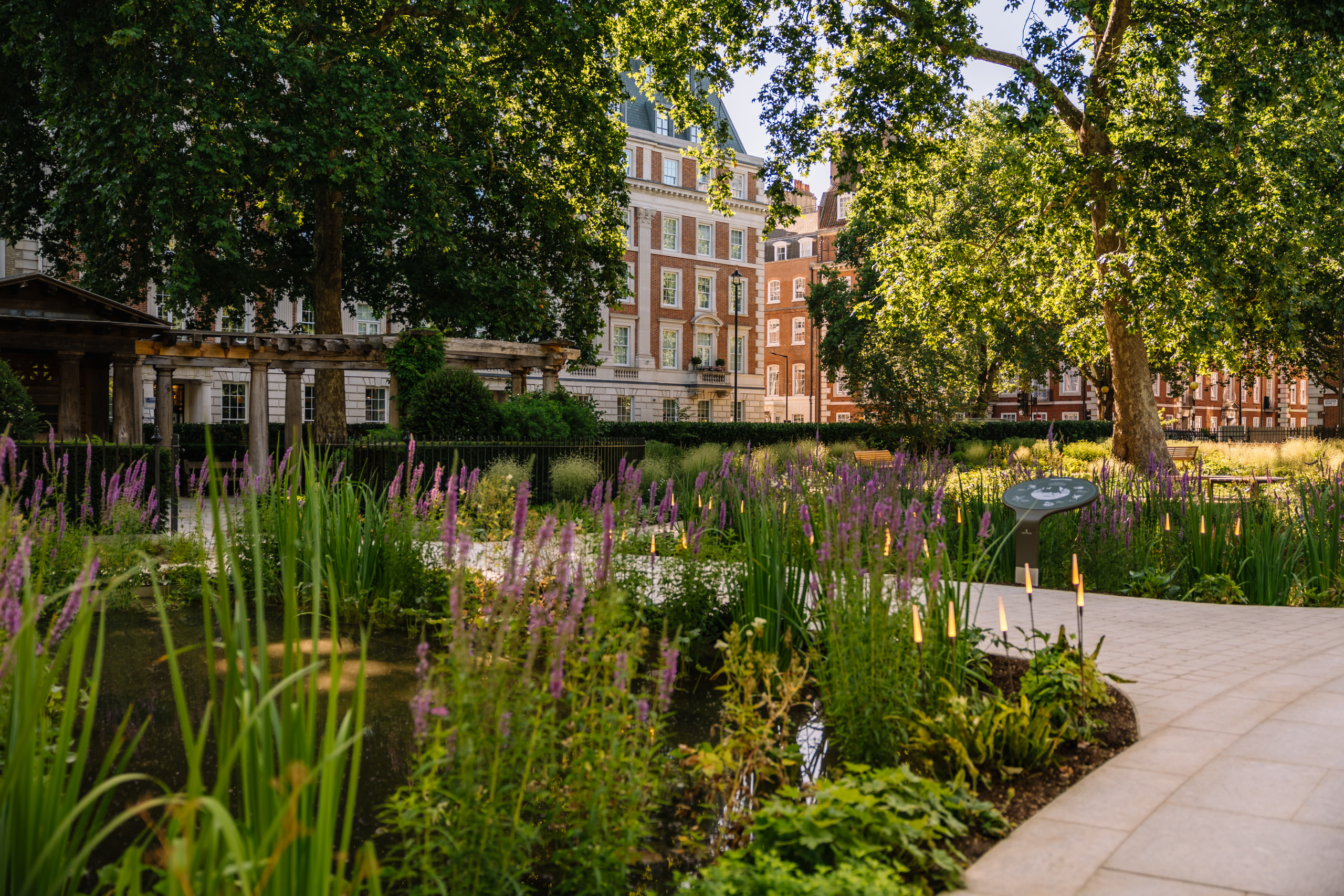
The landscape has been designed to evolve over time, becoming richer and more diverse as planting matures. To support this new landscape and improve resilience to extreme weather, soil has been decompacted and restored across 15,000 square metres, an area equivalent to two football pitches. The square can now absorb up to 1.4 million litres of stormwater, helping to reduce pressure on London's drainage network during periods of heavy rainfall. The square has been shaped by feedback from more than 7,000 Londoners, resulting in a space designed to be welcoming, easier to navigate, safer after dark and more enjoyable to spend time in throughout the year. It has improved entrances, 300 additional places to sit, public toilets, water fountains, enhanced lighting and CCTV.
A new education centre, with programmes funded by the Westminster Foundation and delivered by London Wildlife Trust, will offer opportunities for children and adults to learn about biodiversity, the environment and climate change.
The square also honours its rich history, with the reinstatement of the original 1720s oval at the centre of the design. Existing memorials, including those commemorating Franklin D Roosevelt, the Eagle Squadrons and the victims of 9/11, have been preserved and thoughtfully integrated into the new landscape.
The Duke of Westminster said: “The reopening of Grosvenor Square is a very special moment for Grosvenor and for this part of London. The square has been at the heart of Mayfair for 300 years, and our responsibility has been to respect that history while ensuring it is ready to serve London for the next century.
“This transformation is about showing how historic urban spaces can work well for people, nature and the climate. We are grateful to the thousands of people who helped shape the project, including many young people whose ideas influenced the final design.
“I hope Grosvenor Square becomes a place where everyone can pause, explore and connect with nature in the heart of the city, and where future generations can develop a sense of wonder about the natural world.”
James Raynor, chief executive of Grosvenor Property, added: “When we approached the redesign of Grosvenor Square, we challenged ourselves to consider not only what looks good, but also what the city actually needs. The result is a public garden where climate resilience, biodiversity and access are built into every part of the design. It is both a response to the climate challenges cities face today and a gift to the people of London.
“Mayfair is quietly entering a golden age, with Grosvenor Square reinstated as its centrepiece. What you see today, beyond this unique new public space, is a philosophy of long-term stewardship brought vividly to life. It is a space that respects the square's remarkable history while looking confidently to the future, and one that I hope will bring joy to everyone who visits.”