Clare Smyth, the world’s top female chef, discusses being an introvert, surprising mentor Gordon Ramsay with her serene style of cooking and her new Belgravia bistro, Corenucopia
Words: Jonathan Whiley
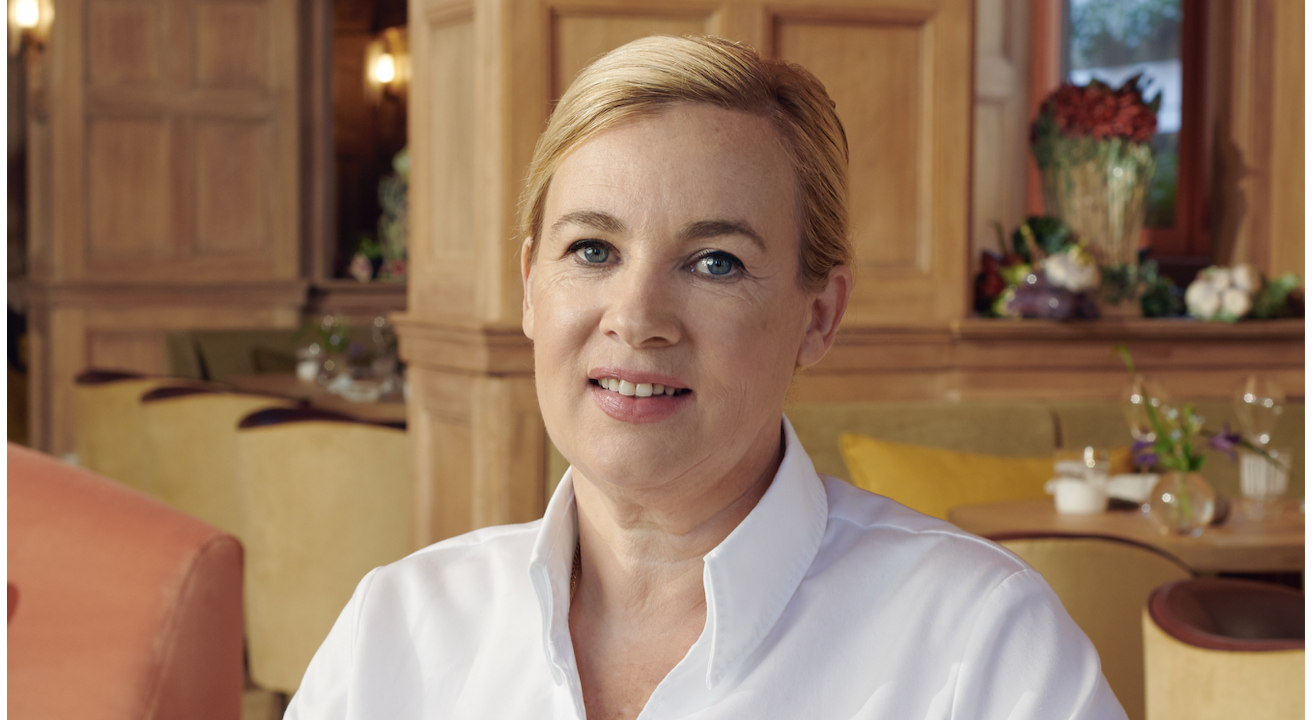
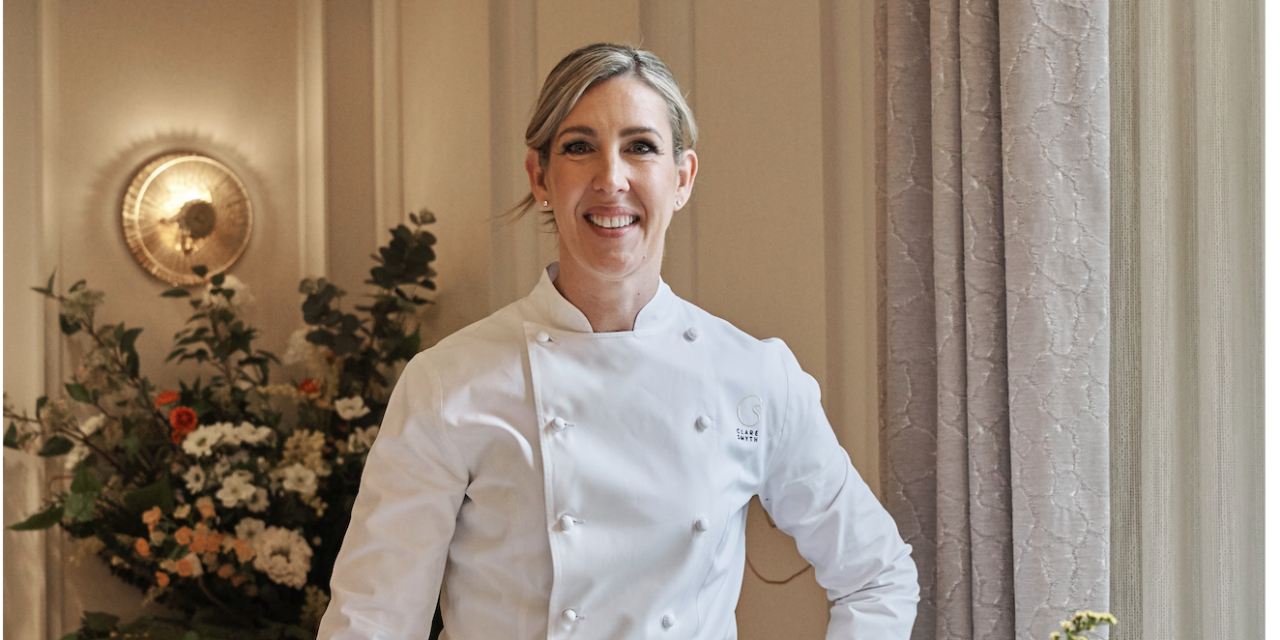
Clare Smyth oozes a quiet confidence. For a world-renowned chef with A-list and royal connections – David Beckham booked out her three-Michelin-star restaurant, Core, for his star-studded 50th birthday celebrations last year, and she catered for Prince Harry and Meghan Markle’s private wedding reception – she’s refreshingly understated. The first female British chef to run a three-Michelin-star restaurant, there is a steeliness at her core (ahem), but she’s warm, engaged and remarkably lacking in ego.
It’s quite the contrast to her mentor, Gordon Ramsay. She spent 13 years at Restaurant Gordon Ramsay on Royal Hospital Road, rising from chef de partie to chef-patron. When she joined, Ramsay said she wouldn’t last a week.
“I am actually quite a shy person,” Smyth confesses over coffee in the stylish bar of her acclaimed Notting Hill flagship. “I’m quite an introvert, weirdly. Even when I was with Gordon, I was very quiet. He used to say to me that he was a bit unnerved because everything became quiet and serene in the kitchen, because I work like that. It’s just my character.”
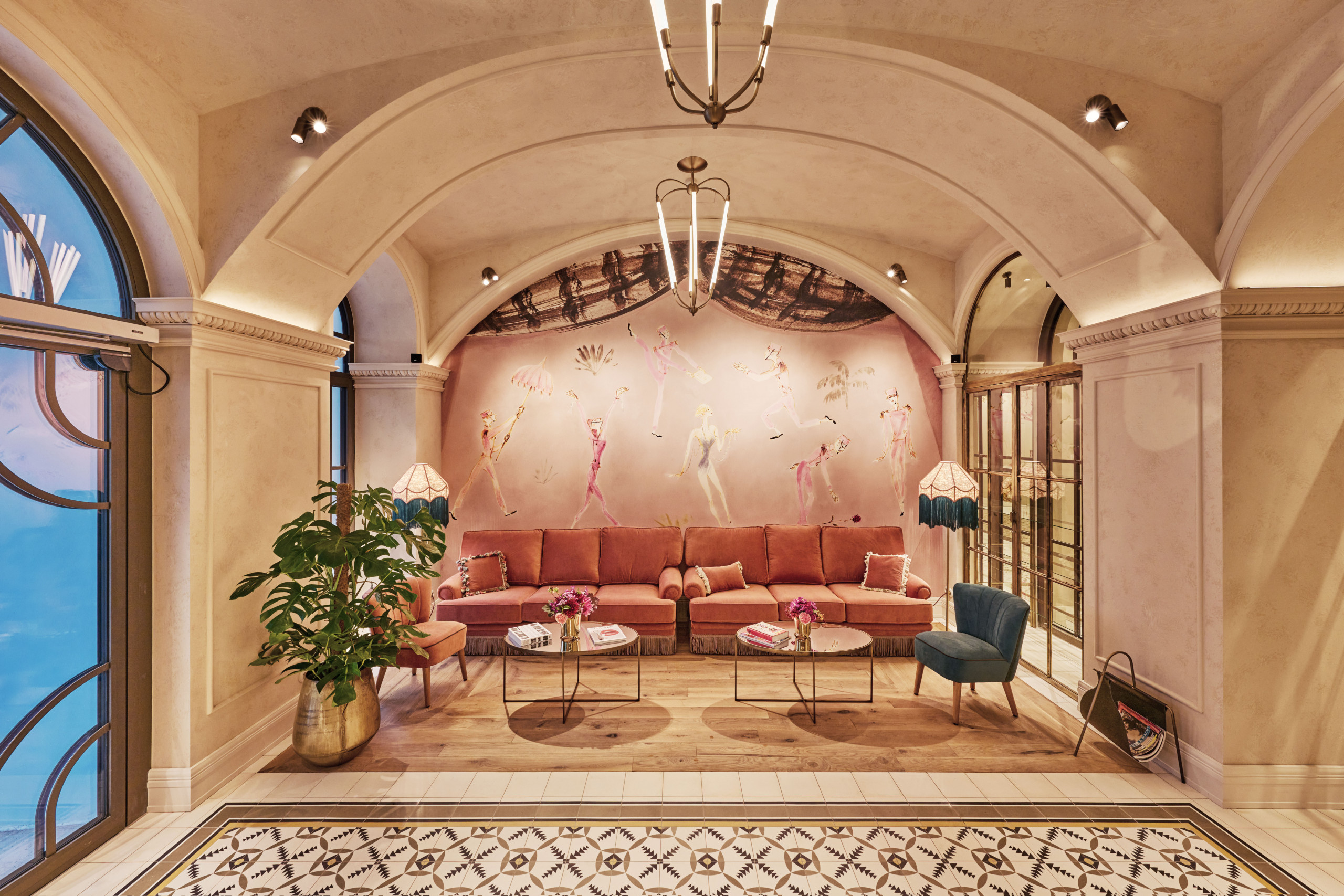
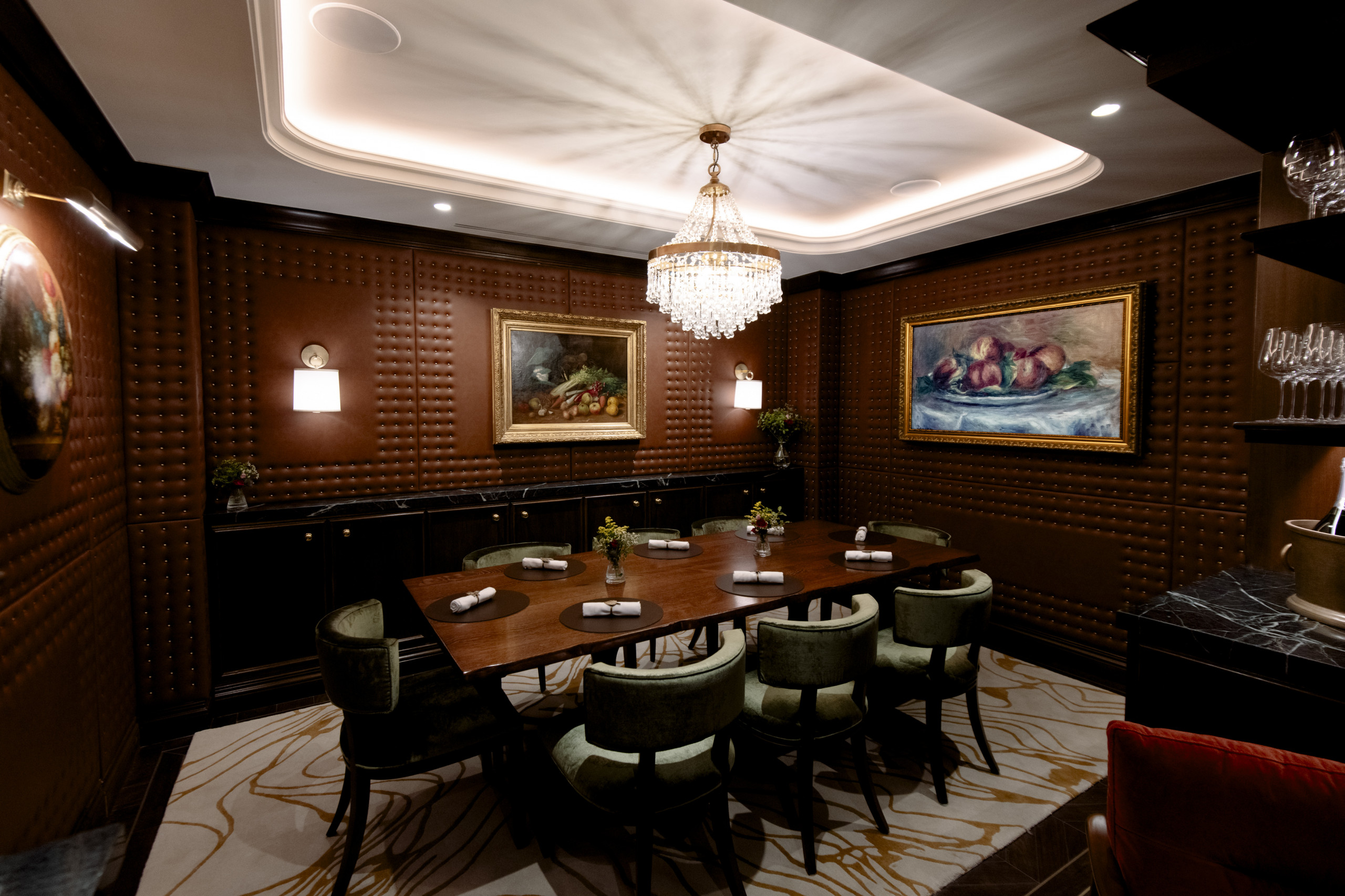
Smyth’s latest venture is Corenucopia, a luxury bistro in Belgravia’s Holbein Place, opened in December in a site previously occupied by a neighbourhood Italian. “You know when you walk into a place that it feels right. Most of my career was spent at Royal Hospital Road and it’s a really great neighbourhood.”
Smyth spent more than £2 million to ensure the building was up to her exacting standards. “We had to gut it and do structural work. It took nearly a year and was a huge amount of work. When we take over a space we try to make it the best it can possibly be. It’s a big investment for a bistro.”
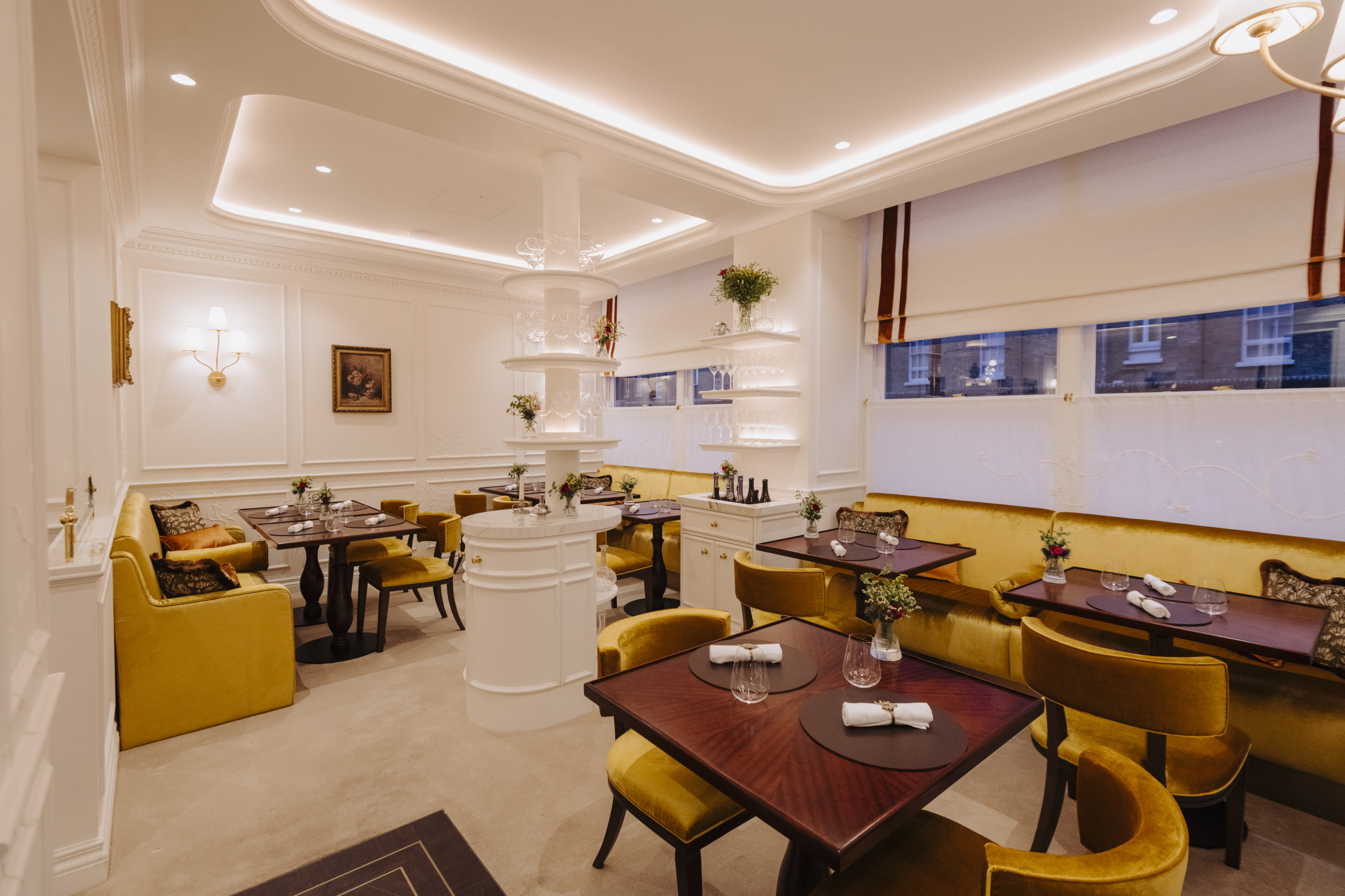
This isn’t a bistro in the modest Parisian sense of the word. “It’s a bistro deluxe,” the 47-year-old says. “It was about somewhere that I would really like to go and eat. I like to go somewhere that is comfortable, has nice plates, glassware, silverware – where I can have a toad in the hole or a fish and chips, but an elevated one. You can order as much or as little as you want and you can come back time and time again.”
Guests can enjoy a casual glass of wine and a slice of terrine, or book out the wine cellar with a bottle of 1959 Lafite. “Luxury was a very important thing for us. Within the neighbourhood and where it sits, people’s homes are nice. I’m not someone who is going to be drinking out of a jam jar; I want nice service and to drink out of a nice glass.”
Demand is already high. When reservations opened, they took 1,500 on the first day. “We just put it on our Instagram that we were opening and then it was, ‘Bang!’, which was amazing.” Was she surprised? “I’m always surprised. I’m always quite humbled by it. It’s heartwarming.”
The menu is all about comfort and nostalgia, with interpretations of British classics such as toad in the hole. Other dishes include chicken kyiv cordon bleu (made with black truffle sauce) and the much talked-about “fish and chips”, a luxurious dish made with dover sole and lobster mousse. Its £52 price tag has not gone unnoticed but, as Smyth points out, they are ingredients “that cost a lot of money”.
“And you don’t have to order that, you could order a Barnsley chop at £26. It’s always mind-boggling when people say: ‘Oh, it costs this amount of money.’ Yes, but I don’t walk into Gucci and Prada and say: ‘Well, your shoes are too expensive for me.’
Image below: Food Story Media Ltd
Sticking with the style metaphors, Smyth describes the cuisine as “ready-to-wear, you can go every day in it” whereas the fine dining at Core is “haute couture, it’s delicate”.
At Corenucopia, the clue is in the name: it’s a place of abundance with a focus on seasonal cooking rooted in Britishness, from the plateware to the cutlery and, of course, the dishes. “We have put a fridge at the bottom of the stairs full of produce, because we buy the best produce and I want people to see what they are eating.”
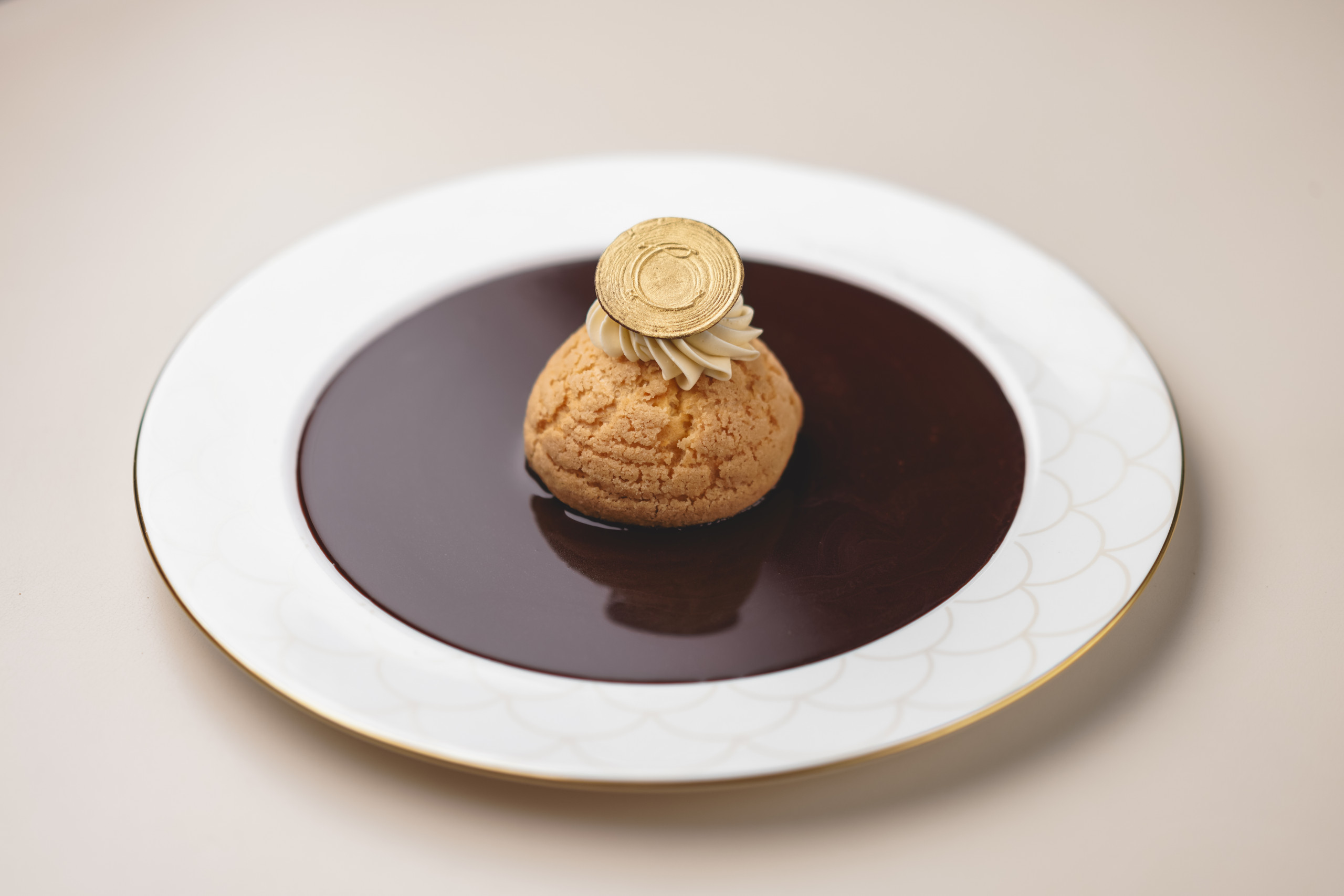
Smyth says it was a “big struggle” to whittle down the menu, particularly the puddings. In the end she landed on eight, all made fresh every day including a sherry trifle, giant profiterole with (very expensive) Tahitian vanilla and an Irish “coffee-misu”.
Equally playful and another nod to her Irish heritage – Smyth grew up on a farm in Northern Ireland – is the standalone potato menu, featuring 13 potato dishes including croquettes, dauphinoise and mash with caviar.
“It’s meant to be this over-the-top thing, a little bit of fun. It was the same for the vinegars.” There is a rather beautifully presented selection for diners to choose from, from a classic Sarson’s malt to a champagne vinegar or barrel-aged sherry vinegar.
For all the playfulness and extravagance, Smyth is keen to stress that the price point is generally at bistro level, with starters from £18 and mains from £26 and a good-value wine list.
Her quest for perfection and risk-averse nature mean she has thought the opening through meticulously. “I don’t run into things. I don’t need to. Hospitality can be a tough industry and you want to make sure you get it right.
“Margaret Thatcher always said there is a market for the best, so you need to make sure you stay at the top. People are in a difficult climate economically, but they will pay for an experience and quality.”
How does she manage the pressure? She is the calmest and most composed chef I’ve ever met. “I exercise a lot, every day. I want to keep in the best possible condition. It is gruelling, we work all the time and you have to look after your health and wellbeing. I have a dietician and I really focus on looking after myself to be the best I can be to handle everything. There is a lot of stress involved.”
In the countdown to opening, Smyth and her team were working “all day, every day, seven days a week” to get it right. Has she always had such a work ethic? “Very much so. I think it was growing up on a farm. I’m obsessive about things like detail and you have to have a competitive spirit as well.
“Being a female in a hospitality kitchen when it’s generally always men and also being quite a shy person, I wouldn’t always stand out. My character wasn’t one that was going to stand out and also being a young woman, you don’t want to stand out. I always knew that I was stronger mentally and stamina is a huge thing. I was relentless and I would always outwork and outdo everyone in the end; I’d be more consistent and would make my work better.”
Smyth has a big year ahead, with the opening of a restaurant within the highly anticipated Waldorf Astoria London Admiralty Arch hotel. “It’s going to be so cool. It’s dream stuff,” she says.
“It’s going to be seafood, celebrating our island. We don’t eat enough fish in Britain, but we have some of the best fish in the world and it’s going to be applying my art and skills to creating something really spectacular.”
Does Smyth ever allow herself a moment to reflect on her glittering career? “I read a quote the other day and it’s so true. ‘Win or lose, you get up the next day and go back to work’, and I’m very much like that. I very rarely celebrate anything we do and my team finds that a bit hard sometimes.”
Is that because she is too busy or too much of a perfectionist?
“Both. I’m just thinking about the next day and the next thing. I guess there is a fear of failure if you don’t put the work in and then it’s my fault because I enjoyed myself too much. It’s the mindset I have: always put the work in and then if things don’t work out or aren’t as good, you can say: ‘I did everything I could.’”