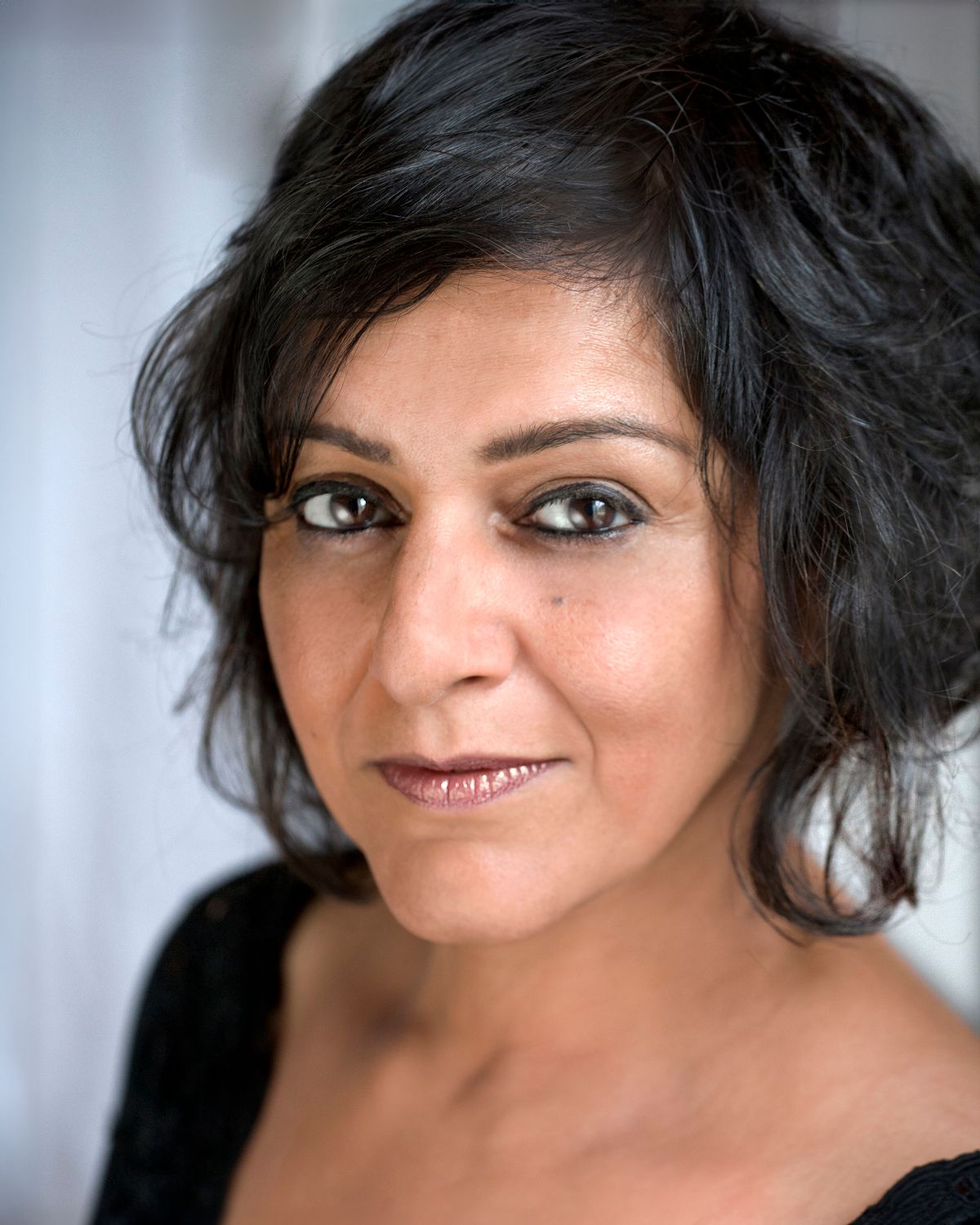
In her memoir, Meera shares stories from her grandfather’s
attempts to arrange her marriage to her life as an actress and writer to her
journey to motherhood. She delves into her parents’ past, revealing lives
deeply affected by the partition of India in 1947 and its effects on so many
people of her generation. She also talks openly about personal traumas such as
divorce, sexual assault and her father’s Alzheimer’s.
The reason the book is called Vigilauntie is because
her aunties have been the backbone to Meera’s life – “the blowsy Greek chorus
to my trials and successes, triumphs and failures, my inspiration and,
occasionally, my conscience”, she writes. The aunties who would constantly tell
her: “Don’t sit with your legs apart”, “You can only get fat after you’re
married” and “Divorce? Call it ‘dievorce’, because better you die than do that
to your family.”
Now an auntie herself, Meera understands that their
controlling behaviour was the only way they knew how to offer protection. Often
these were strong women who hadn’t fulfilled their own dreams and passions
because they hadn’t been encouraged or had the opportunity to spread their
wings.
“I will never forget them,” says Meera. “Most of them are
gone now, and I miss them terribly. But the couple that are remaining came to
my book tour in Birmingham. It was fantastic seeing them again, and even the
bad ones I remember with fondness because, you know, they were great comedy
material for a start. But also, that journey I went through between fearing
them and understanding them – it’s like a journey of womanhood.
“I was lucky. I was surrounded by incredible women, and
generally throughout my life, it’s been women that have inspired me. Toni
Morrison inspired me as a writer so much and Alice Walker – all that generation
of extraordinary women who were breaking barriers. Women like Shonda Rhimes and
Mindy Kaling who are heads of their own production companies and can put the
stories on that they want without going through the gatekeepers. I think that’s
amazing.
Growing up, one of Meera’s role models was Victoria Wood.
She recalls an excruciating audition for the woman she describes as her
“absolute heroine”. “I finally met my inspiration and let myself down very
badly. It was the worst audition of my life… because it meant too much. I loved
her too much. I wanted to work with her too much, and I brought in this air of
utter desperation.”
I ask Meera what she considers to be the biggest lesson she
has learnt from her success and what advice she would give her young self. “I’d
probably tell my young self that it’s going to get better – and don’t give up.
It’s lonely, so find your tribe. Always generate your own work because this is
a really tough industry, and no one’s going to hand it to you on a plate. And
find mentors. You need powerful people that can open doors for you sometimes
when they remain locked.
“Goodness Gracious Me and The Kumars at No 42
were championed by white, middle-aged, middle-class men who believed in the
project, and that was great because somebody with power took a chance on us.
And often you do need those people when you keep hitting that glass ceiling.
You need someone who will step up and say: ‘I will take a risk on you.’”
Now she’s an auntie herself, does she find herself saying
the same things as her aunties used to say back in the day? “Yes, I do. My kids
say: ‘Oh my God, all right, auntie.’ But I do think we can all be vigilaunties.
We can redefine what auntie means, and I think particularly for bringing our
girls up and giving them opportunities, and also how we raise our boys – and
raise boys who really know what gender equality is, and don’t just mouth it,
but actually live it.
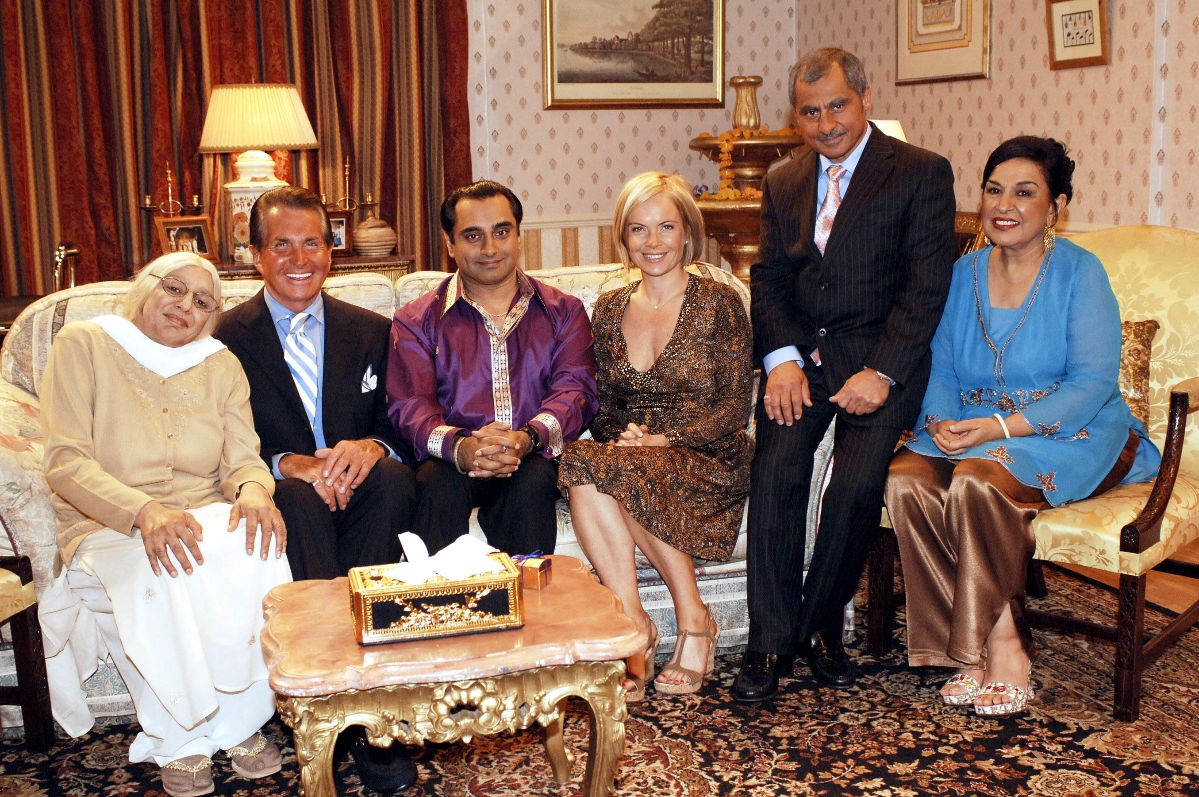
Meera certainly channelled every bad-ass auntie she knew to
play the naughty, outrageous character of Granny Kumar in The Kumars at No
42. And, of course, she always sat with her legs apart.
Vigilauntie by Meera Syal (published by Weidenfeld
& Nicolson) is out now; weidenfeldandnicolson.co.uk
.jpg)