Queen of Crime: Inside the new Agatha Christie exhibition at the British Library

As a blockbuster Agatha Christie exhibition opens, we look at how London’s smartest streets frequently formed the backdrop to her murder mysteries

Queen of Crime: Inside the new Agatha Christie exhibition at the British Library
  • Andy Williamson

  • Nov 12, 2026

  • Culture

If you want to get in on Knightsbridge’s greatest property bargain, grab yourself a flat in Montagu Mansions. This big, handsome block just off the district’s main thoroughfare offers irresistible bargains for those looking to rent. Don’t take my word for it – just ask the Robinsons. This young, respectable couple boasted of their luck in snapping up a flat “dirt cheap”.


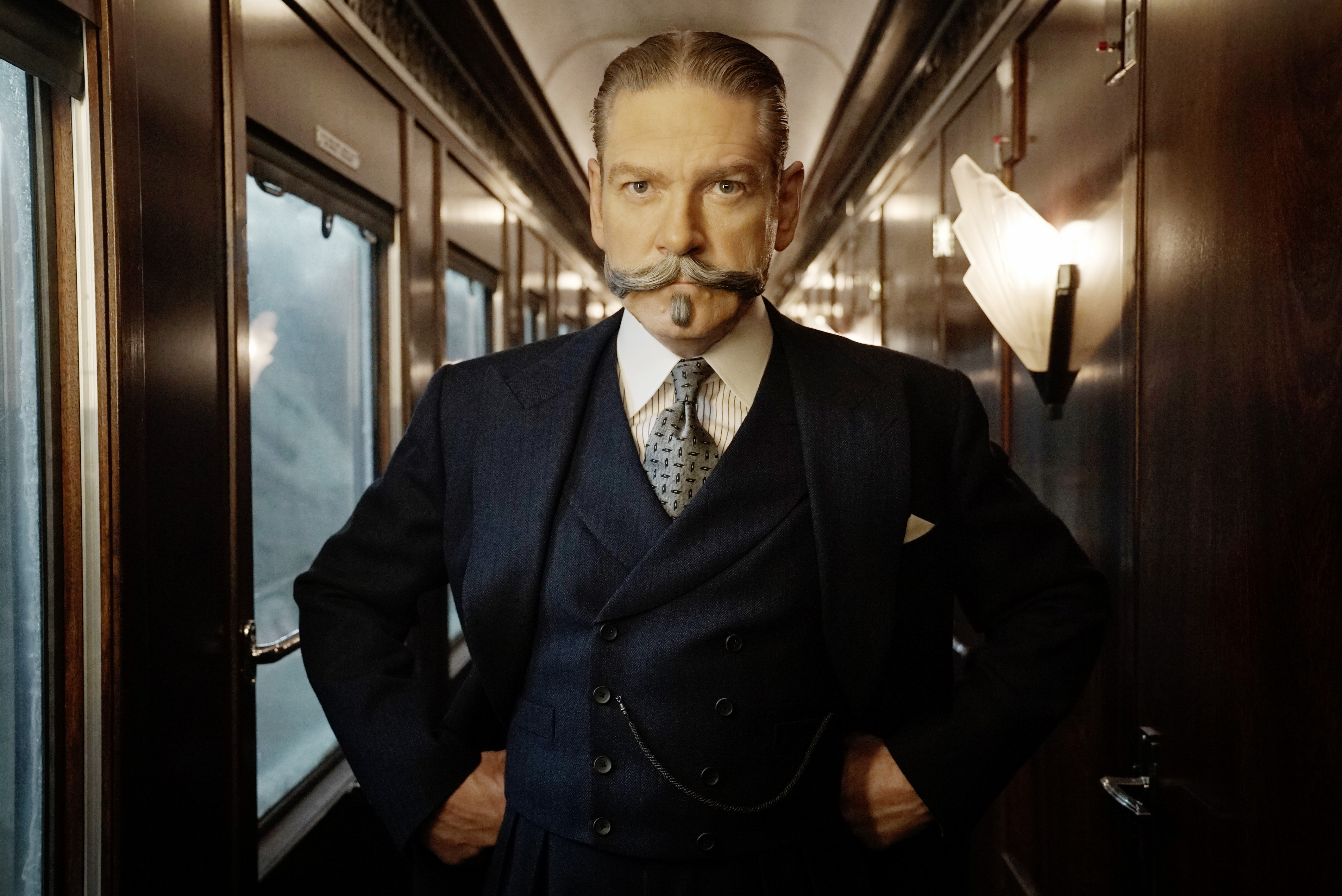
If you think it sounds too good to be true, you are not alone. Hercule Poirot, Agatha Christie’s legendary Belgian detective, also smelled a rat. In The Adventure of the Cheap Flat he rented his own flat in the mansion block, revealing that the Robinsons were actually international spies and thieves.


Mon ami, Montagu Mansions, with its giveaway prices, sadly does not exist. Instead it is a perfect example of where Agatha Christie, the Queen of Crime, who died 50 years ago this year, used her own life and London experiences to influence her fiction. Christie repeatedly used the capital’s grand residential streets as shorthand for wealth, privilege and respectability – precisely the qualities that make them such satisfying places to uncover a secret.


The numbers behind Christie are quite staggering. She is by far the world’s bestselling novelist of all time. Her 66 detective tales, 14 short story collections and other writings have sold a combined two billion copies; And Then There Were None alone has sold over 100 million copies worldwide.
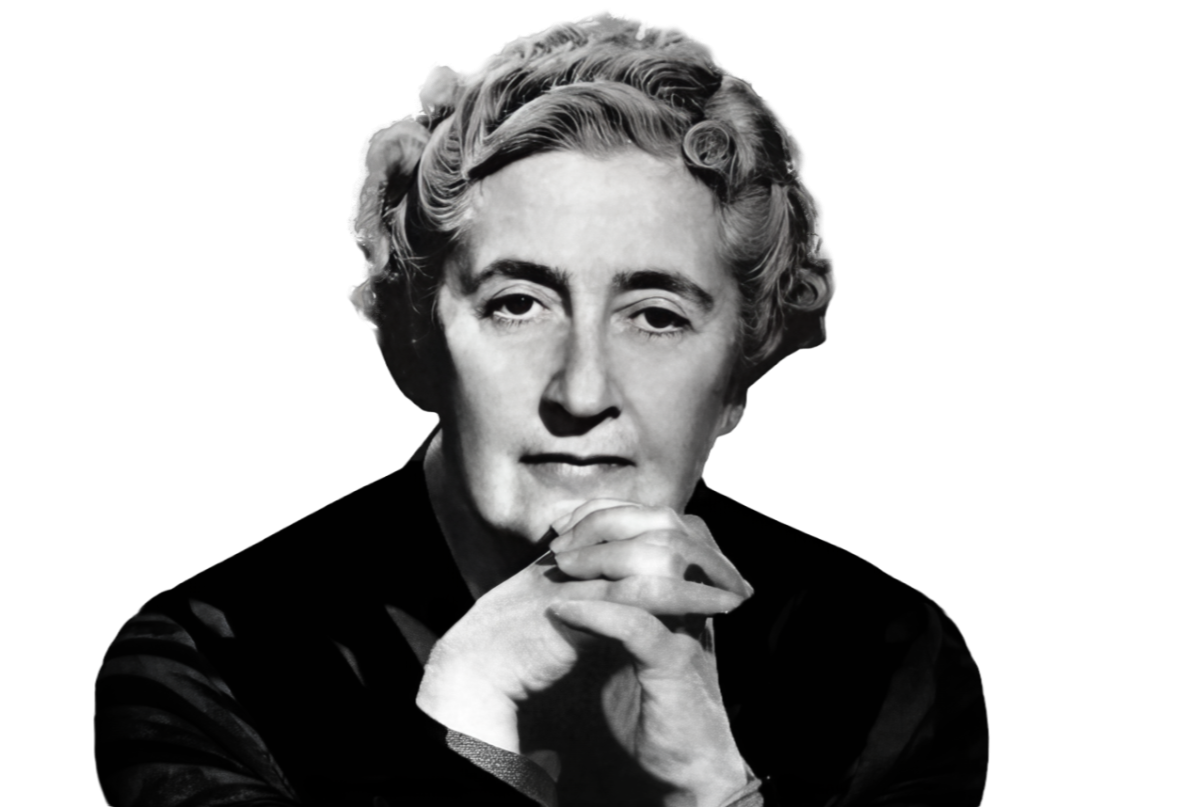
Agatha Christie, Image: © The Christie Archive Trust/© 20th Century Studios

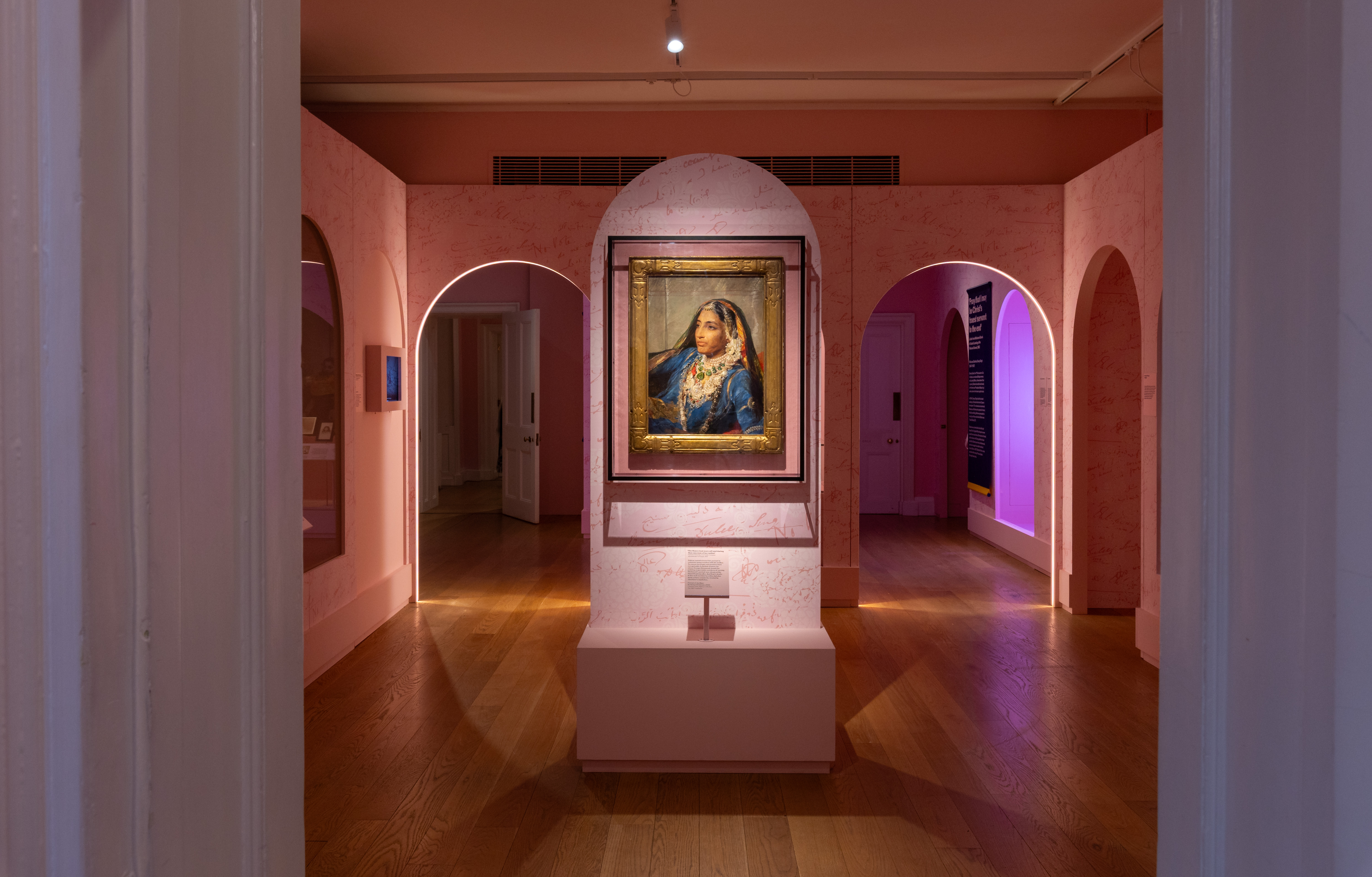
This autumn the British Library is staging a major exhibition, Agatha Christie: A World of Mystery, that looks at the many faces and facets of this extraordinary woman. She was not only the retiring, respectable author of popular imagination, but also a skilled pianist, linguist, surf lover, photographer, traveller and archaeologist.

“Agatha Christie had an extraordinary life for a woman of her time and wrote right up to her death in 1976,” says the exhibition’s lead curator, Lucy Rowland. “She set her stories in the time she was writing them and produced a body of work which spans much of the 20th century, not just the 1920s and 1930s as many might assume from some of the screen adaptations of her work.”

Rowland was given unique access to Christie’s private archive when gathering personal objects for the exhibition, many of which have never been displayed before. They include her notebooks, containing ideas for stories, character lists, notes on poisons and deliberations on who the victims and murderers would be, as well as letters, photographs and personal possessions. 

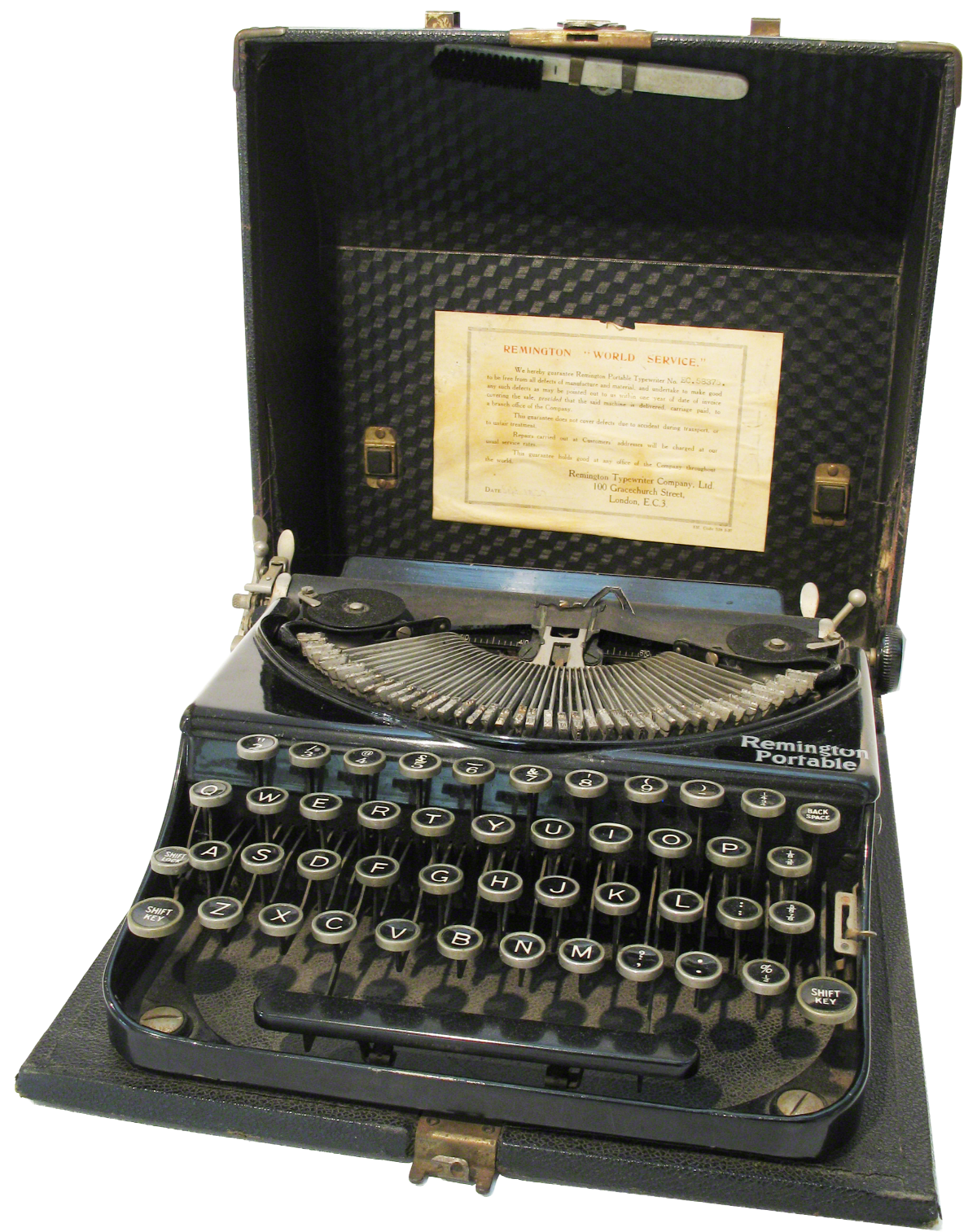
There is Christie’s Remington typewriter from 1937 (said to have been used to write And Then There Were None), family photographs from her time in Hawaii, Egypt and southern Africa and personal letters, including one to her second husband, Max Mallowan, about her journey on the Orient Express.

Christie’s Remington typewriter from 1937

Rowland’s particular favourite is a coat of woven black silk and cotton. It began life as a pair of abayas; traditional loose-fitting Arab robes that Christie bought in Syria during her long spells in the region working on archaeological excavations with Mallowan.

“Christie brought the robes back to England,” says Rowland, “where they were tailored into a more European fit at the shoulders and arms. The coat became a beautiful reminder of her life in the Middle East and it was this garment that she chose to wear to the premiere of her play The Mousetrap in 1952. We want visitors to leave eager to explore or revisit Christie’s stories, which means the biggest challenge was in selecting and displaying this exciting material without revealing any plot spoilers.”

Those stories, the whodunnits that are seemingly so simple and yet often so fiendish in their creation and execution, lie at the heart of Christie’s enduring appeal. She knew the streets, squares, shops and stopping points in and around Belgravia and Knightsbridge well. They were the backdrop to important periods of her life and yet, in her hands, London is recognisable but never entirely trustworthy. A smart address does not guarantee smart behaviour.

The great detective writer was born Agatha Miller in Torquay, Devon on September 15, 1890. She had a prosperous, insulated childhood that included pleasant trips to London to visit her grandmother, known affectionately as Auntie-Grannie. This indomitable woman, later the inspiration for Miss Marple, lived in Ealing and would take her on shopping and sightseeing trips to the West End. The young Agatha particularly loved the Army and Navy Stores, located on Victoria Street, and Harrods.

The Knightsbridge store appears as a footnote in the unsolved case of Christie’s 11-day disappearance in December 1926. After just over a decade of marriage to a dashing airman called Archie Christie, Agatha – by then a blossoming author – sparked a media frenzy when her car was abandoned near a disused quarry and she was nowhere to be found. Behind the scenes lay a furious row with her husband in which he announced his intention to leave Agatha for another woman. The author, claiming amnesia, was eventually tracked down to a hotel in Harrogate where she had checked in under the name of Teresa Neele. A week before this mystery unfolded, she had lost a diamond ring during a visit to Harrods. She wrote to the store under her assumed name and asked for the ring, if found, to be reunited with her in Harrogate. Apparently it was.

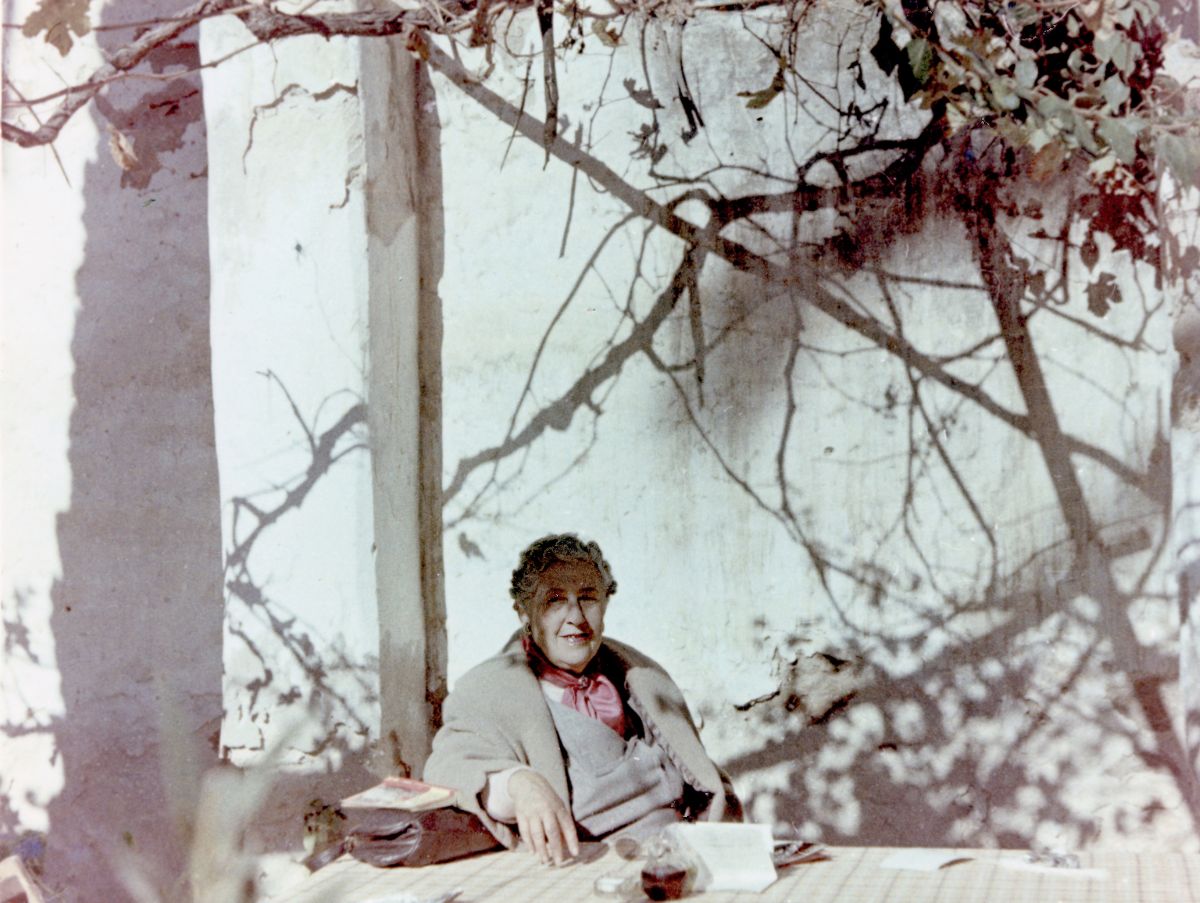
Christie relaxing during a sightseeing tour, Tajoura, Libya, 1955

Agatha and her first husband separated but she kept his surname. She forged a new life and happily remarried in 1930. In doing so she lived and wrote in a series of homes in the wealthy areas of west London from the late 1920s until the 1940s: 22 Cresswell Place, 47-48 Campden Street, 58 Sheffield Terrace and, during the Blitz, Park Place behind The Ritz, where the couple dined frequently at nearby Boodle’s, Mallowan’s club.

“There are so many tangible examples of where Agatha Christie’s own experiences were fictionalised in her stories,” Rowland says. “By living in and soaking up the atmosphere of the capital’s wealthy neighbourhoods, Christie had a well of material, always neatly disguised, to draw on. She was a thoroughly modern writer, living through an extraordinary period of social and technological change and writing about the world around her, be it Belgrave Square in Three Act Tragedy or Cadogan Square in The Secret of Chimneys and Sparkling Cyanide.

“There is something for everyone in this exhibition. I hope visitors will leave feeling excited about something new or surprising they have discovered about Christie in the exhibition and talking about which story of hers they want to explore or revisit next.”

Agatha Christie: A World of Mystery is at the British Library until June 20; events.bl.uk

Mayfair Times Newsletter

Sign up to our free newsletter to receive exclusive stories from one of the world’s most affluent communities straight to your inbox