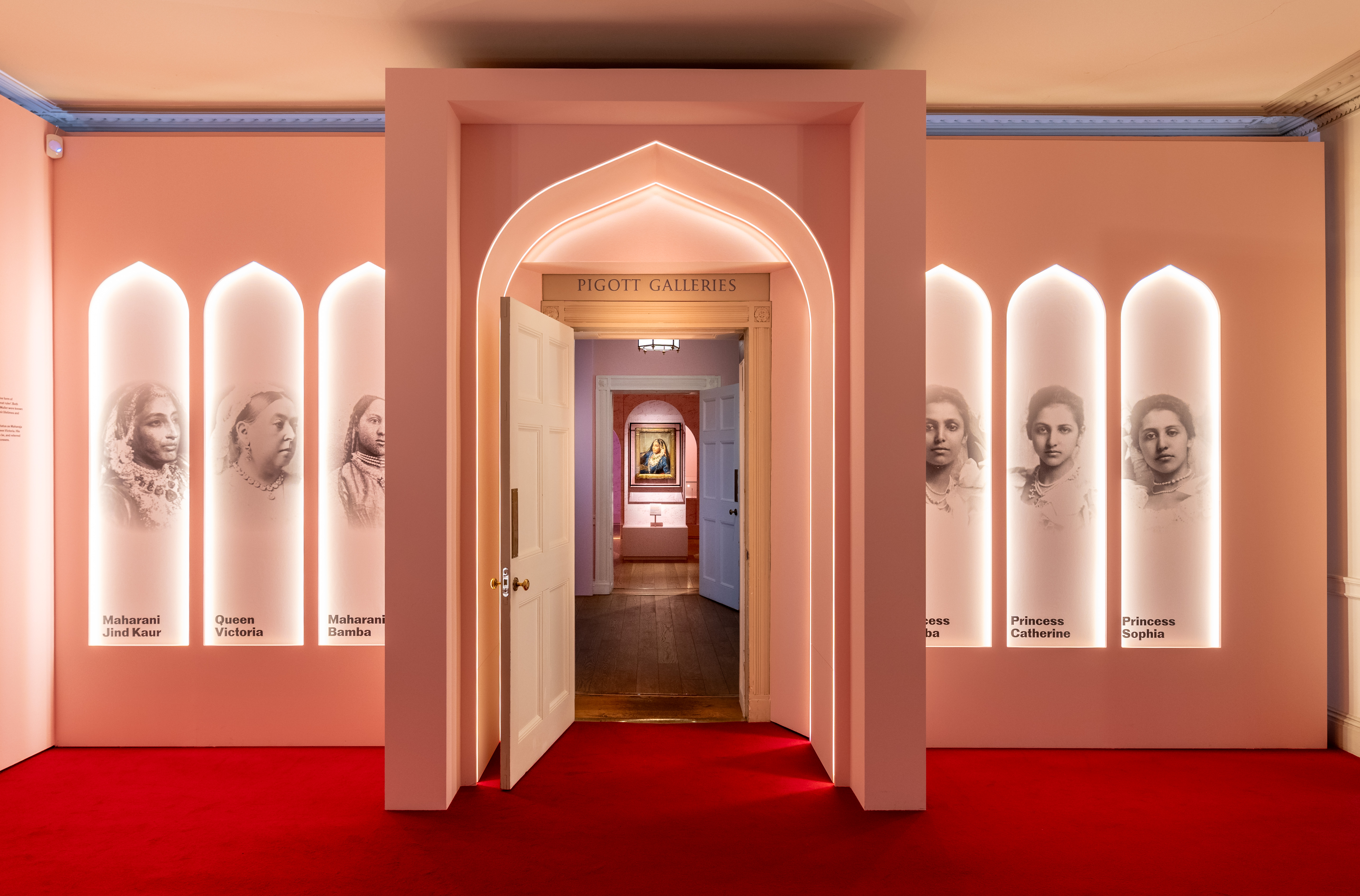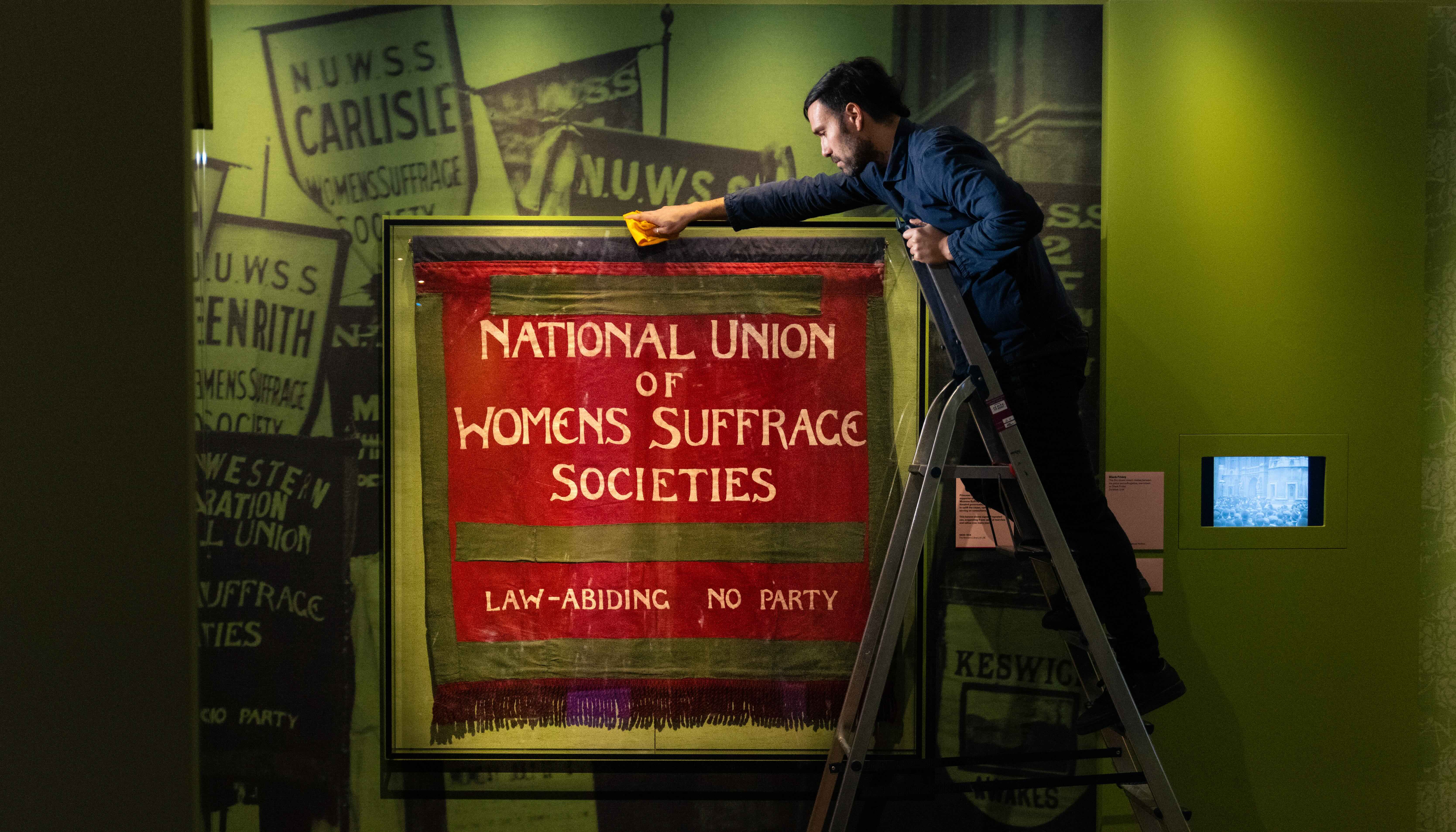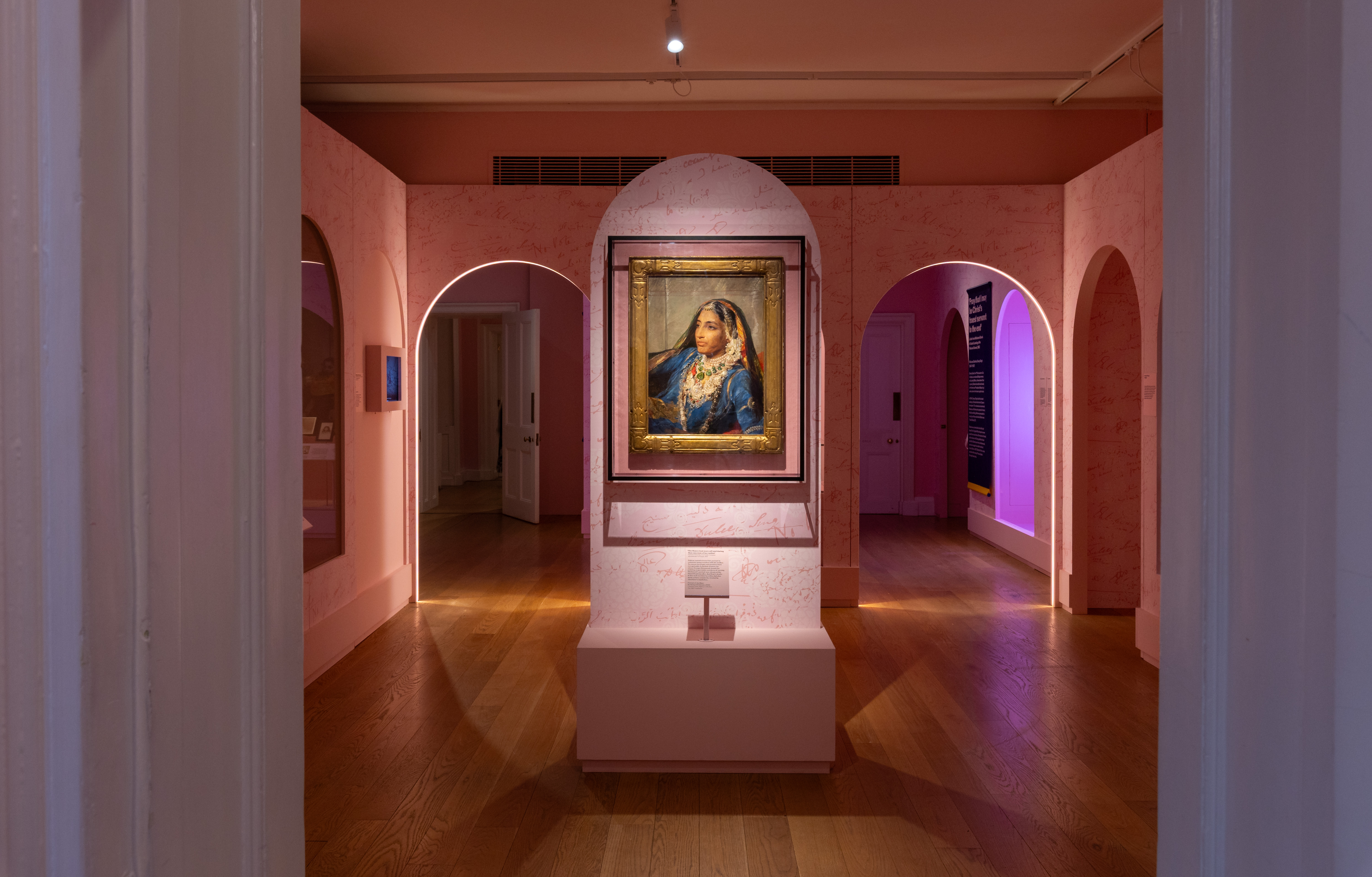
You would think being born into Indian royalty, having Queen Victoria as your godmother and living within the grounds of Hampton Court would encourage a life of indulgence. Indeed, the young Princess Sophia Duleep Singh was steered down this exact path. But gracing the balls of Belgravia and Mayfair as a London socialite was not enough for the determined Sophia; she had other plans. Running until 8 November at Kensington Palace, The Last Princesses of Punjab is the first major exhibition to tell the story of this little-known royal who committed herself to a life as a suffragette.
Marking 150 years since Sophia’s birth, curator Polly Putnam explores a complex identity shaped by Indian, European and African heritage. Born in Belgravia on August 8, 1876, Sophia’s life began on a path that lay in stark contrast to the one that would ultimately define her. Her father was Duleep Singh, the child maharaja who, after losing his Punjab province and the Koh-i-Noor diamond in 1849 to the British, relocated to London in 1854 under the patronage of Queen Victoria.
Sophia spent the majority of her childhood in the aristocratic surroundings of Elveden Hall, Suffolk. She lived a fairytale lifestyle abounding in Parisian dresses, interests in photography and attending glamorous parties. The ornately painted Indian rocking horse and an Ottoman-style three-piece outfit on display in the exhibition evoke the opulence of her time there.
Yet despite this idyll, the India Office maintained strict surveillance over the family owing to fears of political activism. After her father’s desertion and death in 1893, Queen Victoria granted her goddaughter a grace-and-favour apartment at Faraday House on the Hampton Court estate. As Sophia grieved, her perceived threat of sedition lessened. This underestimation was a significant misjudgement.