A Mallorcan farmhouse turned boutique retreat Son Molí Country House is a contemporary hotel with an old soul
Words: Will Moffitt
All great hotels have a great entrance. There’s nothing quite like driving through an avenue of olive trees or arches of topiary or gilded gates, as you arrive somewhere new and exotic for the first time.
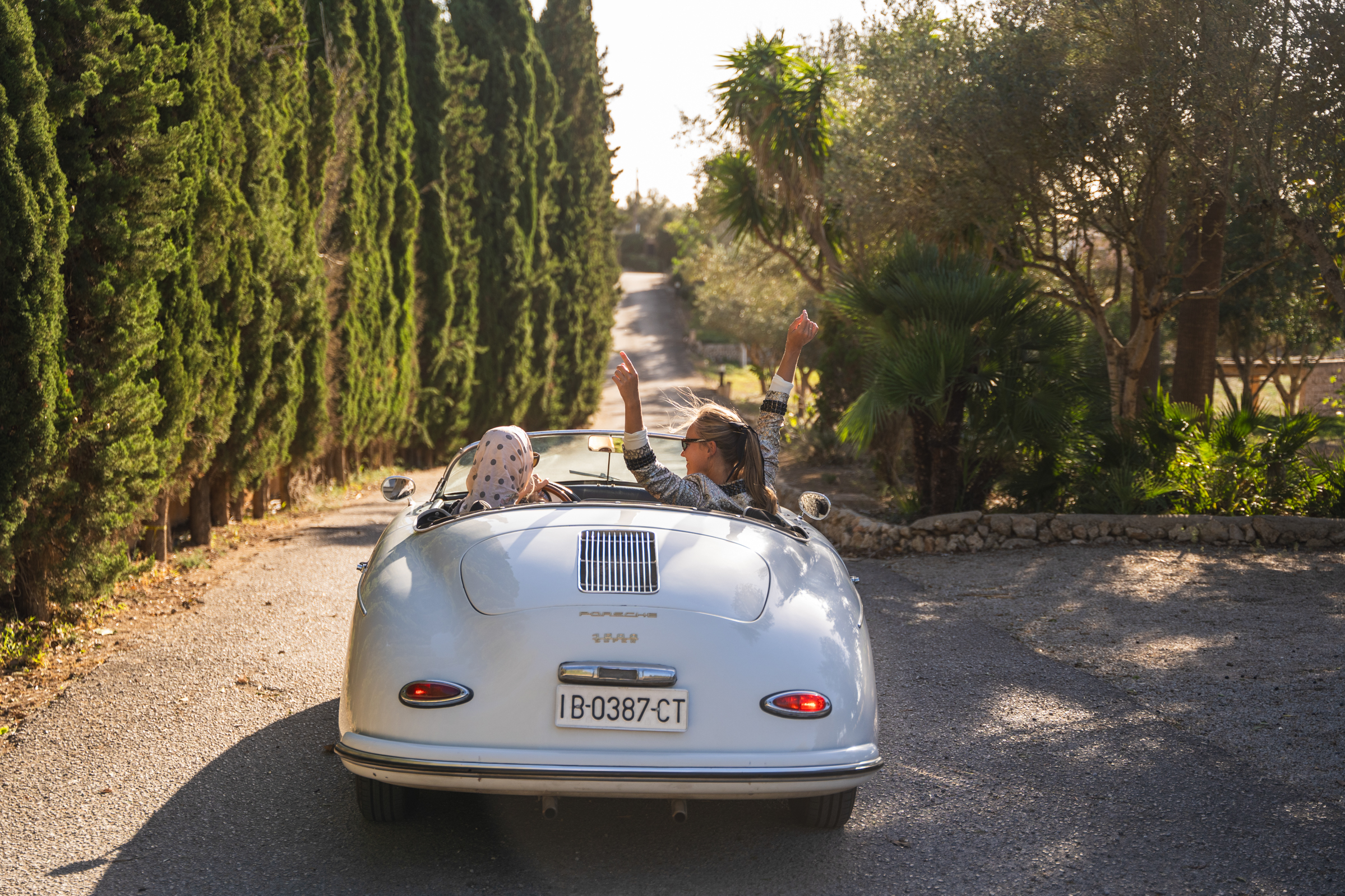
A beckoning corridor of pruned hedgerows and palm trees, framed by stone walls crawling with bougainvillea, Son Molí Country House is a classic of the hotel driveway genre. The immediate impression is of being somewhere very old that has been lovingly restored rather than forced to submit to the demands of the present.
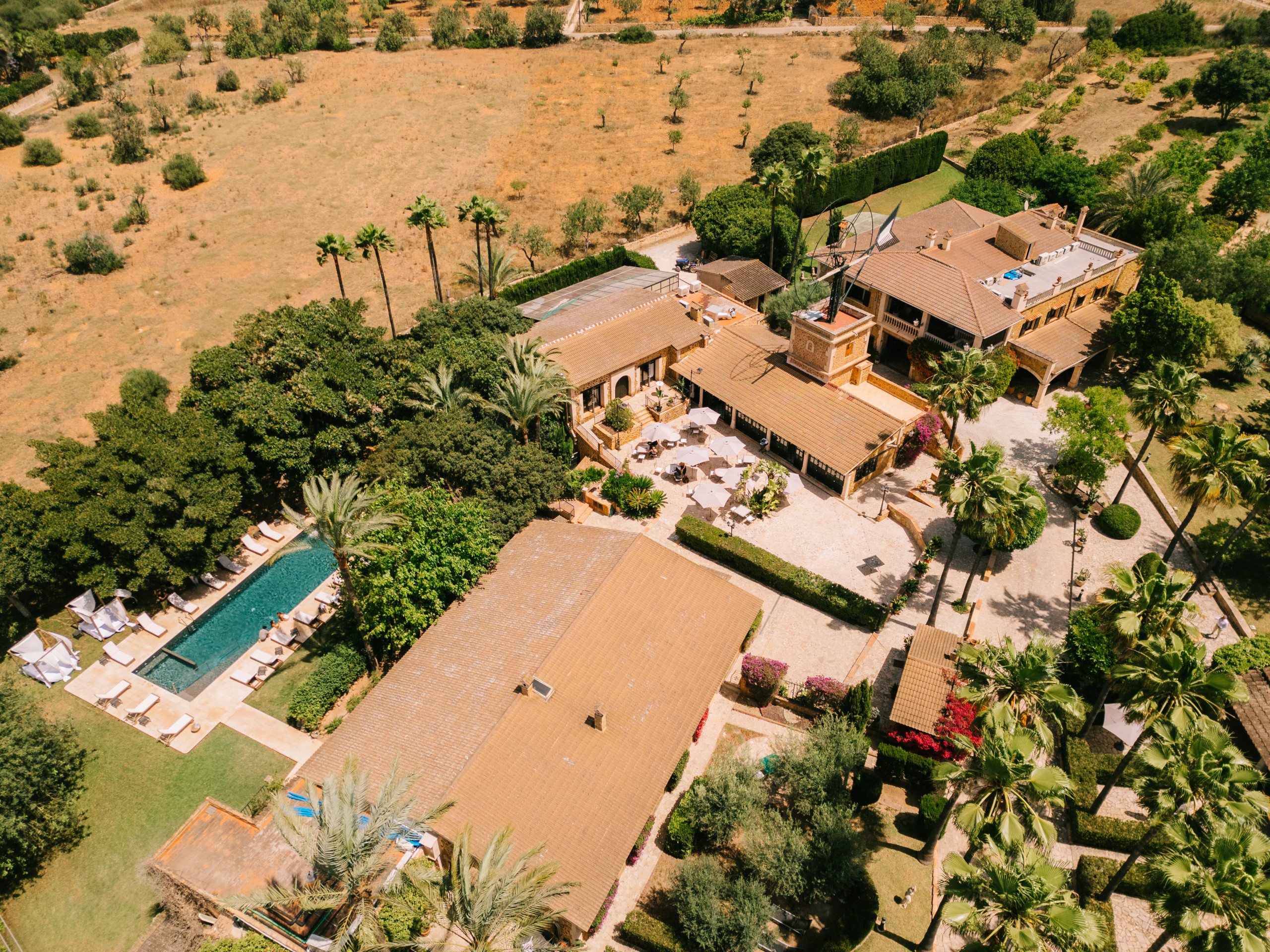
Just a 15 minute drive from the Balearic capital of Palma, Mallorca, this idyllic country estate is a boutique 22-bedroom hotel nestled in ‘Pla’, a flat plain of Mallorcan countryside known as the orchard of Palma. Son Molí is the sister property of Can Bordoy Grand House and Garden – a luxury hotel in the capital carved out of a 16th century nobleman’s home that has won lavish praise since it opened in 2019.
Owner Mikael Hall is clearly drawn to the task of reviving beautiful old buildings. Under his stewardship historical quirks and blemishes are preserved so his hotels are layered with hidden pockets of heritage and – in communal areas – proud displays of history.
Set within a converted farmhouse that dates back to 1897 and tucked away in fields crowded with citrus trees, where the oranges come freshly squeezed and the cicadas sing nightly serenades, Son Molí is a rustic Balearic refuge. As the handwritten letter in my room puts it: ‘the soul of 19th century Mallorca lives on [here] in quiet harmony with modern elegance’.
Below: the driveway to Son Molí, and a birds eye view of the hotel
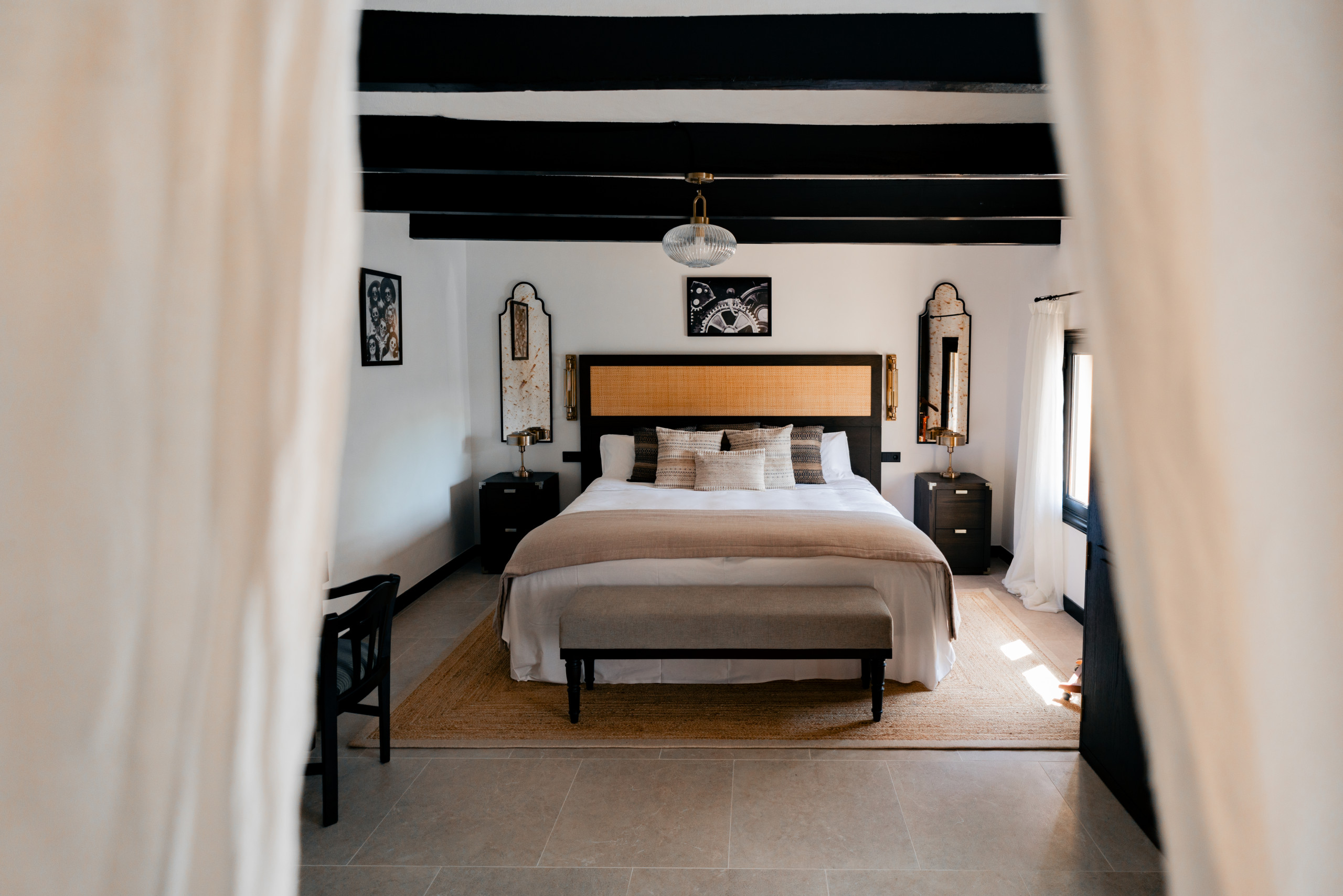
My Deluxe Pool House room embodies those elegant but understated principles – the high beamed ceilings and walk-in emerald stone shower feel luxurious but the worn antique mirrors and textured rattan rugs are in keeping with the lived-in feel that Son Molí wants to evoke.
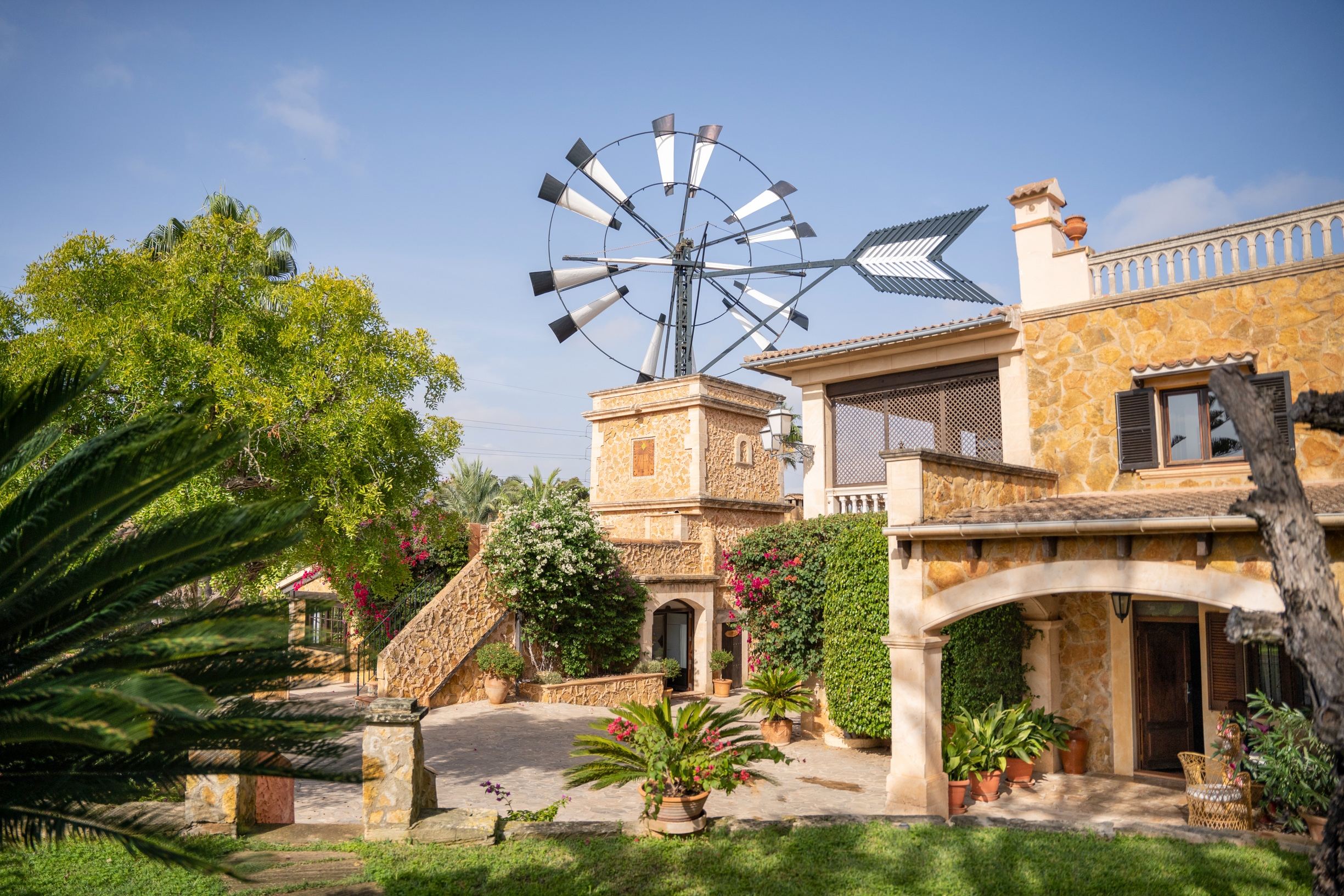
Architecturally the layout of the hotel is much the same: buildings are crafted from exposed wooden beams, dry stone walls and open fireplaces. A traditional windmill, from which Son Molí takes its name, has been carefully reinstated so it can loom nostalgically over the central dining spaces.
Run by chefs Lucía Cárdenas and Andrés Benítez, the hotel’s cuisine is simple but delicious, drawing on local herbs and seasonal produce, and with dishes like chilled almond soup served with grapes and Majorcan sabrosada, and a confit red mullet sourced from a local fish market accompanied by vegetable pisto, the menu is inventive enough to keep you guessing.
Below: the central complex and restored windmill through which Son Molí derives its name, and the premium hotel suite
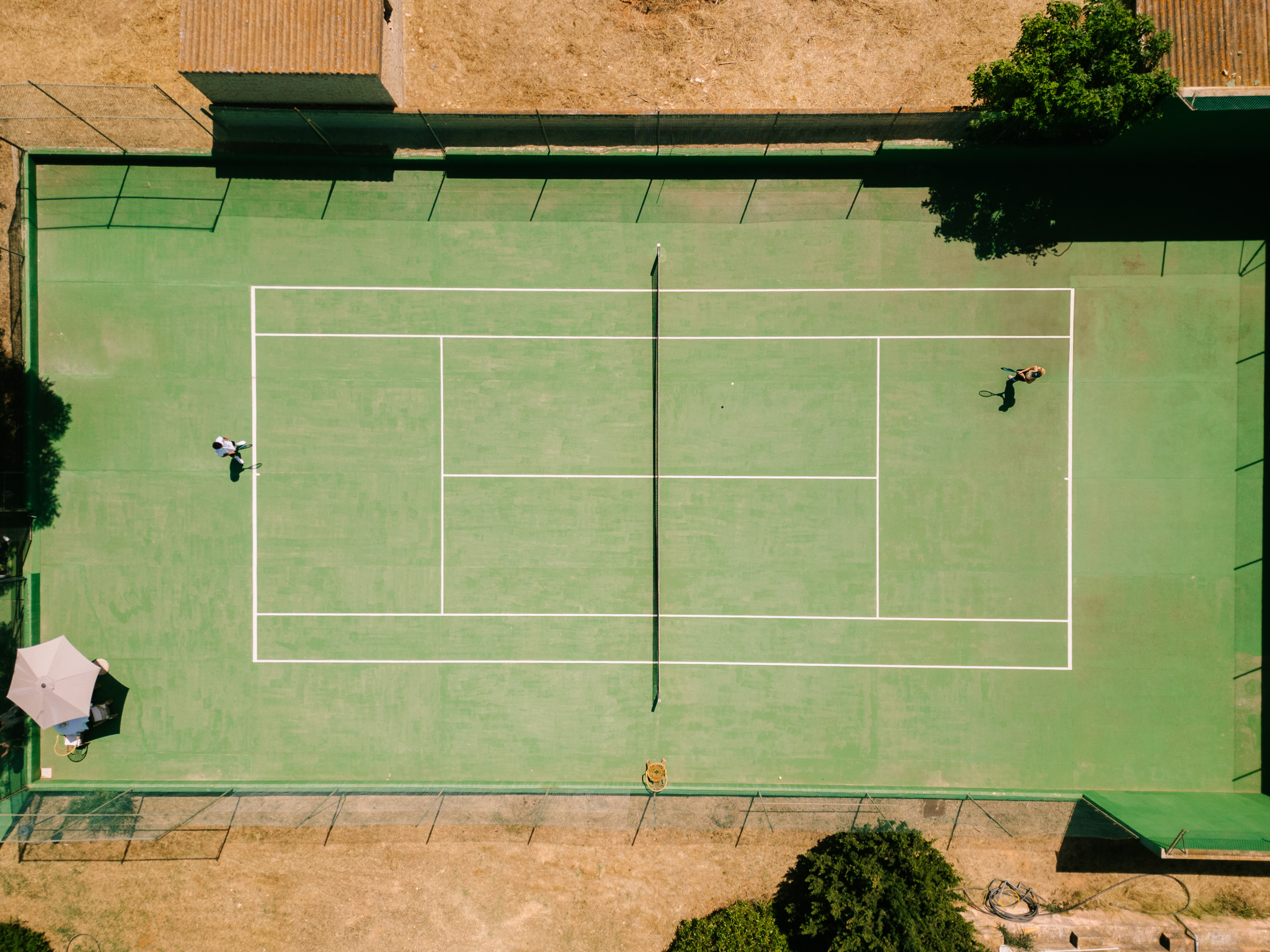
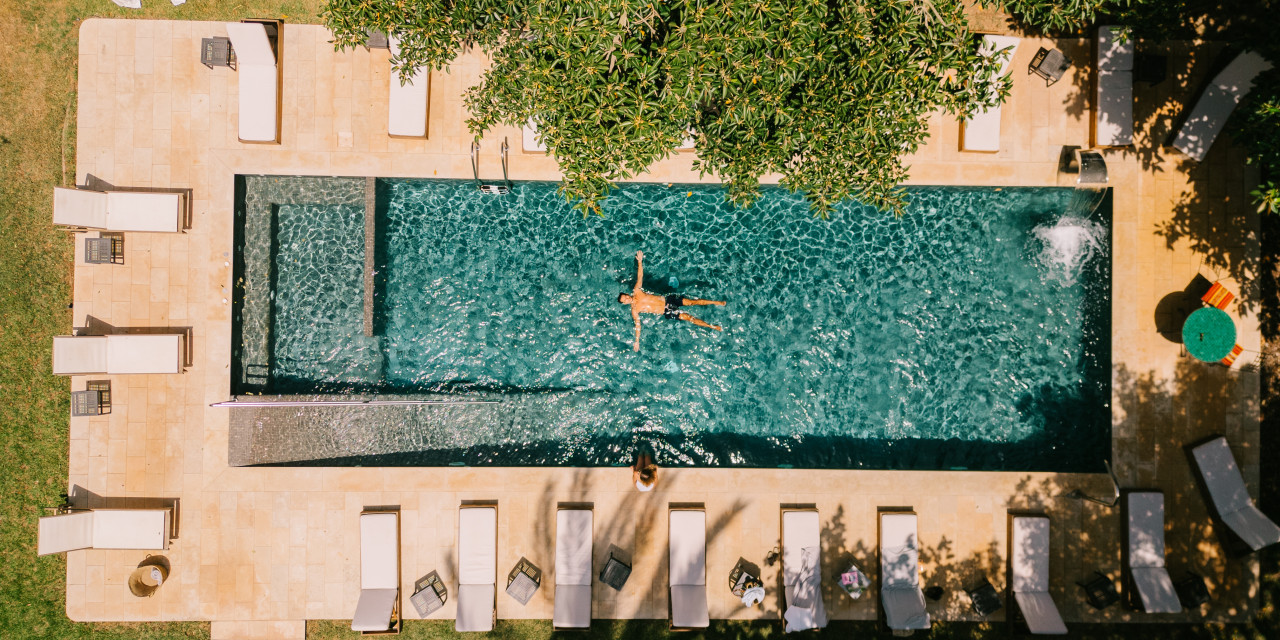
Days at Son Molí beat to a Mediterranean rhythm with most guests circling the outdoor swimming pool, a lovely place to lazily sip a cocktail and bathe tippsily in the Mallorcan sun. More proactive visitors can explore the estate by foot and bike, or play tennis or take a yoga class in the gardens. Olive oil tastings and culinary masterclasses are also offered, as are open-air painting classes by local artist Pilar Garcia.
At Sonmo, an olive oil factory a half hour drive from Son Molí set amongst the craggy forms of the Tramuntana mountains, you can see this ancient Mallorcan craft up close. For 15 years co-founder Joe Holles, born in England and raised in Valldemossa, has sought to preserve and delicately evolve the art of olive oil growing. “We’re trying to rethink traditions to make them viable again in the 21st century,” he tells me. “How do we regenerate the best of our culture and traditions with technology?”
On a winding drive through mountainous terrain past teal-shaded olive trees, lush orchards, neat walled gardens and old brick farms with stables with white horses, we learn about the estates’ forebears: the powerful Moragues family and former owner: the mysterious archduke Salvador. “It’s a story of how people tamed a very inhospitable part of the island,” Holles says. “You can’t just preserve a cultural landscape by putting it in a glass case.”
Back at Son Molí that feeling of staying in a place animated by and proud of its history feels more acute. Holles and Hall have very different jobs, yet they both seem to be aiming for the same thing.
sonmoli.com