On the centenary of Marilyn Monroe’s birth, an exhibition at the National Portrait Gallery will explore her life and legacy
Words: Jonathan Whiley
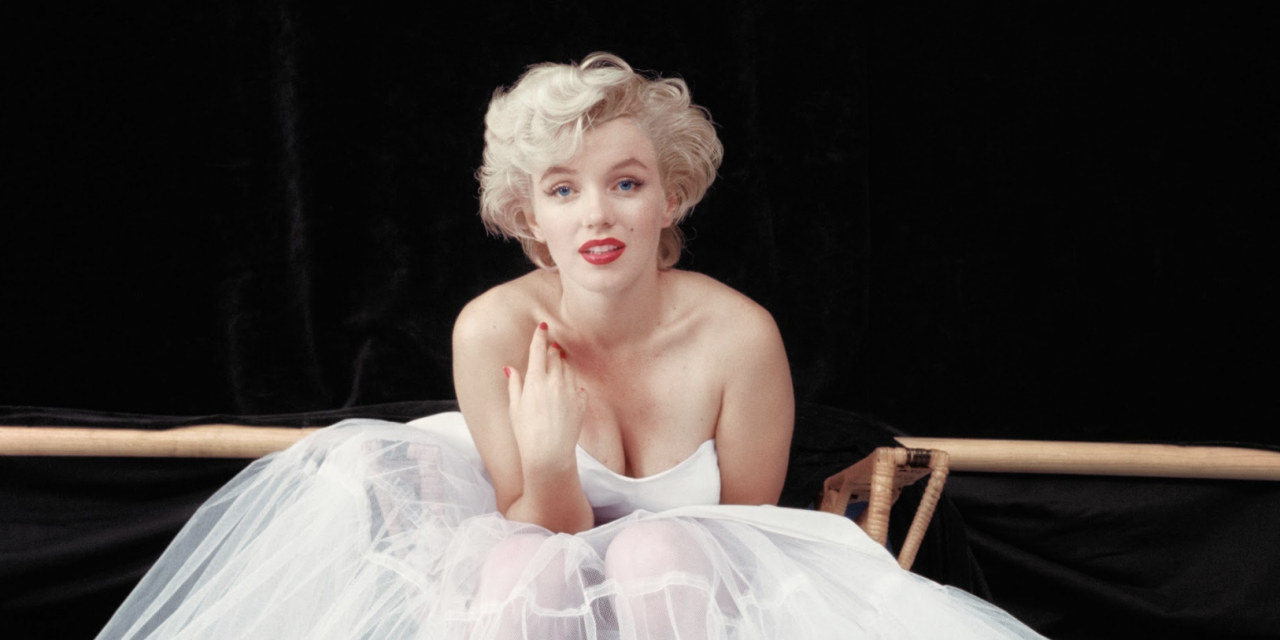
More than 60 years after her untimely death, Marilyn Monroe – the enduring sex symbol and original “blonde bombshell” – continues to have a magnetic hold over the public consciousness.
One of the most famous women of the 20th century, the Hollywood screen siren who captivated audiences and presidents alike (famously with a breathless, sultry rendition of Happy Birthday to You sung to John F Kennedy at a gala dinner in 1962) was also one of the most photographed.
Now, to mark what would have been her 1ooth birthday, the National Portrait Gallery is staging a landmark exhibition, Marilyn Monroe: A Portrait, exploring her life, career and legacy. It will feature portraits created by many of the greatest photographers and artists of the 20th and 21st centuries, including Andy Warhol and Richard Avedon, and explore the role she played in her own iconic image and how she inspired photographers and artists during her lifetime.
“Monroe's legacy operates on several levels simultaneously,” says Rosie Broadley, the exhibition's curator, joint head of curatorial and senior curator of 20th-century collections at the gallery. “She remains one of the most recognisable people in modern history, a shorthand for glamour, and her image continues to inspire artists across the world in ways that are still evolving. But I think her deeper legacy is that she has become a kind of lens through which successive generations examine broader ideas about beauty, power, gender, race and class.
“The artists in this exhibition are not simply celebrating her; they are using her image as a means to interrogate the world that made her and, in some cases, destroyed her. That she can sustain that weight of meaning, across more than 60 years, speaks to something extraordinary about both the woman and the moment she inhabited. She was ahead of her time in ways she may not even have fully recognised herself and I think that is why she continues to matter.”
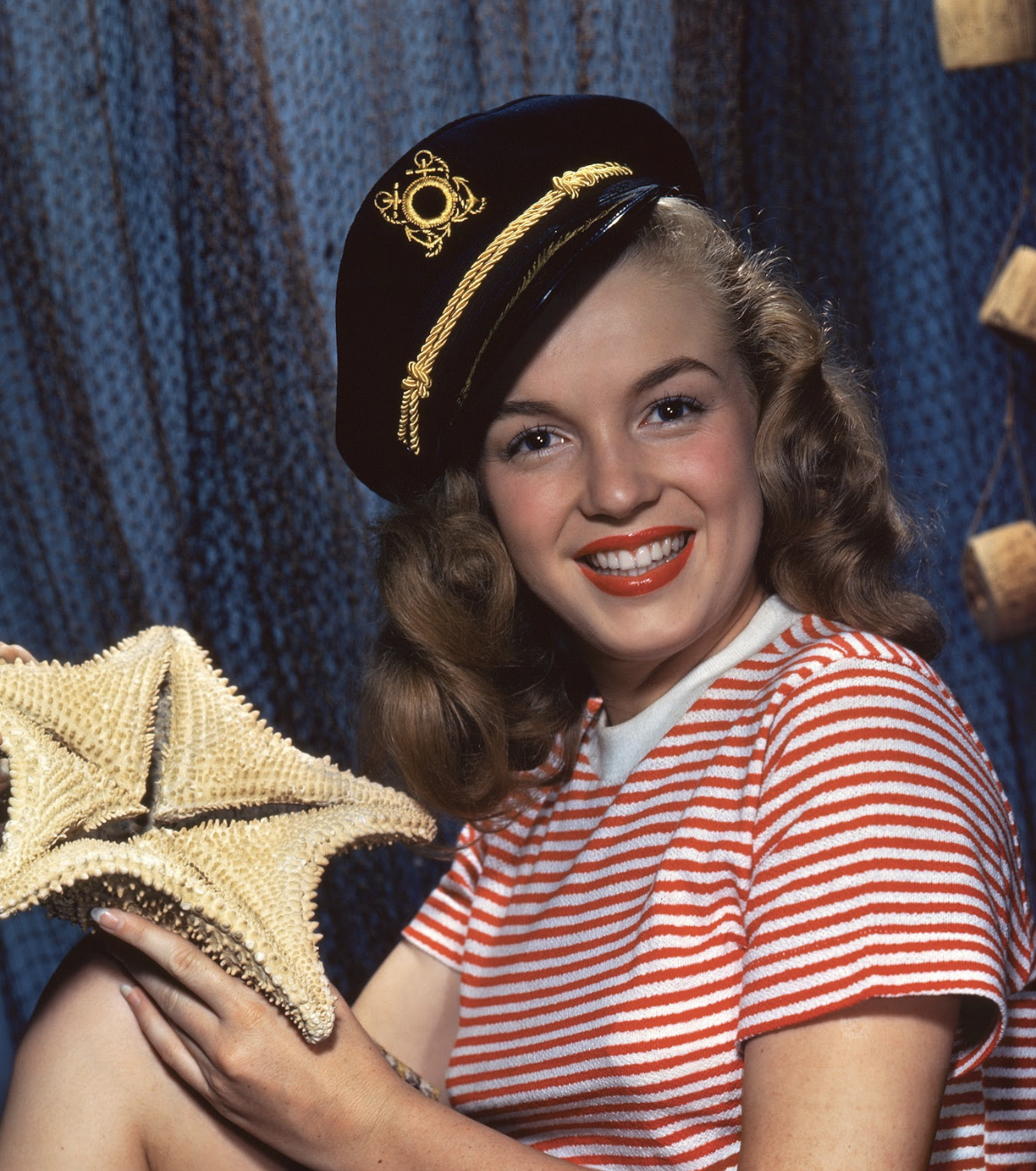
The exhibition features photographs by more than 20 era-defining photographers, from Cecil Beaton to Milton Greene. It spans Monroe's earliest pin-ups when she was a young model named Norma Jeane to her last interview for Life magazine and final, poignant images taken on Santa Monica beach in 1962. She died on August 4 the same year, from a barbiturate overdose at the age of 36.
Given the wealth of material available, Rosie says that although the gallery's focus was on the artworks, it also wanted to trace Monroe's biographical story through the portraits. “We want visitors to understand how her image was made and how it was used.”
She says a significant amount of visual art associated with Monroe was made posthumously and says it was important that the team did justice to “her intelligence and humanity” and not just her beauty.
Did Rosie's view of Monroe change while working on the exhibition? “The admiration I had for her before I began this project has only grown,” she says. “I came to understand more fully just how much intelligence and agency she brought to the construction of her own image. She was not simply a passive subject. She was adventurous and inventive in front of the camera, she had strong views about how she wanted to be seen and she was deeply interested in the arts more broadly.
“Working through the material, I was also struck by the artists who made Monroe their subject in the years after her death, particularly the feminist artists of the 1970s and 1990s who brought fresh and sometimes uncomfortable perspectives to bear on how she had been treated and how she had been seen. Spending time with all of that work gave me a more nuanced, and in some ways more difficult, sense of her life and legacy.”
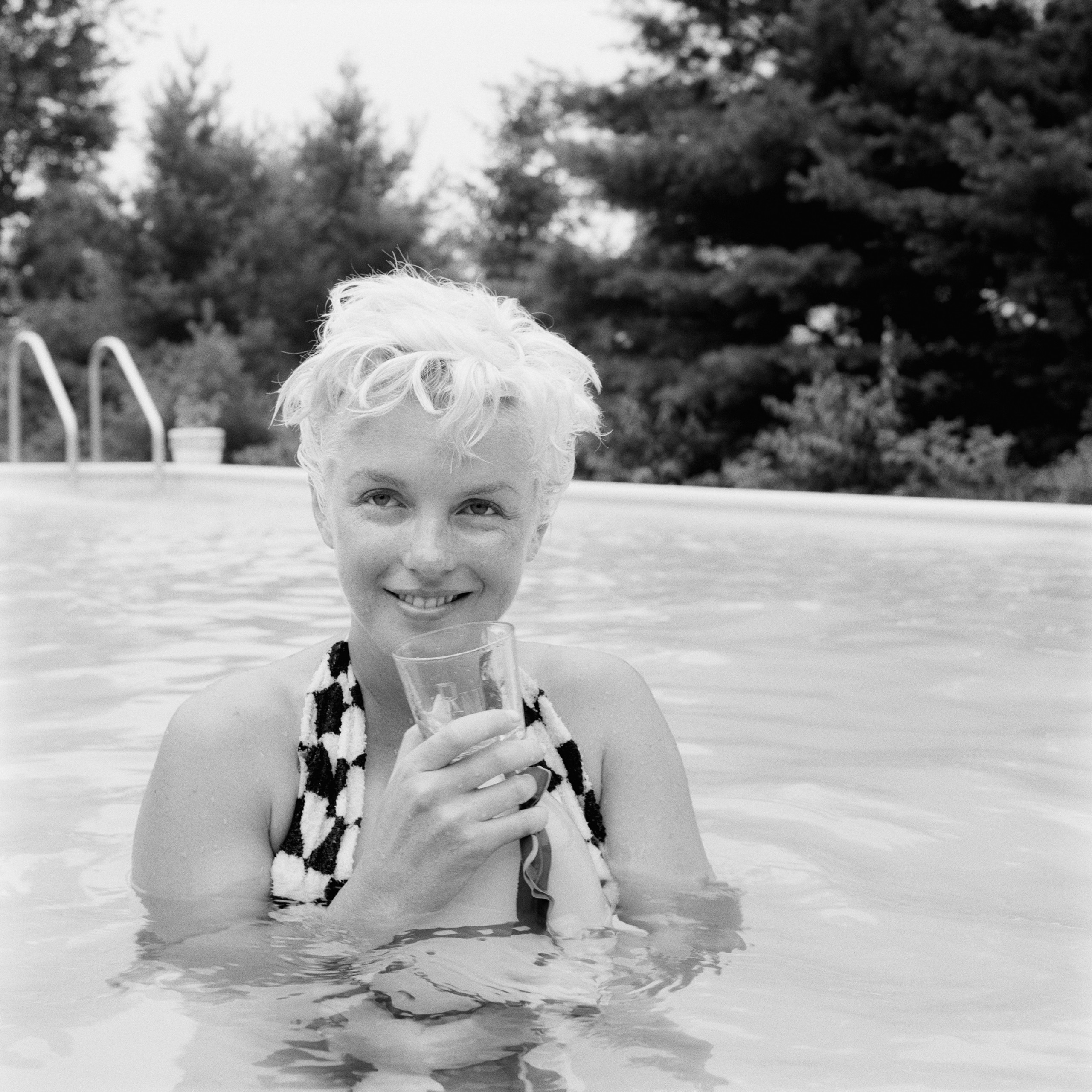
Of all the portraits, Rosie says the André de Dienes photographs of a young Norma Jeane hold a particularly special place for her. “They are so different from the type of Marilyn Monroe pictures people expect,” she says.”De Dienes asked her to express different emotions, and they read poetry together and acted it out, and what you see in those images is something remarkably open and unguarded.
“They show a young woman of real depth and imaginative life. There is a tenderness and beauty to them that I find deeply moving, and they feel important to the story we are telling about who Monroe was.” A century on from her birth in Los Angeles in 1926, what is it that continues to fascinate and captivate the public about Monroe? For Rosie, it's an “inimitable combination of qualities”.
“Iconic beauty, yes, but also attitude, intelligence, strength and humanity,” she says. “She overcame poverty and an extremely difficult childhood to achieve the fame she craved, often in the face of resistance from the Hollywood studios, and I think that story of resilience and ambition resonates as powerfully now as it ever did.
“She also had an extraordinary relationship with the camera.Photographers who worked with her describe how she gave her all, whether she was consciously posing or caught off guard. That generosity, that aliveness in front of a lens, translates across decades. There is also something genuinely complex about her: she both defined and challenged the era in which she lived, and that tension between the image she projected and the person she was continues to draw people in. She is not simply an icon you can reduce to a poster or a silk screen, though of course she has been both. The more you look, the more there is to find.”
Marilyn Monroe: A Portrait runs at the National Portrait Gallery from June 4 to September 6