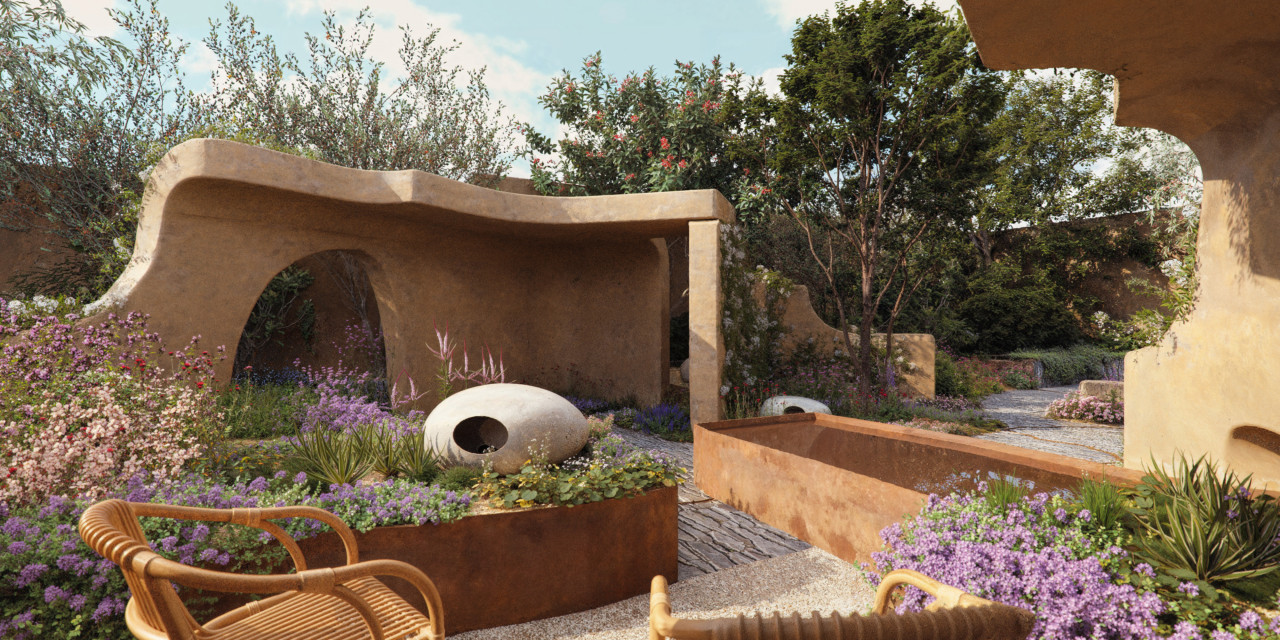
The Lady Garden Foundation’s entry at this year’s Chelsea Flower Show aims to spark conversations and raise awareness around gynaecological cancers. Co-founder Tamara Beckwith tells us more
Words: Selma Day
Gynaecological cancer charity the Lady Garden Foundation has commissioned Chelsea Flower Show gold medal-winning designer Darren Hawkes to create its Silent No More garden for next month's event. The charity's mission is to break the taboos around gynaecological health, fund cutting-edge research and ensure women in the UK recognise the symptoms of the five gynaecological cancers (cervical, ovarian, womb, vaginal and vulval).
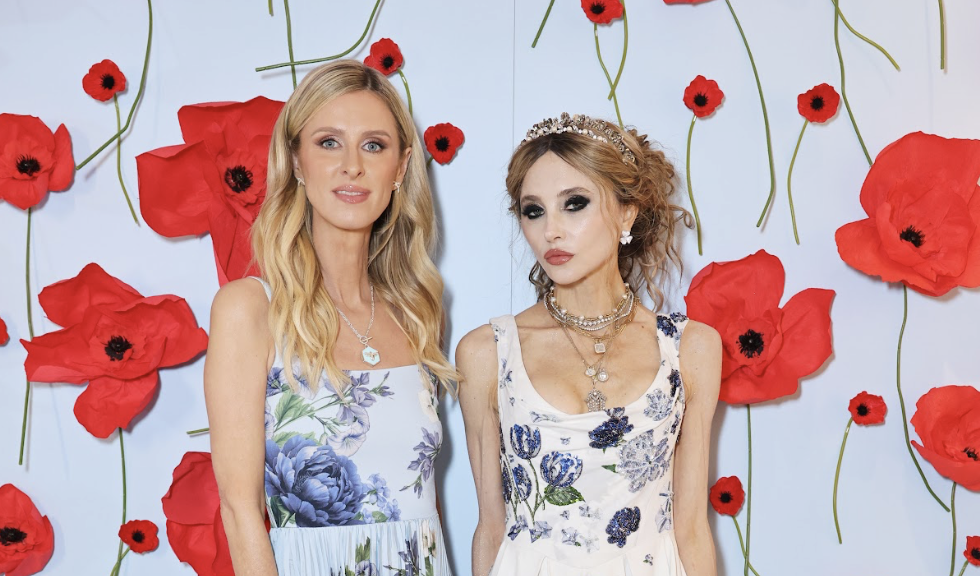
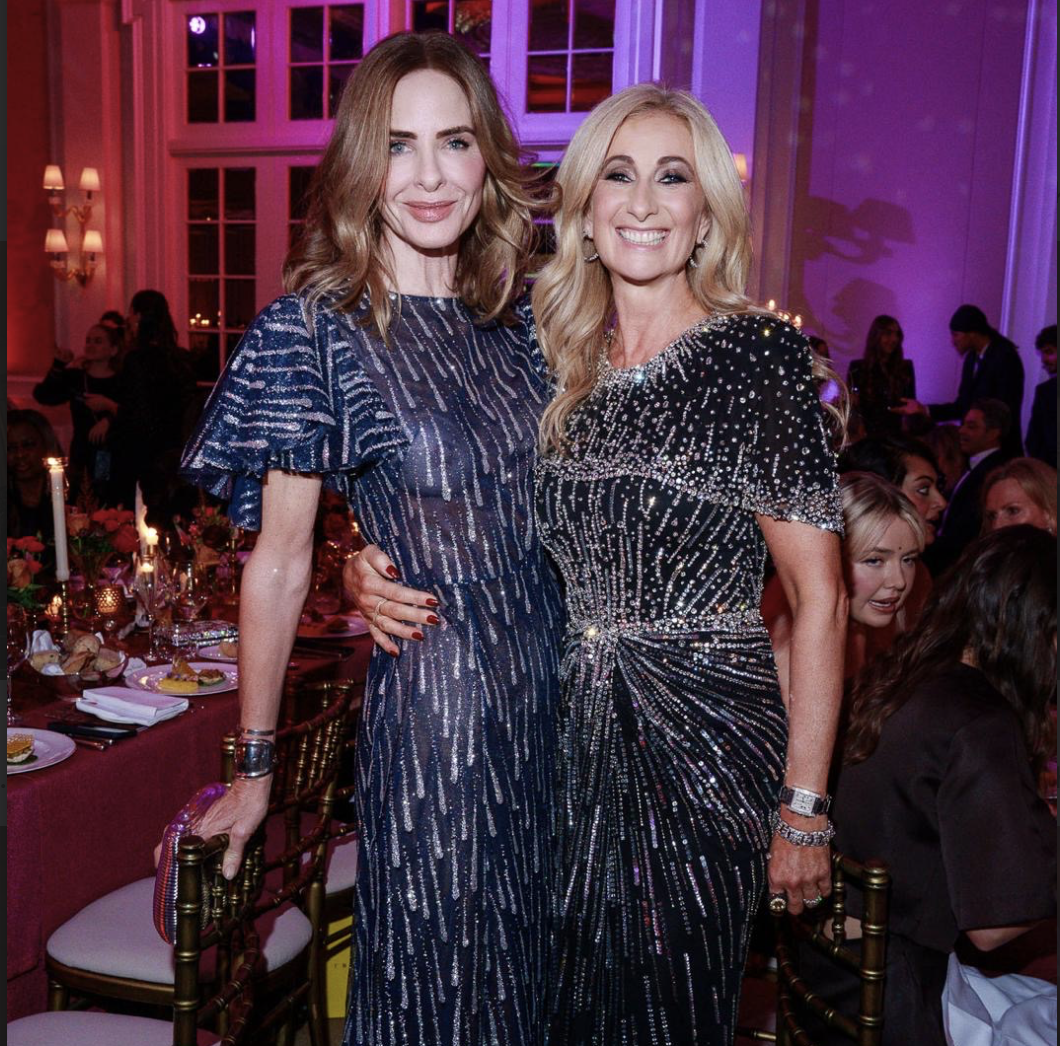
Every day, 60 women in the UK receive the life-changing news of a gynaecological cancer diagnosis and 21 will die of one of these cancers. The UK is lagging behind other countries in the early diagnosis because of stigma, low awareness, misdiagnosis, procrastination and overlooked symptoms. Tamara Beckwith, whose career includes writing, TV presenting and consulting for luxury brands, co-founded the Lady Garden Foundation in 2014 after her mother Paula's death from endometrial cancer at the age of 68 in 2011.
The charity initially funded groundbreaking research into the treatment of the five cancers at the Royal Marsden NHS Foundation Trust. Over the past 10 years, working with a network of generous donors, charity partners, trustees, ambassadors, universities, schools, fundraisers, patients and brand partners, it has developed a roster of events, education programmes, awareness campaigns and ongoing funding for a host of cutting-edge research projects with global impact. Tamara is, of course, no stranger to Mayfair.
The annual Lady Garden Foundation gala started life at Claridge's (“my mum used to love Claridge's”) before outgrowing the space and moving to other larger venues, most recently The OWO. She has also worked with several Mayfair brands over the years, and cites Misela – an Istanbul-based luxury handbag and accessories brand in Mount Street – as a big supporter of the charity. She is collaborating with the founder Serra Türker on a special commemorative pouch for the Chelsea Flower Show.
Tamara feels strongly that awareness of gynaecological health is crucial, alongside raising much-needed funds – and what better platform to do this than the Chelsea Flower Show? “I live in Chelsea and you just see all of these people from all over the world,” she says of the flower show. “More importantly, they come along and they meet their friends outside Victoria station or Sloane Square tube station.
And however they are going to do the day, whether they are going to go to a beautiful restaurant or they've brought a sandwich in their backpack, they come and it's like an annual pilgrimage. And these are the people we want to reach. Our message is all about awareness and about educating. It's not just for our elite friends.” Another catalyst was the death of Emily Plane, one of the foundation's ambassadors, at the age of 23 after a five-year battle with ovarian cancer.
“Emily was a force of nature and we fell in love with her for her sheer bravery, mischievous nature and blind determination to live her life to the fullest,” says Tamara. “She had been misdiagnosed multiple times because she was young and they didn't find out before it was too late.” It's a familiar story, sadly, with many gynaecological cancers often misdiagnosed or diagnosed late because of lack of awareness or shame. As for the garden, one of the main objectives for Darren was to create something that would shine a spotlight on women's gynaecological health in a way that felt safe, welcoming and emotionally supportive.
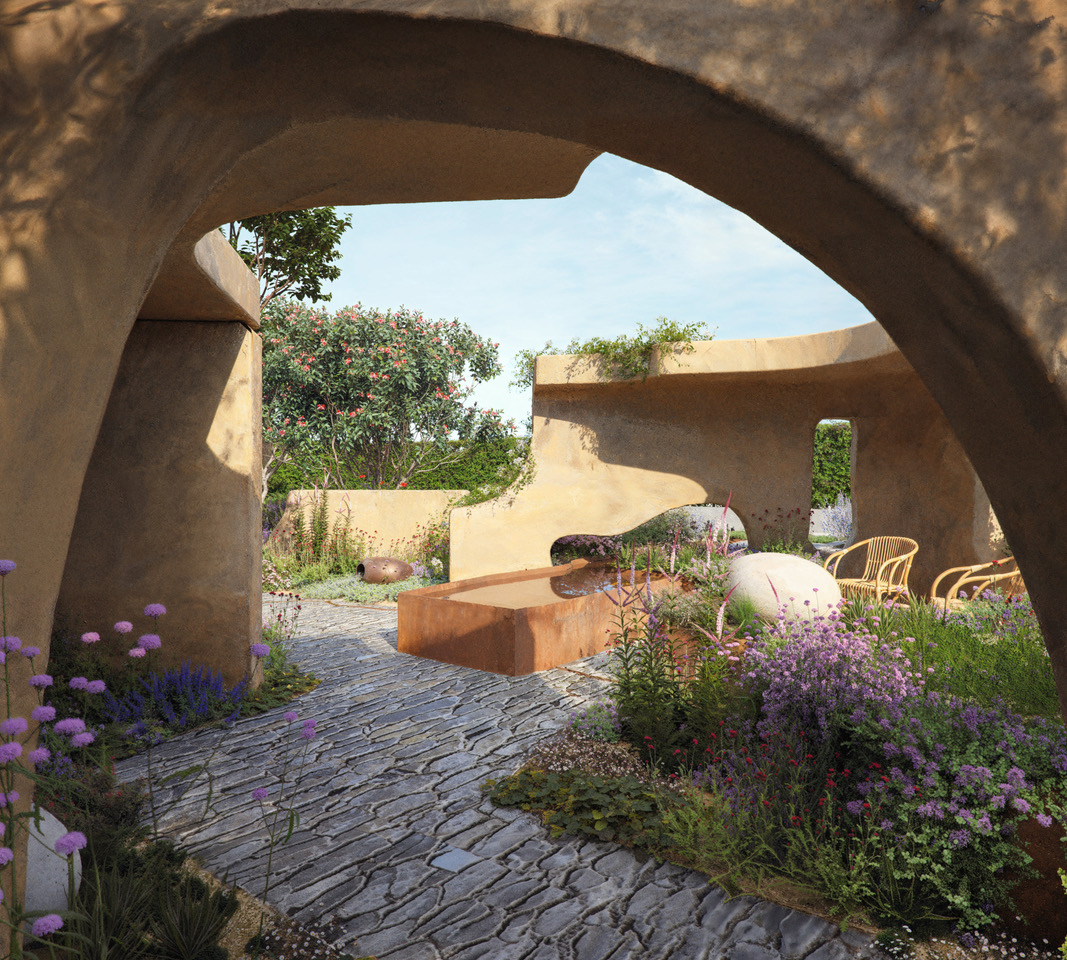
The garden is inspired by the 20th-century Basque artist Eduardo Chillida. Its striking, immersive design features four abstract structures, which subtly echo the curves and protective qualities of the female anatomy. “I hope the four central sculptural forms in the garden will literally stop visitors in their tracks when walking up Main Avenue at RHS Chelsea to encourage interaction, reflection and the protective environment to ignite the taboo conversations about gynaecological cancers,” says Darren. The architectural forms have been brought to life by Lady Garden Foundation supporter Ruddy Joinery, one of the UK's leading bespoke joinery manufacturers. Managing director Alan Ruddy said: “We are delighted to be supporting the Lady Garden Foundation.
Female cancers touch husbands, fathers, parents and children, not just women. If we can help create a spac for open conversation around this topic, we are proud to play a part.” After RHS Chelsea, the garden will be moved to a community location in Jersey to become a permanent legacy for the Lady Garden Foundation. Additional plants from the garden will also be donated to the Royal Marsden Hospital in Sutton, in recognition of the link between the Royal Marsden Hospitals and the Lady Garden Foundation.
Tamara says she still “feels a little bit angry” with her mum for not addressing her symptoms before it was too late. “Because when something like that happens your family just falls apart. It could have been curable. “But, in a way, that has just spurred me on,” she adds. “And getting the garden for us was just incredible. Also my mum loved going to the Chelsea Flower Show – it was one of her favourite things every year. “When I told my dad we were going to do this garden, he said: ‘Oh, your mother would have been so happy. So then, of course, that gave me my own extra drive.”
Photo credits: James D Kelly