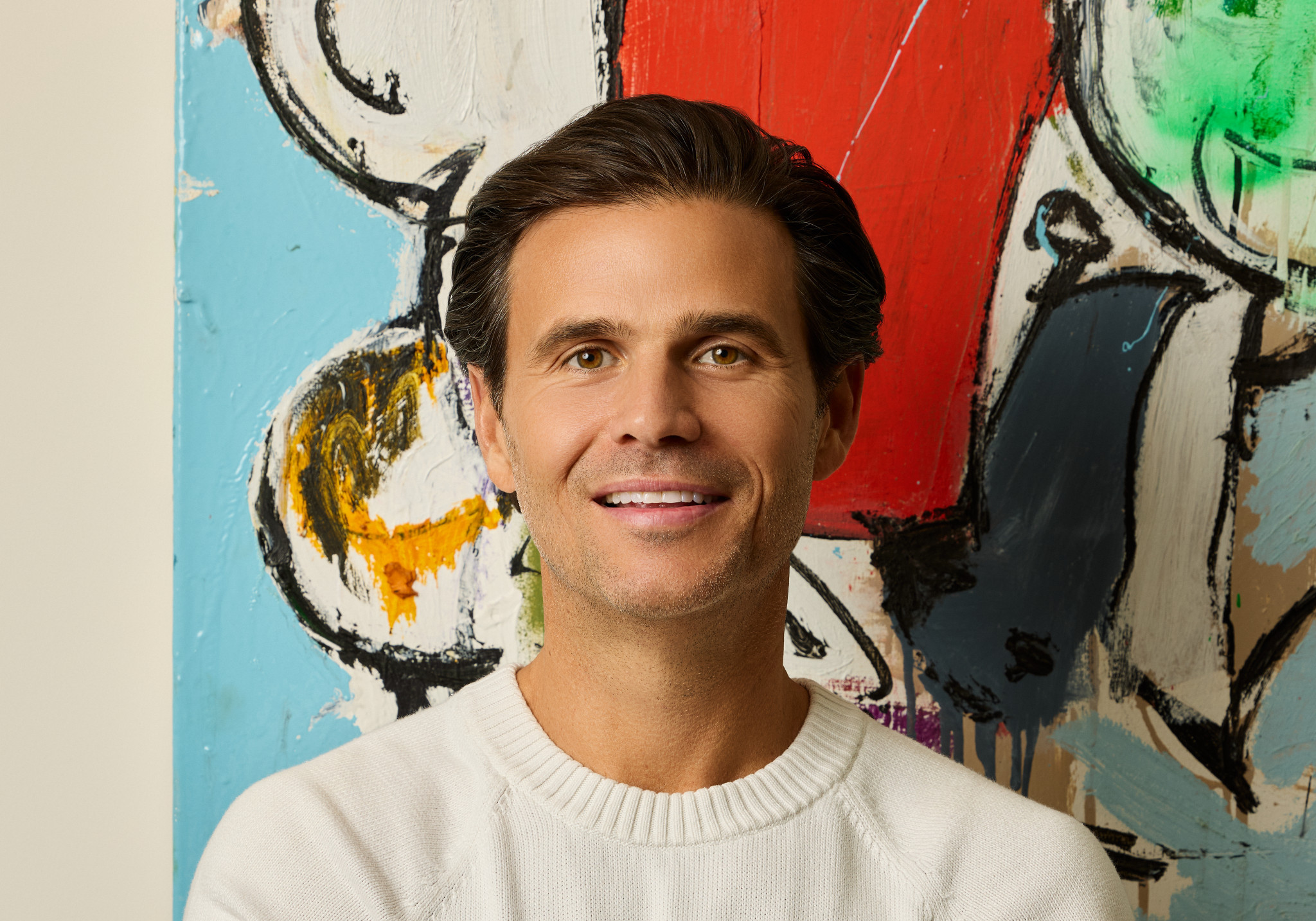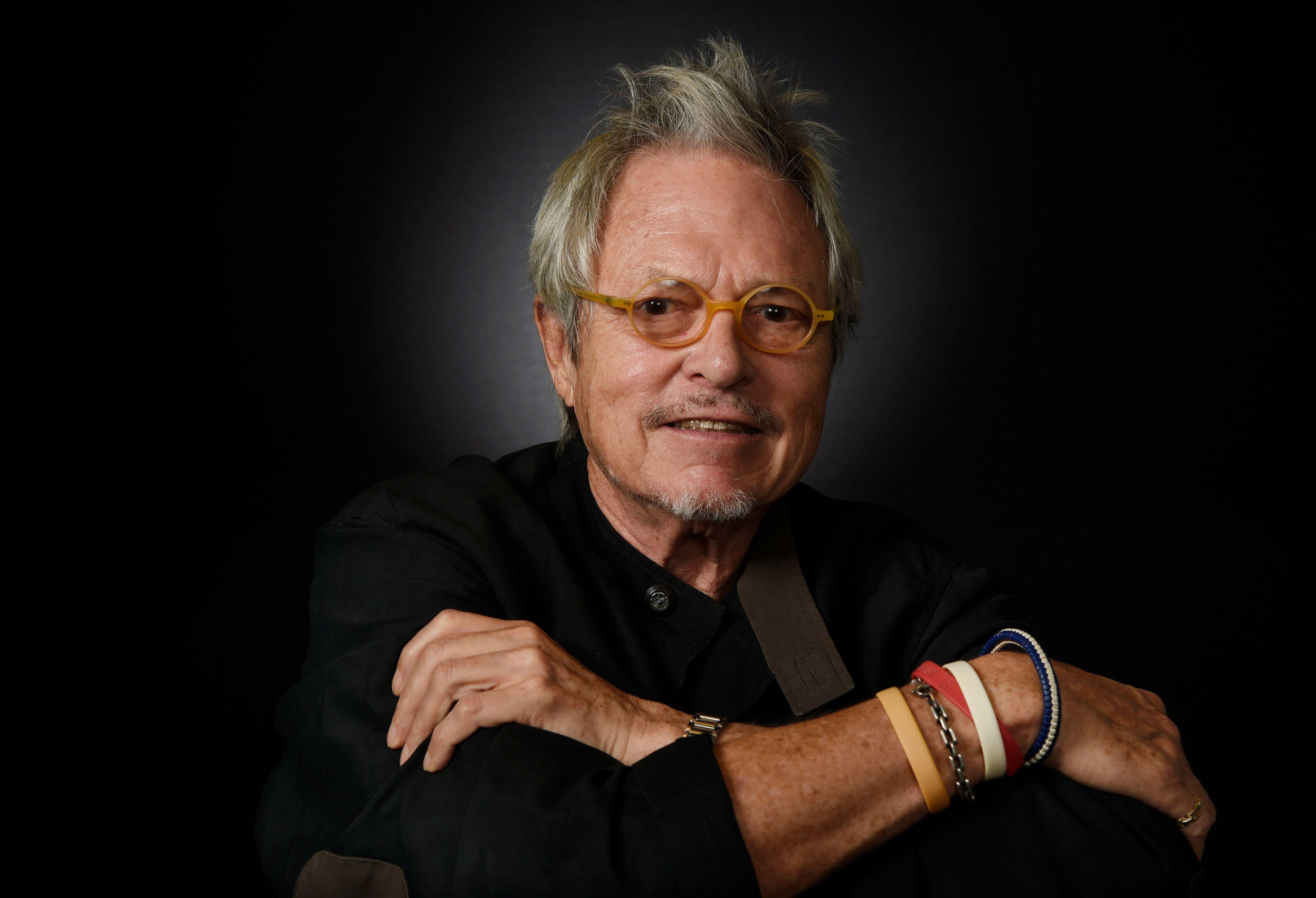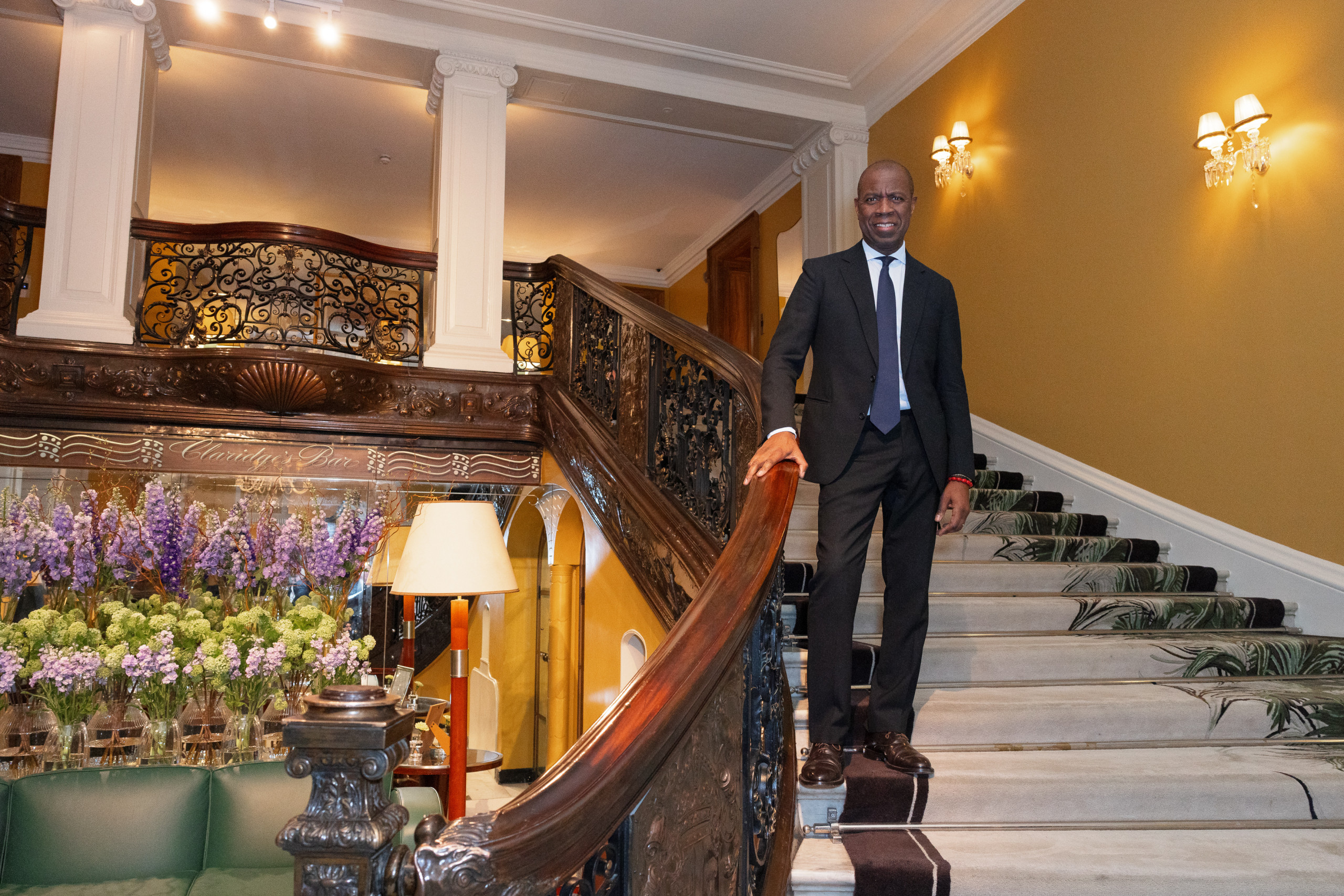

Dave Stewart shot to fame in the 1980s as one half of new wave band Eurythmics. Rare, his latest venture, helps artists retain control of their creative output and forge meaningful connections with their audiences in the age of AI. He tells us more
Words: Reyhaan Day
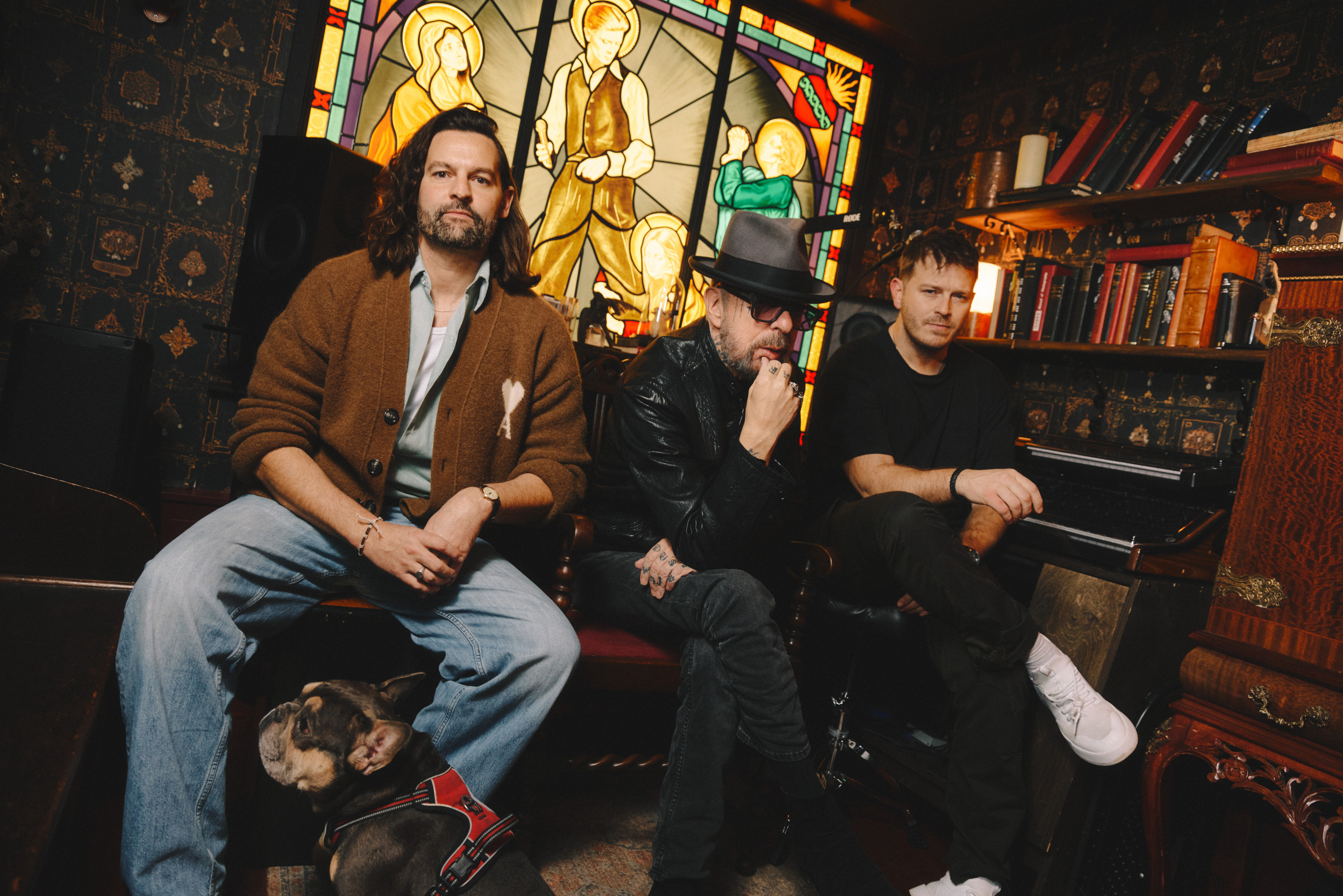
In a quiet corner of Mayfair, Rare is trying to rewire the relationship between creativity, technology and power. At its centre sits Dave Stewart – best known as one half of legendary duo Eurythmics with Annie Lennox but increasingly difficult to describe with a single title. Stewart – a musician, producer, innovator, accidental futurist – has always resisted the idea of a fixed career. “I never have, to this point, thought of anything as a career,” he says. “That's allowed me to have a really good, interesting time and have different opportunities.”
That refusal to stay in one lane is precisely what makes Rare – co-founded with entrepreneurs Dom Joseph and Rich Britton – feel less like a side project and more like a culmination: a structure designed to protect and amplify the sort of creative spark he has spent a lifetime chasing. Stewart's relationship with technology began early. In the late 199os he was already thinking about the digital future of music, thanks in part to conversations with Microsoft co-founder Paul Allen. By the time YouTube and streaming platforms began scooping up content, he sensed opportunity and danger.
He describes how payment structures left creators scrambling while platforms ballooned into billion-dollar giants. Years of working with major corporations and networks taught him how difficult it is for originality to survive inside corporate systems built to minimise risk. Stewart sees Rare as an answer to that tension. He describes creativity as the “top layer”, with Rare providing a new kind of engine beneath it: analytics, digital architecture and ownership structures re-evaluated so artists retain control of their intellectual property.
“The owner of the IP or creativity doesn't lose their ownership,” he says. “We're collaborating with people like Lauren Gunderson, the most produced playwright in America, and Jonas Akerlund, who has directed some of the great music videos, who are saying: ‘When can I be involved?'” The emphasis is cultural rather than purely technological.
Stewart sees a widening gap between audiences and artists, worsened by ticketing monopolies, opaque streaming economics and a system that rewards scale over imagination. Rare's projects aim to close that gap by reconnecting creators directly with their communities.
One example is Planet Fans, a ticketing and fan-engagement platform developed with Ben Lovett of Mumford & Sons. Rare holds equity in the company, and Stewart lights up when describing its implications. Through Planet Fans, artists can sell tickets directly, bypassing the ticketing giants while learning who their audience actually is – something many touring acts previously never saw.
“Before, they'd sell out everywhere and have no idea who the people who bought the tickets were,” he says.”Now they will know, and then they can offer deeper connectivity – like behind-the-scenes stuff. If you're paying money and supporting a band, there's now something more to it.” The platform has attracted major names including Ed Sheeran, signalling a shift towards artist-led ecosystems.
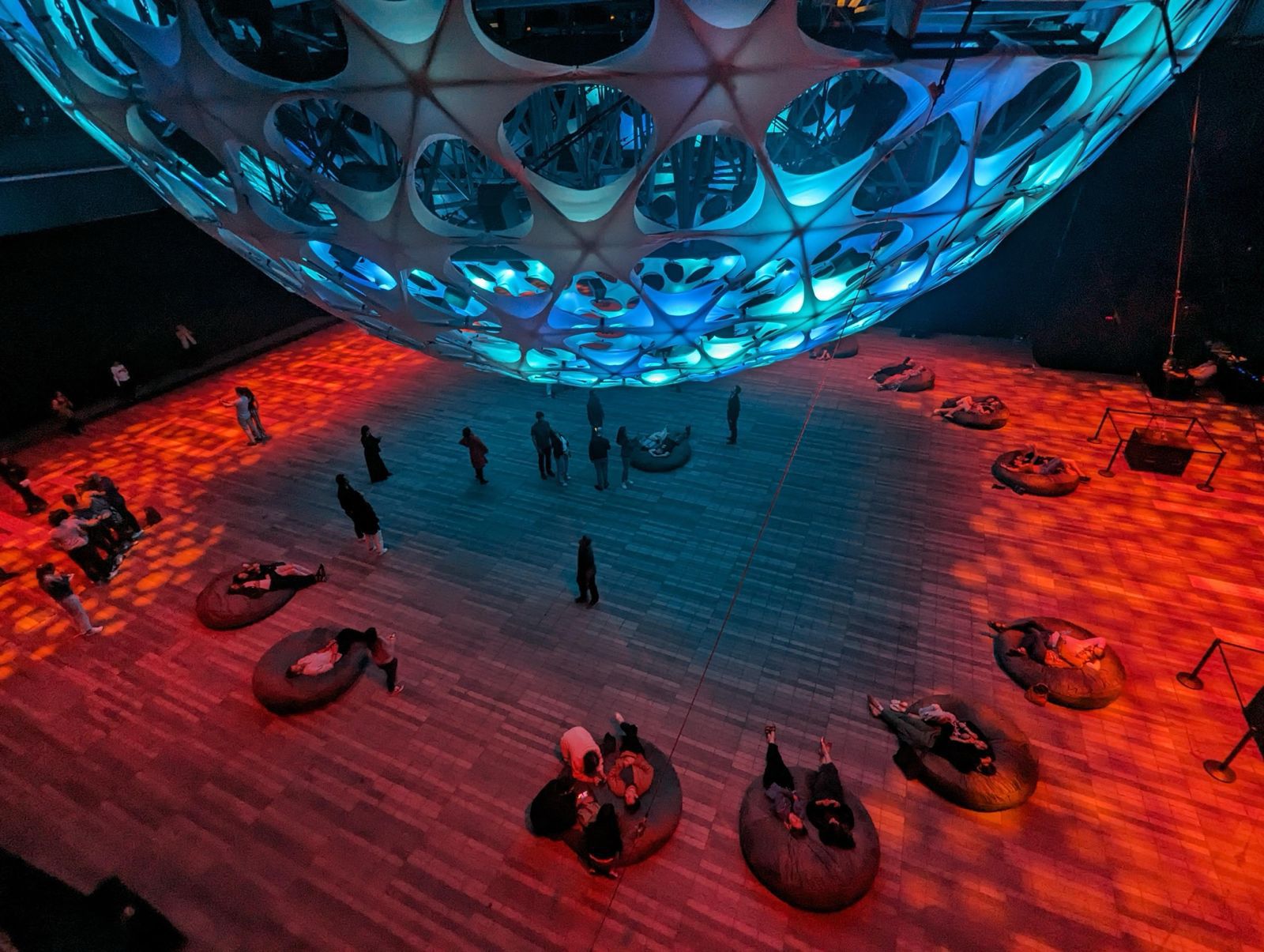
Similarly ambitious is Sonic Sphere, Rare's immersive audio project, which transforms music into a physical environment – part concert, part installation. These ventures share a philosophy: technology should deepen human connection, not replace it.
Stewart worries about a generation increasingly mediated by screens, where algorithms masquerade as reality. “You're not going to get life through your smartphone,” he says. “It's about the journey – communicating with somebody, helping them express their feelings.” Stewart's passion for Rare's mission is rooted in his own history of near-misses.
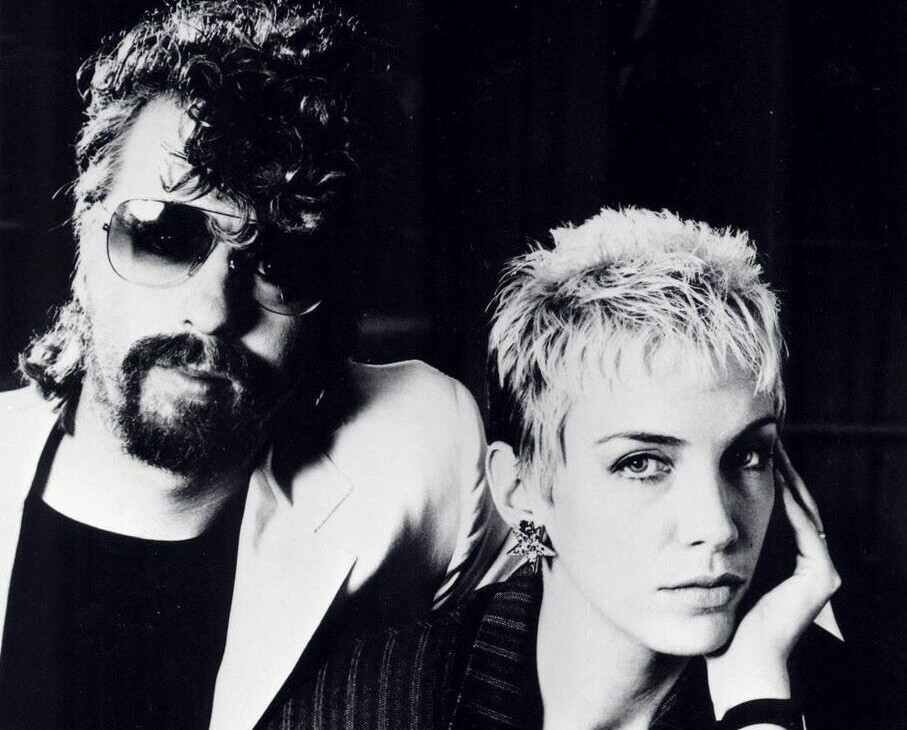
Before global success, Eurythmics were close to being dropped by their label. A junior A&R executive – the lone supporter in the room – argued for giving the duo space to experiment. With no budget, Stewart was able to borrow money from an understanding bank manager to buy equipment and keep writing and recording. The result would include Sweet Dreams (Are Made of This, a track the label initially refused to release as a single.
That story is more than mythology; it's a blueprint.Rare is structured to take the kinds of risks corporations often avoid, backing ideas that may look eccentric on a spreadsheet but are culturally transformative in practice. Stewart points out that many now-obvious successes – from indie films to global coffee empires – began as improbable experiments. Creativity, he argues, is often misjudged as reckless, until it isn't.
Despite his reputation for artistic wanderlust, Stewart'sdaily routine is almost monastic. Each morning begins with coconut water, sliced apple and green tea followed by meditation, exercise and more meditation. Only then does he begin his afternoon of focused work. He has kept strict creative hours since the Eurythmics era. “You have to live life as well,” he says. “Otherwise what are you going to write about?”
Meditation, he believes, keeps him in the calm centre of a storm – a vantage point from which ideas spin past without dragging him off course. He describes his life as an “art of chaos”, but one navigated deliberately. The openness that once led him through London squats, experimental cabaret punk troupes and arena tours now allows him to move seamlessly from boardrooms to rehearsal spaces.
Versatility, he believes, emerges from curiosity – and conversation is currency. “I tend to talk to the person who brings me the hotel breakfast, or the cab driver. Otherwise, how do you stay in touch with the realities of people?” Stewart speaks more about architecture than legacy: how to build systems where creativity isn't an afterthought but a foundation.
Britain's cultural output, he notes, has long been undervalued politically. Rare is an attempt to correct that imbalance – decentralising support, redistributing power and reminding industries that art is not decorative but structural.
He remains, by his own admission, a student. Listening is his chosen discipline, the key to keeping an open mind when it comes to creativity and innovation. That mindset may be the thread connecting the young Stewart, who grew up in a “struggling” Sunderland, to the one busking at Finsbury Park tube station, the one who achieved global superstardom and the one who is now reshaping creative platforms.
Stewart never set out to build a career; he set out to stay receptive. Rare is the expression of that instinct: a space where experimentation is protected, creativity has a fighting chance and culture is treated not as a sideshow but as the main event.