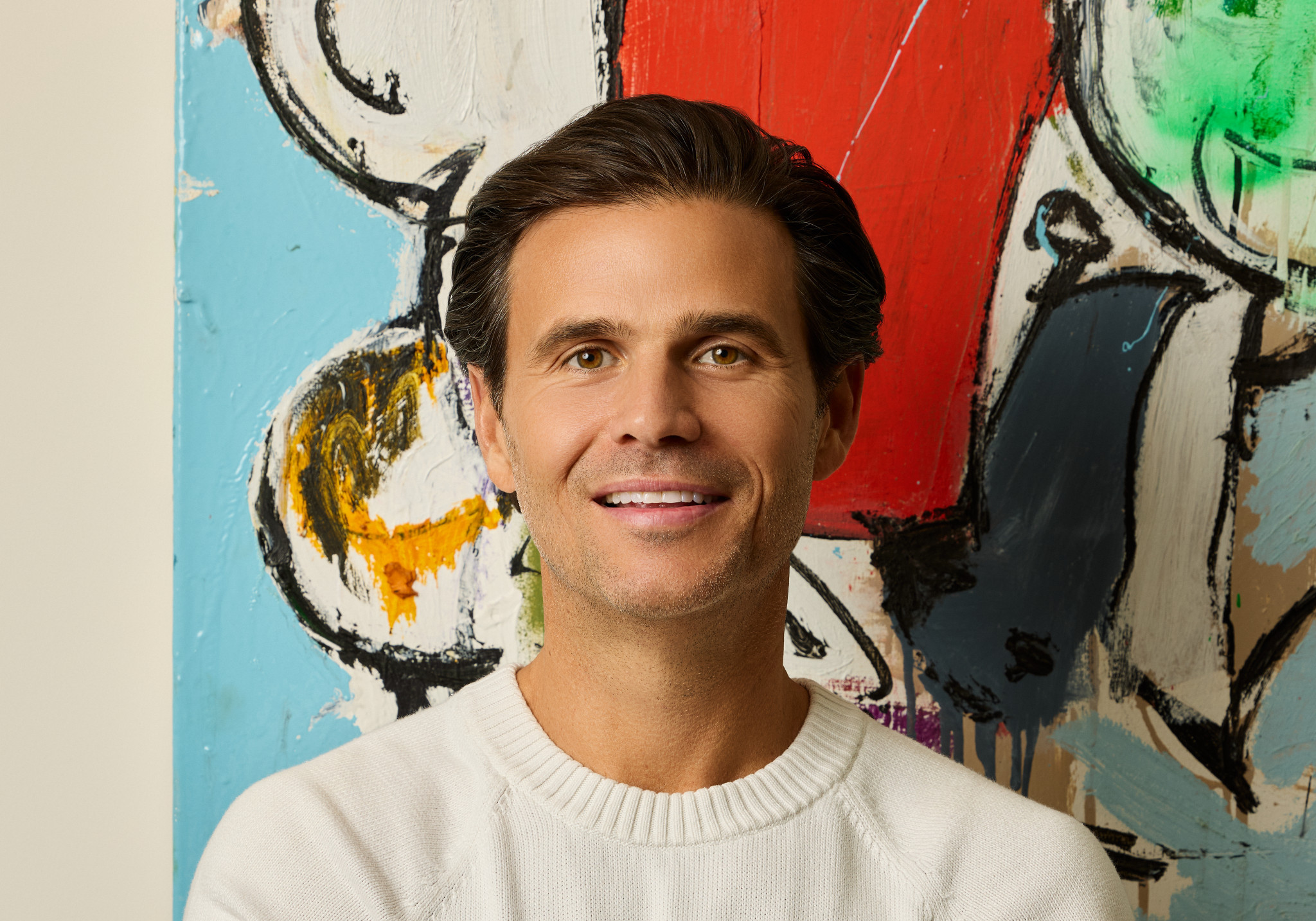

Simon Pavitt's new book is dedicated to deeply personal projects undertaken by people driven to make lasting change. He tells us more about capstones and how they will shape future societies
Words: Will Moffitt
Simon Pavitt is obsessed with capstones. He thinks about them constantly and he sees them everywhere, from philanthropic foundations to business plans. “I want more people to do them earlier and better, and be more positive about other people doing them,” he says. A capstone is a profound project undertaken when an individual recognises they have achieved enough in a career or in life and wants to shape something personal and lasting. The Gates Foundation is a classic capstone. So too is Elon Musk's insatiable quest for interplanetary migration.
I meet Pavitt at 67 Pall Mall, the wine-savvy private members' club in St James's, to discuss his new book, Capstones: The Art & Architecture of Meaningful Passion Projects. It's a place that is full of people who could probably come up with interesting and well-devised capstones. A former sports marketing guru who also served as a marketing director at a Formula One team, Pavitt is now chief adviser at London Technology Club. In other words, he has spent the best part of three decades working with serial winners and high-net-worth types – relentlessly driven people fuelled by winning.
In his new tome, however, which Pavitt has spent six years creating, he finds people for whom winning and earning have ceased to be meaningful goals in themselves. Crammed full of high achievers and colourful, sometimes eccentric characters, the people in Pavitt's book have found and backed causes they are deeply connected to.”It needs to be genuine. It can't just be a trophy asset or a side hustle,” Pavitt says. “You have to be passionate about it, and that comes through if you're not deeply engaged.”It's not just a case of buying something and leaving it be,” he adds.”It's fine to spend money on things and throw money at something, but they have to really drive the engagement with it and be part of it.”
The book is not just an expansive exploration of capstones – the people, motives and means behind them. It is also packed with interesting historical and social insights. Alfred Nobel, of prize-giving fame, spent most of his life holed up in European laboratories, making vital contributions to the explosives industry. Once he realised he was perceived as a mass marketer of death and destruction, he pivoted towards the end of his life, donating his fortune to fund and reward scientific advancement that has enhanced our society.

Other intriguing case studies include the work of Isabella Tree and Charles Burrell, a lord and lady who turned their 3,500-acre Knepp Estate in West Sussex into one of the most successful rewilding projects in the UK. In 2003, after struggling to farm the vast plot, the couple gave the land back to nature. The success of the Knepp project has become a blueprint for rewilding initiatives and fundamentally changed British ecology. While these capstones were conceived by people in the later stages of their lives and careers, Pavitt insists that this needn't always be the case.
“Jane Goodall is a great example of somebody who found their passion young and stayed the course with it,” he says of the late primatologist and conservationist. “She found her calling early and did it well. It doesn't have to be a retirement thing or an older person thing.”I push Pavitt on what a bad capstone might look like. Pop singer Katy Perry's vanity space project, perhaps? He isn't drawn.
Instead he prefers to concentrate on the very real positive contributions that well-conceived capstones can make to society.”I think there's a point where people have enough money or time or energy or skills or assets that they want to share with the world,” he says.”But a lot of people get stuck on what to do. People procrastinate, or they worry about what people are going to think, especially if you're high profile and you're famous. I still want people to do those things, because otherwise money just sits on the sidelines and isn't being used.”
Regardless of people's opinions on what a good or bad capstone entails, Pavitt believes they will shape our future in bold and brilliant ways. As he writes in the book: “My belief is that capstones will have an even greater significance and influence in future societies.” Is this a scary thought or a hopeful one? I'm not sure. Either way, I leave 67 Pall Mall with a head full of capstones. Now I can see them everywhere too.
Capstones: The Art & Architecture of Meaningful Passion Projects is available to buy now