I am not surprised then when Birkett confirms that London regularly breaches air pollution levels set by the EU, as well as WHO guidelines.
But what is to be done, when a city’s transportation, housing and energy needs are constantly on the rise?
London’s ever-expanding population is the elephant in the room.
Pollution in London
Birkett set up Clean Air in London thirteen years ago. Since then his campaigning and research has helped put air quality high on the political agenda.
He explains that air quality can be divided into greenhouse gases and local pollutants.
Local pollutants are further divided into particulate matter and gases which include ozone, sulphur dioxide, and nitrogen dioxide (NO2).
His main main focus has been on NO2, as it is easy to measure and widely monitored. It is a good measure of combustion, and, there are WHO guidelines on its safe legal limits, he explains.
Diesel menace
"It comes principally from diesel vehicles (90-95% of NO2 in our air comes from diesel vehicles and buildings).
"So its removal presents a rather more straightforward solution than, say, the more complex emissions from buildings," he adds.
Originally, diesel was promoted as a way of reducing greenhouse gases.
"This is a case where the solution was poorly thought through, and replaced one problem with another.
"Plus to complicate matters, NO2 is added to diesel engines to reduce PM emissions, of which there is no agreed safe level.
"Ultimately our low to no-emission electric vehicles need to have their electricity generated from a renewable, non-nuclear source," he says.
Local plans
But Simon is not just campaigning against diesel fumes, but for healthy air in general.
"My passion is for healthy air," he says.
This was one of 42 policies included in the Knightsbridge Neighbourhood Plan, adopted by Westminster City Council into their own legal framework last December, and copied into the Mayor’s updated London Plan.
"The policy also includes indoor air quality, since people spend around 90 per cent of their time indoors.
"Our Neighbourhood Plan also proposed creating ‘zero air emission buildings’ when they are built or refurbished.
"Essentially these are all-electric buildings, that emit only ventilated air and cooking emissions, and would have high levels of energy efficiency and use renewable energy generated on-site and off-site," he adds.
Other objectives include increasing the energy efficiency of historic buildings. This is pertinent to Mayfair, St James’ and indeed most of Westminster.
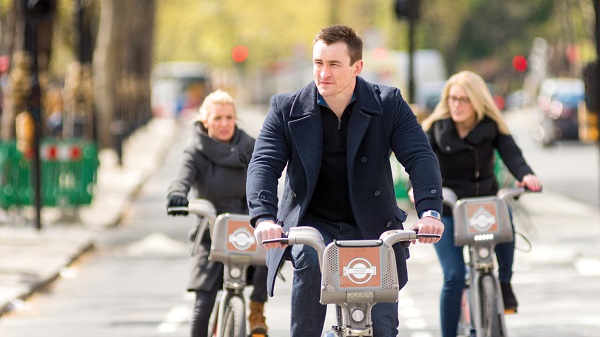
Another aim is ‘active travel’ and ‘maximising the potential for walking and cycling…and the environmental benefits of trees’, he says.
Simon says… 5 things we can do now:
1. Download the LondonAir and CityAir apps onto your smartphone to get the latest
monitoring and forecasts. Share what you find.
2. Whenever possible, walk, cycle or use public transport rather than driving in London or
other urban areas.
3. When flagging down or booking a black cab or minicab, always choose an electric or
hybrid vehicle.
4. Stop burning wood in cities which may anyway still be illegal under the Clean Air Act.
5. Ask the facilities manager whether your office or residential building uses regularly
maintained air filters complying fully with the latest British and European standards for
indoor air quality eg BS ISO 16798, 16890 and 10121.
Maria Vlotides is the author of
Pavement Poetry (Pedestrian Publishing)
See a longer version of this article in the
Mayfair Times.
Read about the Mayfair Neighbourhood Plan in The Future of Mayfair.
Find out about efforts to boost the local economy around Westminster in
Transforming Victoria.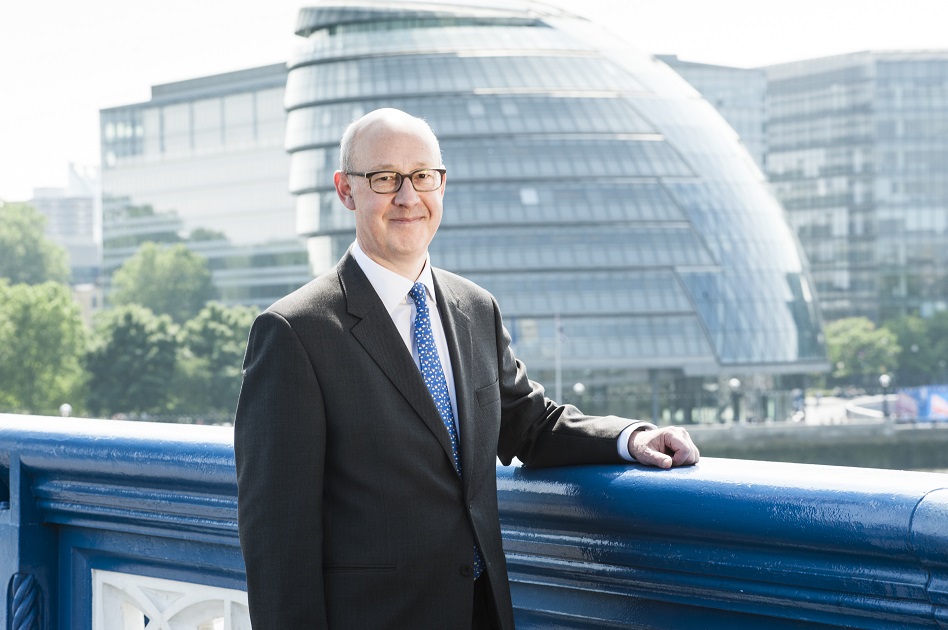
.webp)