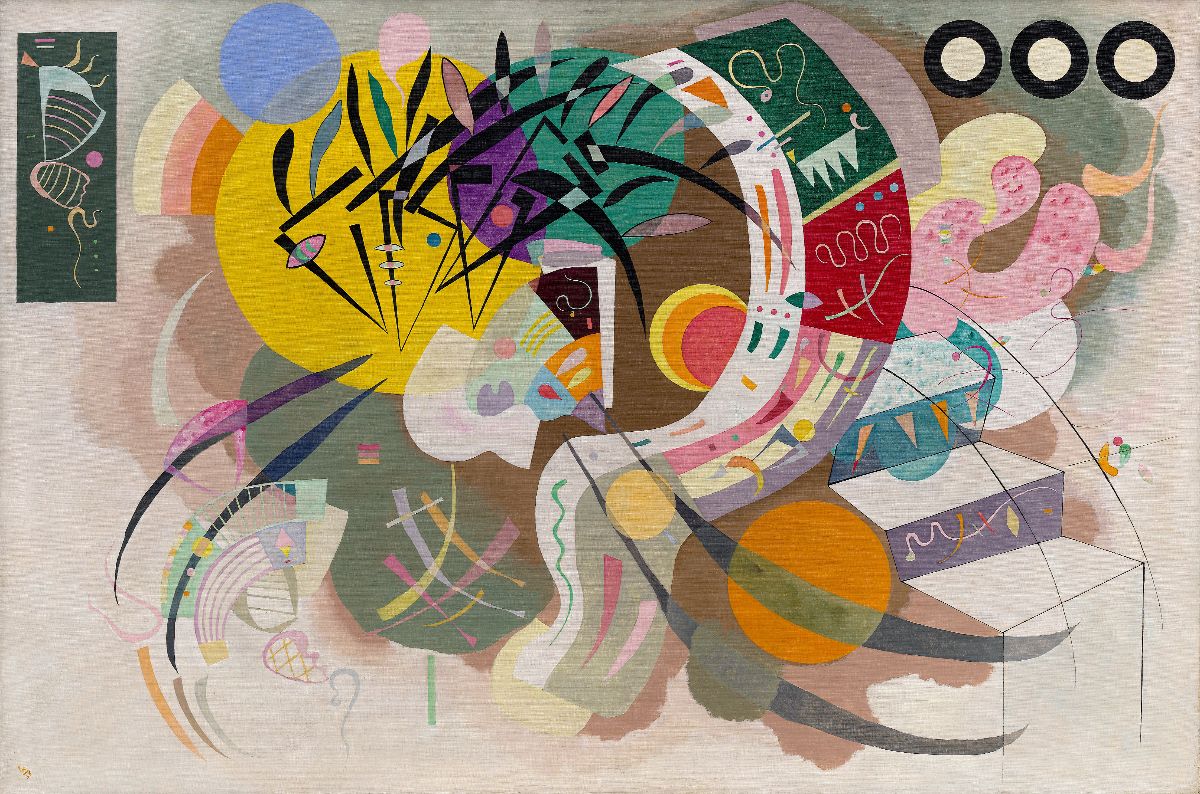
“In the event it all went very well, both morally and financially,” said Wassily Kandinsky of his debut UK solo exhibition at Guggenheim Jeune in 1938. Having fled Berlin to Paris – Kandinsky had lost his position at the Bauhaus art school after the Gestapo pressured it into shutting down – the Russian émigré was not having an easy time of it. Highly acclaimed in Germany, he was almost unheard of in France and was forced to contemplate a “new market” in England.
Peggy Guggenheim, the New York heiress turned art collector, had been introduced to Kandinsky through her friend, the revolutionary artist Marcel Duchamp, who taught her to distinguish between surrealism and abstraction. Kandinsky’s work was radical, particularly for mid-1930s London. His daring abstractions were mostly met with bemusement. In a quintessentially British fashion The Times critic wrote that Kandinsky “creates some difficulties for the observer”, but that there was “a great deal to enjoy”.
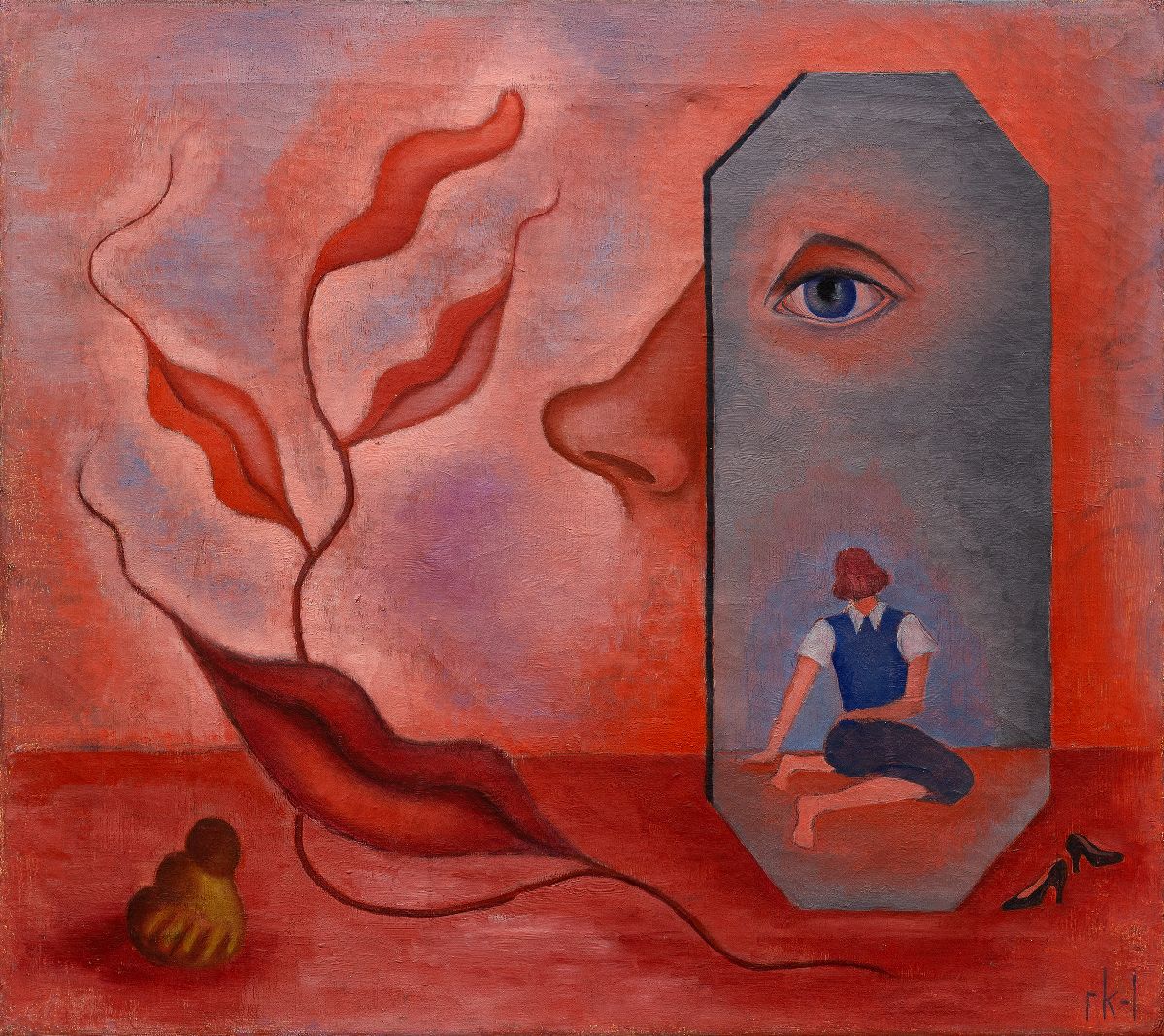
Those Kandinsky canvases will return to Mayfair this month for a landmark exhibition of Peggy Guggenheim and her Guggenheim Jeune gallery. Opening at the Royal Academy on November 21, Peggy Guggenheim in London: The Making of a Collector features more than 80 works by artists including Salvador Dalí, Barbara Hepworth, Henry Moore and Piet Mondrian. Many of the works are back in London for the first time since their original presentation at the gallery.