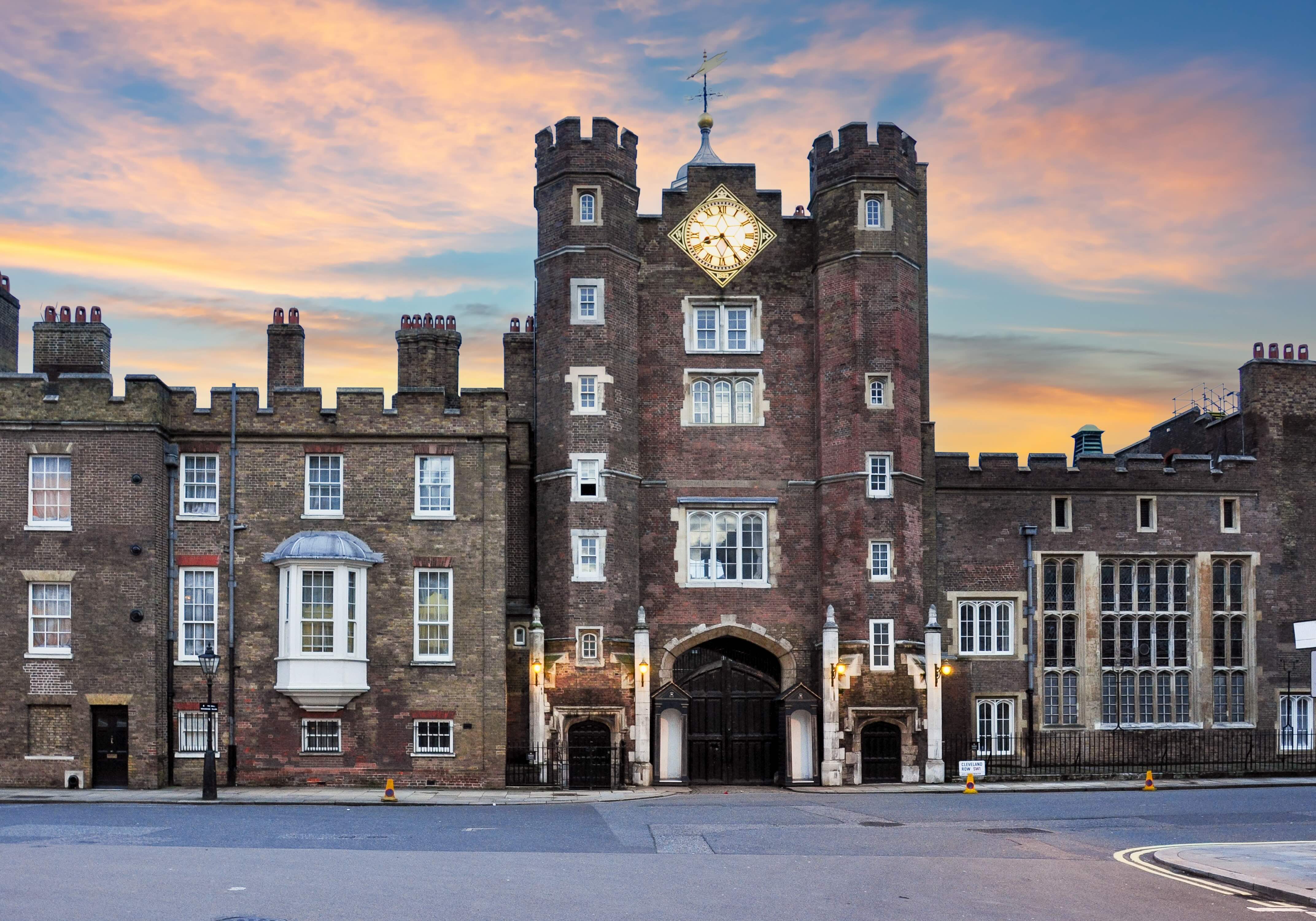
Inside Dr Haus’s incredible new clinic in Belgravia

World-renowned dermatologist Dr Ariel Haus has opened a second clinic in Belgravia. He tells us about the trauma surgeon in Brazil who inspired his career, common concerns and the rise of “Mounjaro face”

Inside Dr Haus’s incredible new clinic in Belgravia

It may have been 35 years ago, but Dr Ariel Haus remembers vividly the moment he was inspired to pursue a career in dermatology. “There was a renowned Brazilian plastic surgeon, Professor Ivo Pitanguy,” he says. “It was my first year at university and he explained to us in detail how he treated all these patients in a circus tent fire. He explained about the burns to the face, the entire body, and the trauma, the psychological aspect, and that gave me so much inspiration. “The skin is the largest organ in our body – it’s interconnected to the brain, to the gut, everything, so that was a gamechanger and I decided to become a dermatologist.”


 Haus hails from Rio de Janeiro, where he trained and studied before moving to London to become part of the hub of clinical excellence that is Harley Street. “I had sunshine all my life. Brazil was 365 days of blue sky. I felt bored, and I wanted something different, so I came to London.”


Haus remembered reading about how the former Brazilian royal family would visit Harley Street when they were unwell, and it never left him. Having run his Harley Street clinic for more than 15 years, he is expanding, with a second clinic in Belgravia. “Belgravia is such a vibrant place,” he says. “Also, I have a lot of patients, they live in the neighbourhood. We always have a holistic approach, because a lot of conditions are not just about the skin – it’s the mental health, it’s the gut.”
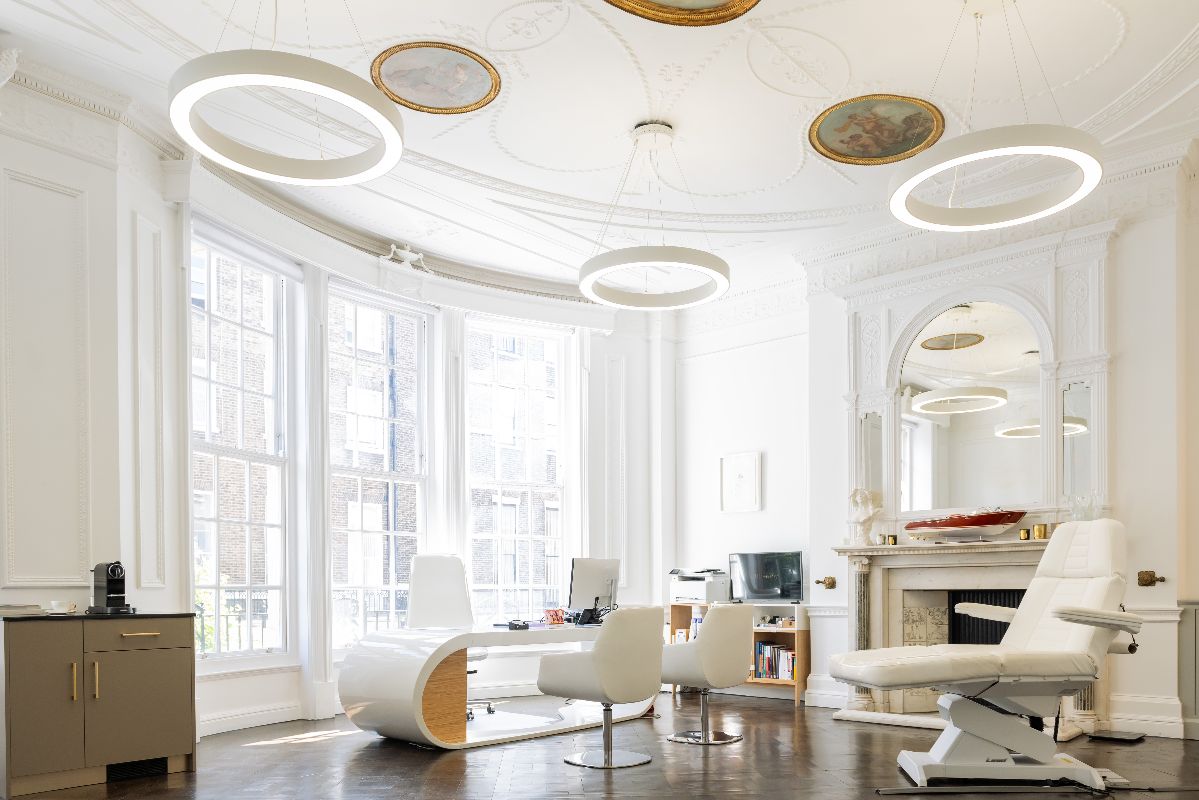
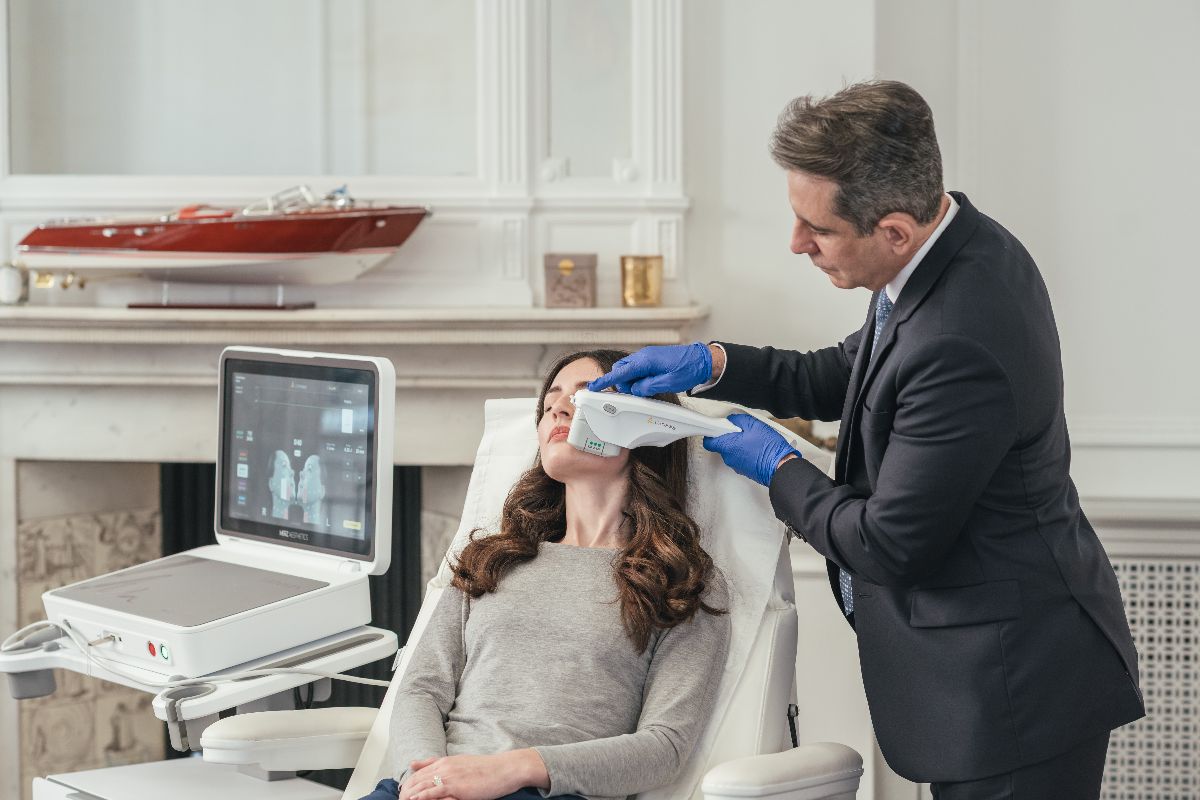
Dr Haus Dermatology on Kinnerton Place South has a few new and exciting additions, including the Haus Radiance Facial – a skin health-focused facial treatment combining hydro-dermabrasion, vacuum infusion, cupping and LED therapy. 

To qualify as a dermatologist is not an easy feat. It takes a minimum of 12 to 15 years and you first need to complete medical school and medical training before specialising. This qualification enables you to treat patients with issues of the skin, hair and nails. It also allows you to be more thorough when it comes to diagnosis; a trichologist, for example, cannot put a medical name to your condition.

When it comes to common concerns, Haus has identified a link between appearance and GLP-1 (weight loss) medication. “Nearly 10 per cent of the population in the UK are taking GLP-1, which is fantastic because it will decrease numbers of strokes and heart attacks, but unfortunately it can increase laxity of the patients. There is something we call the Mounjaro face. Some people say they wait to lose their weight before getting treatments, but that is not the right approach because it would have a very intensive laxity, and to reverse that will be more difficult.”

Haus is proactive in acquiring the latest technology – his was the first clinic in London to offer Ultherapy Prime, the gold standard for non-surgical skin lifting. Alongside his own clinic he still works in the NHS, where he runs a skin cancer clinic, and he is very keen to talk about and promote the issue of skin protection, especially as he believes we are witnessing an epidemic in skin cancer. “I always talk about prevention – people are becoming more aware but a lot of people still do not believe they need to use SPF every day.”

Something that has changed is male interest in skin, hair and nail care, mainly among millennials, according to Haus, who credits the rise in social media and the post-Covid environment for the increase in interest as we have had more exposure to our appearance online. “This group, they do not want to age,” says Haus. “It’s very fascinating, they are so afraid of it.”

Living in an environment like London also has an impact on skin, and this is why Haus responds with a skin health-led approach accordingly, while still keeping an eye on trends. “Here it is very dry, it’s cold, so what will happen? You have more probability to get, for example, eczema and everything linked to dry skin. I have a lot of patients from overseas, and I always ask where they come from because I need to have an idea of their environment for both the skin and skincare. But the treatments, everyone desires almost the same things – they want lifting, less pigment, glowing skin.”

drhausdermatology.com

Mayfair Times Newsletter

Sign up to our free newsletter to receive exclusive stories from one of the world’s most affluent communities straight to your inbox