Oxford Street has finally been pedestrianised – but how do the locals actually feel about it?

After decades of stalled proposals, the pedestrianisation of Oxford Street has commenced. Many local residents and councillors are enraged and perplexed by the scheme, while retailers and restaurateurs believe that it’ll be good for business

Oxford Street has finally been pedestrianised – but how do the locals actually feel about it?

The Oxford Street pedestrianisation happened gradually and then suddenly. As far back as 2004 Ken Livingstone, then the London mayor, had proposed a tram system along Europe’s busiest shopping street. Pedestrianisation was a prominent feature of the current mayor Sadiq Khan’s 2016 manifesto and he has fought for it ever since. At so many junctures that vision could have faded to an impasse. It never did. 

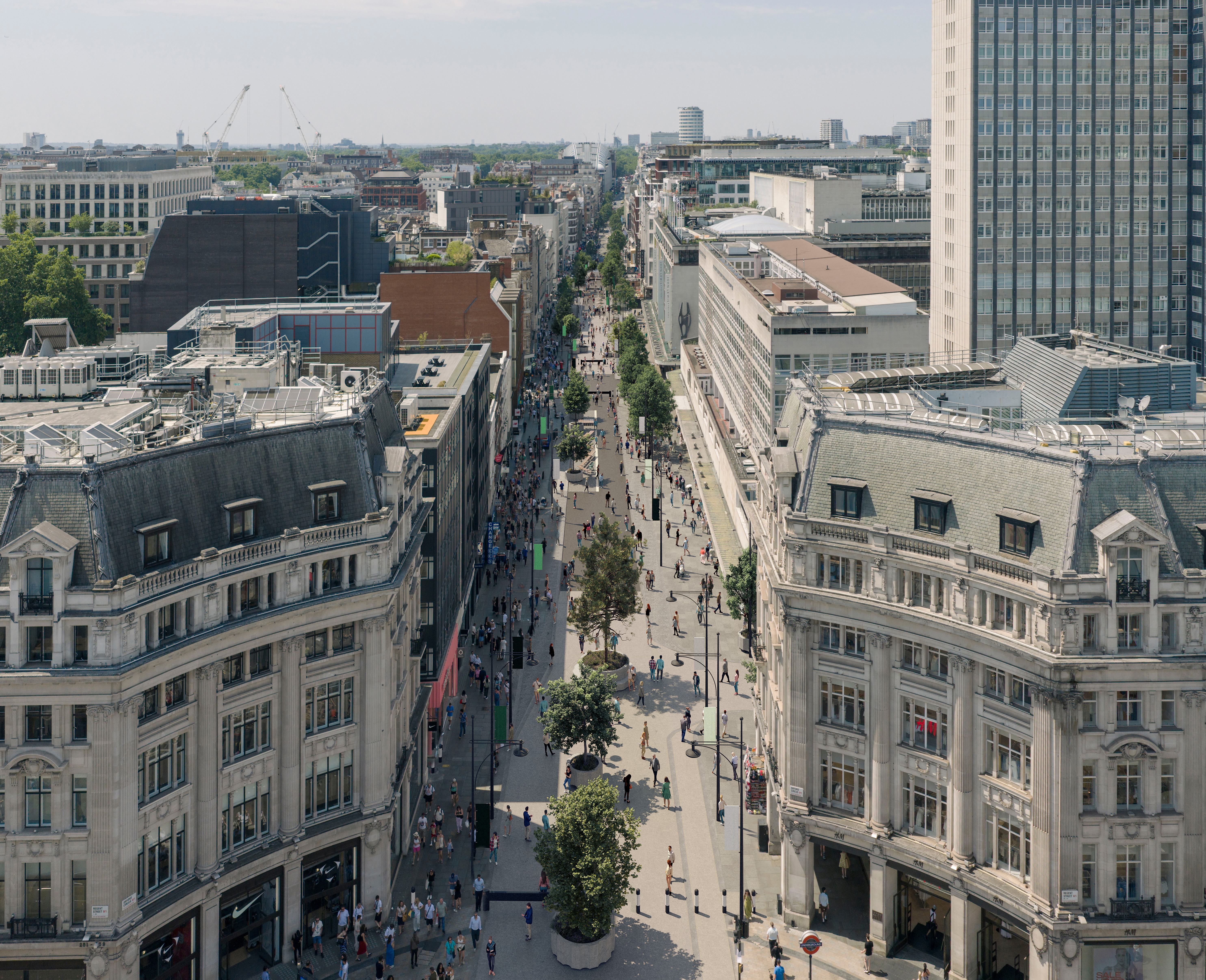
Work has commenced on almost a kilometre of Oxford Street, between Orchard Street and Great Portland Street, as buses, taxis, bikes and other vehicles are diverted on to nearby roads. Emergency access is permitted, so too business deliveries between midnight and 7am. This is all part of Khan and the Oxford Street Development Corporation’s mission to make London’s tourist mecca “greener, safer and more accessible”.

At first glance there is an inherent nobility to these principles. However, prominent local councillors and residents have long been concerned about how those objectives are achieved, and at what cost.

“The whole premise of the Oxford Street mayoral development body was flawed from the start. It exposes what this centralisation is actually about,” says Andrew Boff, chair of the London Assembly. “They don’t want to listen to difficulties. They don’t want to listen to the hardened experience of local councillors.” 

As Boff sees it, the Oxford Street Development Corporation, formed in January, made City Hall the chief architect and pedestrianisation planner, transferring power from Westminster and Camden councils and thereby weakening the input of local authorities and politicians in shaping Oxford Street’s future. 

“It’s only when you live and breathe it that you realise the real practical problems in trying to get Oxford Street pedestrianised,” Boff says. “It’s only practical if you feel like it doesn’t matter that you push pollution on to neighbouring streets, or if you don’t believe that disabled people should have access to shops on Oxford Street, or if you think that listening to people is a waste of time.”
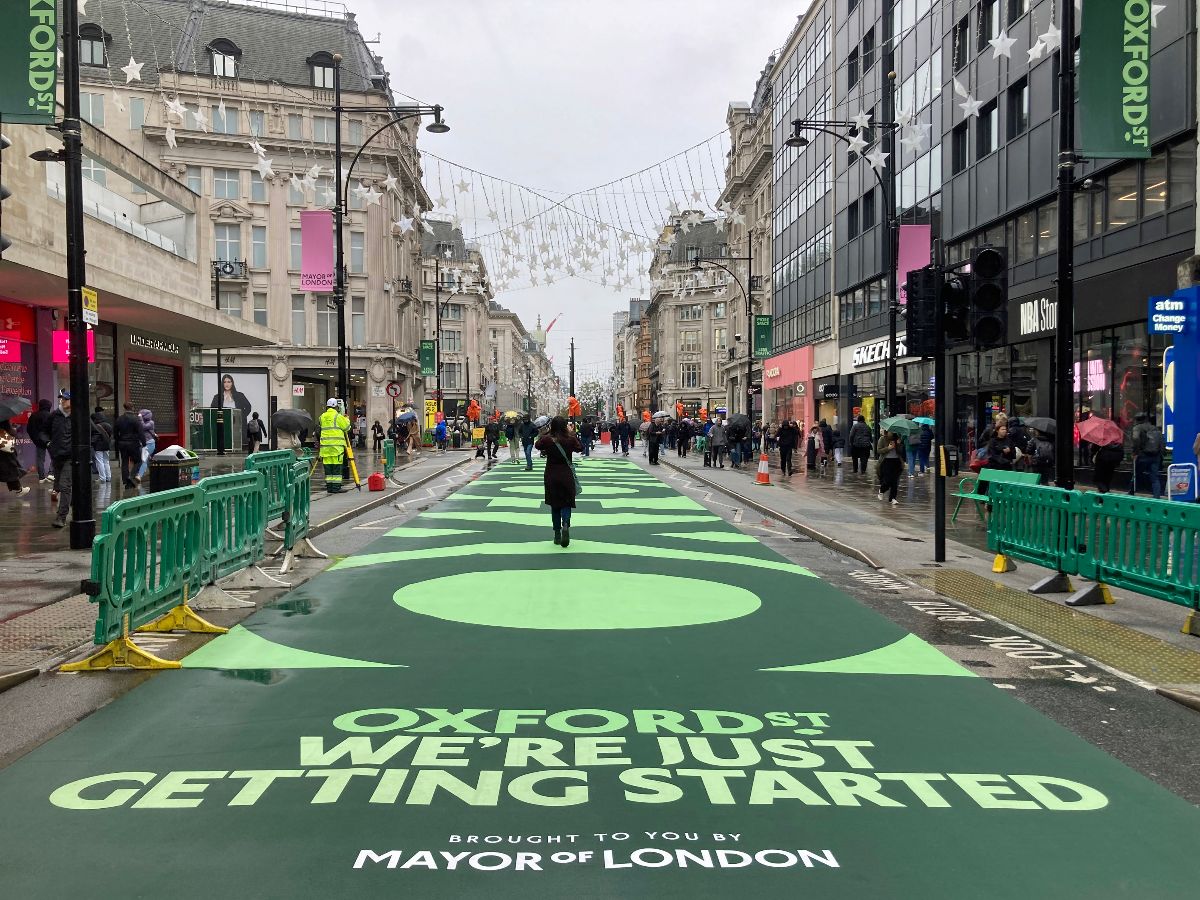
Oxford Street pedestrianisation - Day 1 by Diamond Geezer

While there was a consultation process of sorts – 66 per cent of respondents to an open public consultation across Greater London and beyond supported pedestrianisation in principle – it was naturally self-selecting and not conducted by postcode. 

Local residents feel the scheme is going ahead without their approval. “It looks nice on paper, but there is very little public information,” says Joanne Cohen, a longtime resident. “That’s something of a concern, it’s all been pushed through so quickly.”

Traffic congestion on adjacent streets will have a noticeable impact. Bus routes 98, 139, 390 , N98 and N207 will be diverted to use new bus stops on Wigmore Street, Henrietta Place and Cavendish Place. 

“We have a lot of congestion already in Marylebone,” says local resident Karen Jones. “If it’s meant to be a garden neighbourhood, how is that so if you’re not going to be able to cross a road because 40 buses are hurtling towards you? You’re taking one of the only garden neighbourhoods there is in London and basically turning it into a bus depot.”

Crime remains another major point of concern. “If you allow people to congregate into one packed area you just create more opportunities for thieves to ply their trade,” says Festus Akinbusoye, a former police and crime commissioner and a Westminster councillor. 

Akinbusoye is also deeply worried about emergency response capabilities in such a congested traffic area. “If someone was stabbed, heaven forbid, in the middle of Oxford Street, and you’ve got loads of people walking through the area, how readily will emergency services be able to access that victim? Or if there’s a fire on the front-facing side, how will a fire engine be able to get there?”

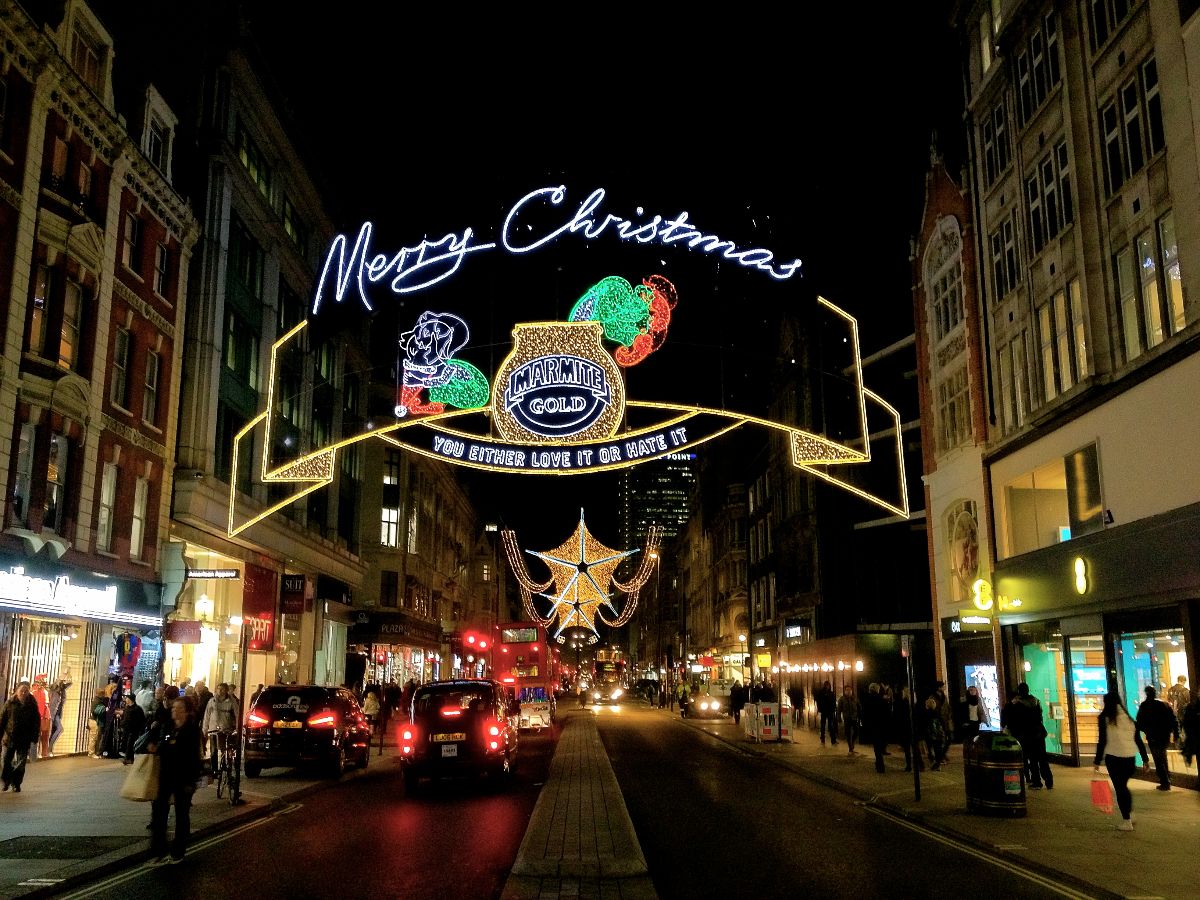
Martin Hearn, Xmas on Oxford Street

While some people oppose pedestrianisation because of the disruption it will cause around it – and the challenges outlined above – others feel that it will enhance the look and feel of Europe’s busiest shopping street. 

“We are supportive of [Oxford Street’s] regeneration and new opportunities for the district to reach its full potential,” says Dee Corsi, chief executive of New West End Company. 

“The launch will be in time for the festive period, and provides an exciting chance for visitors to experience the district in a new way.” 

Marco Vignali, manager of Bar Remo, a long-running Italian restaurant on Princes Street, near Regent Street, also supports the plans. “Every Christmas they do that anyhow, don’t they? They pedestrianise it because you’ve got a lot of footfall. I think it would be good,” he says. “I think it’s going to bring a lot more pedestrians who are already in the West End [to us].”

At its core, the pedestrianisation of Oxford Street is about who gets to shape London’s future. Should a centralised planning authority decide the fate of one of London’s most famous thoroughfares? Or should local councillors and residents have greater ownership of decisions that will affect them directly?

People who live closest to the disruption don’t just feel their concerns have been ignored. Many local residents feel that their opinions were never valued in the first place. 


Mayfair Times Newsletter

Sign up to our free newsletter to receive exclusive stories from one of the world’s most affluent communities straight to your inbox