Cryptocurrency, bitcoin and blockchain. Are these new watchwords or an online mirage of ones and zeroes.
We cut through the jargon.
When governments base their money on gold, you can theoretically turn in your cash in exchange for some gold, even if that rarely happens. Just knowing that it could, however, gave weight to the value of paper currency.
"Fiat money"
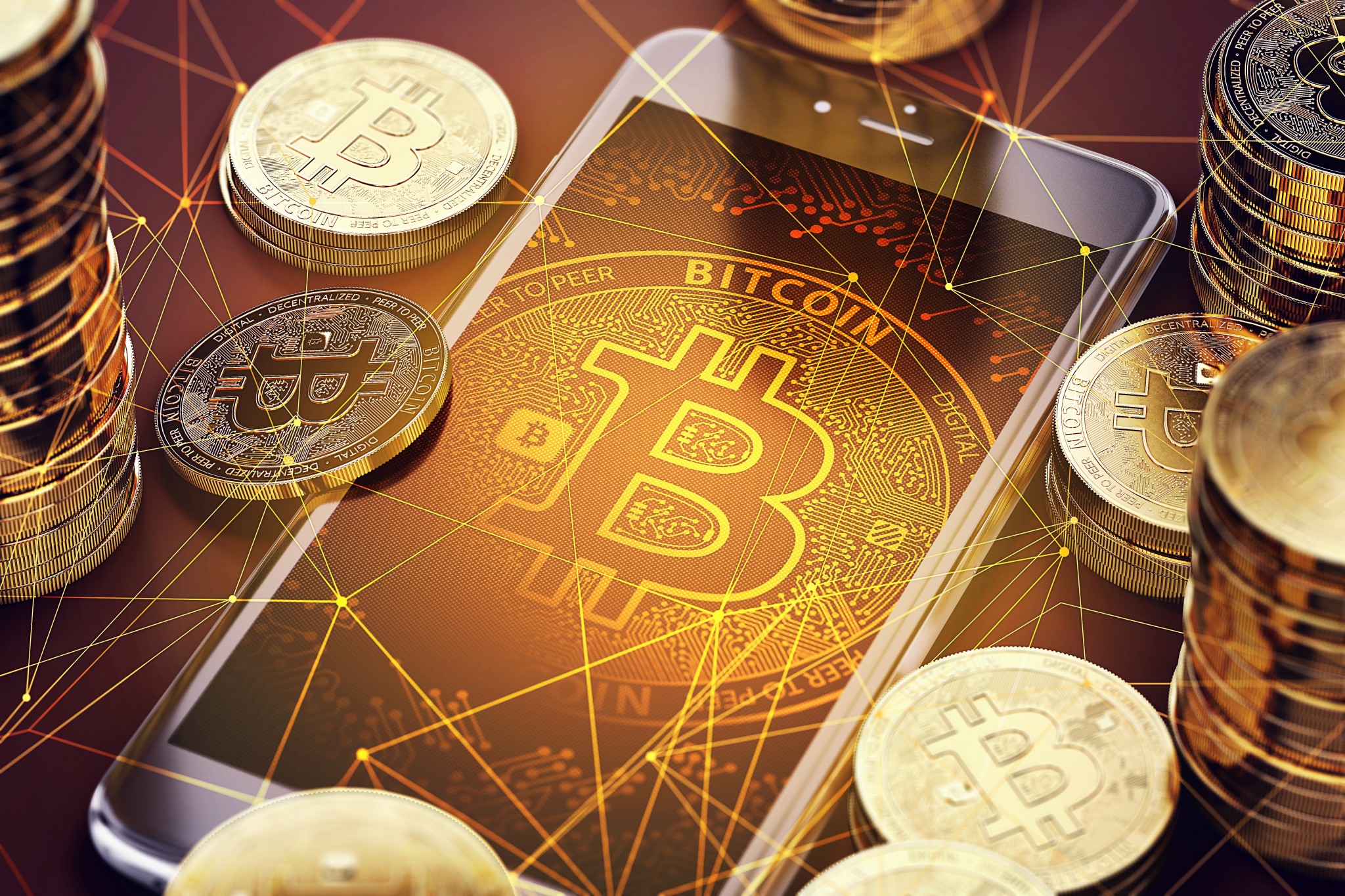
It’s much more typical for money these days to be fiat money: the government itself backs the value of money and promises to recognise that value should it come to a head. This is a more nebulous source of value, to be sure, but as long as everyone agrees on the value of cash, it all seems to work. This context is meant to instil the idea that any currency, including a currency that only exists virtually in the form of ones and zeroes just like any other data on a computer, is valuable because people think it’s valuable. One bitcoin can be sold for about £3,000 because there are both buyers and sellers willing to transact at that price. Some companies that accept cash may choose also to accept a cryptocurrency. (Cryptocurrencies, as we call this new crop of digital money, get some of their integrity from blockchain.)A forward-looking store may choose to accept nothing but a cryptocurrency. The currency in question may catch on, it may not, and its survival is completely wrapped up in the strength of its adoption. Some of the cryptocurrencies you hear about won’t be around in the future. Here’s your primer for the cocktail party: bitcoin is merely the highest profile cryptocurrency. But there are several including Monero, dash and ether. Look clever by clarifying that ether is the currency, while ethereum is the blockchain platform that ether is based on.